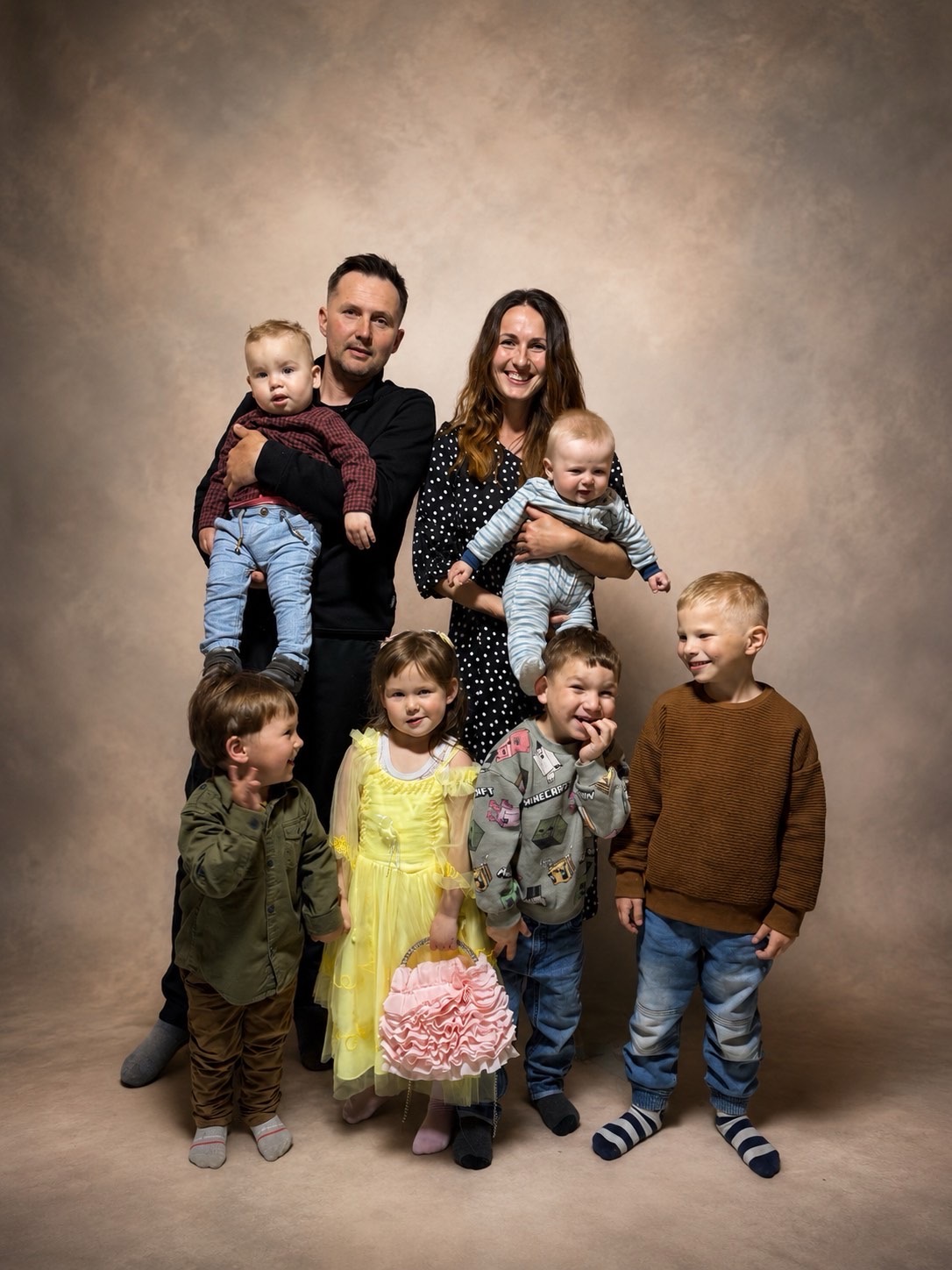
When a child has already lost so much, a bed is not enough. Food is not enough. Even safety, by itself, is not enough. Ukraine family homes for children matter because children who have lived through war, neglect, abandonment, or exploitation do not just need shelter. They need consistent love, trusted adults, daily structure, and the kind of belonging that helps a wounded heart start to heal.
That is the difference between housing a child and raising one.
What Ukraine family homes for children actually provide
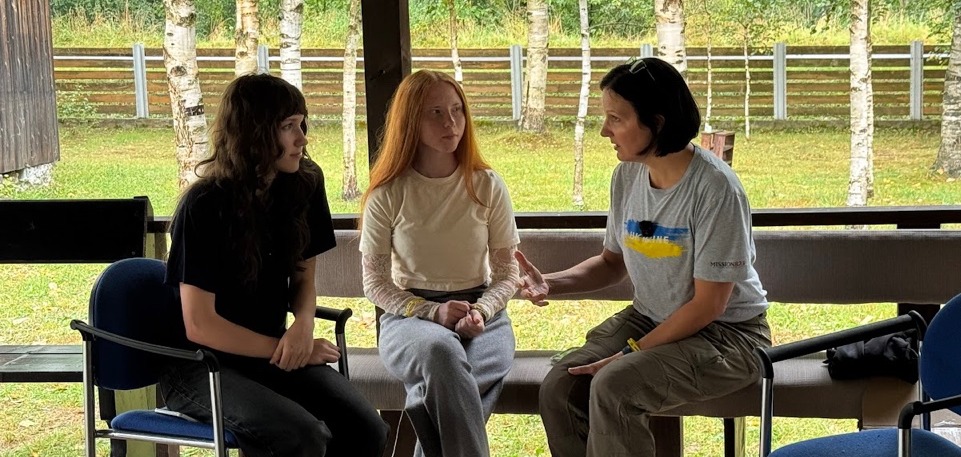
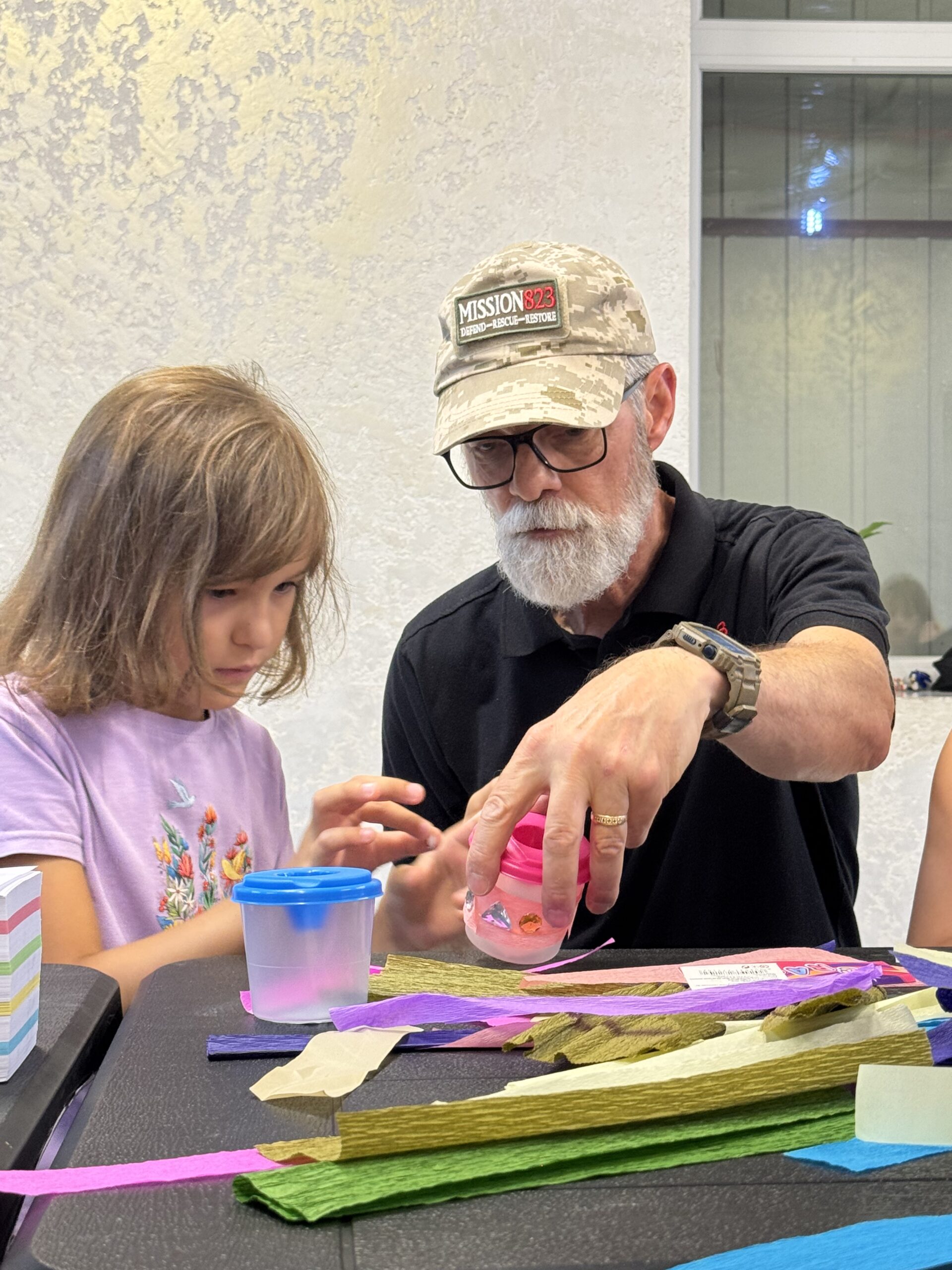
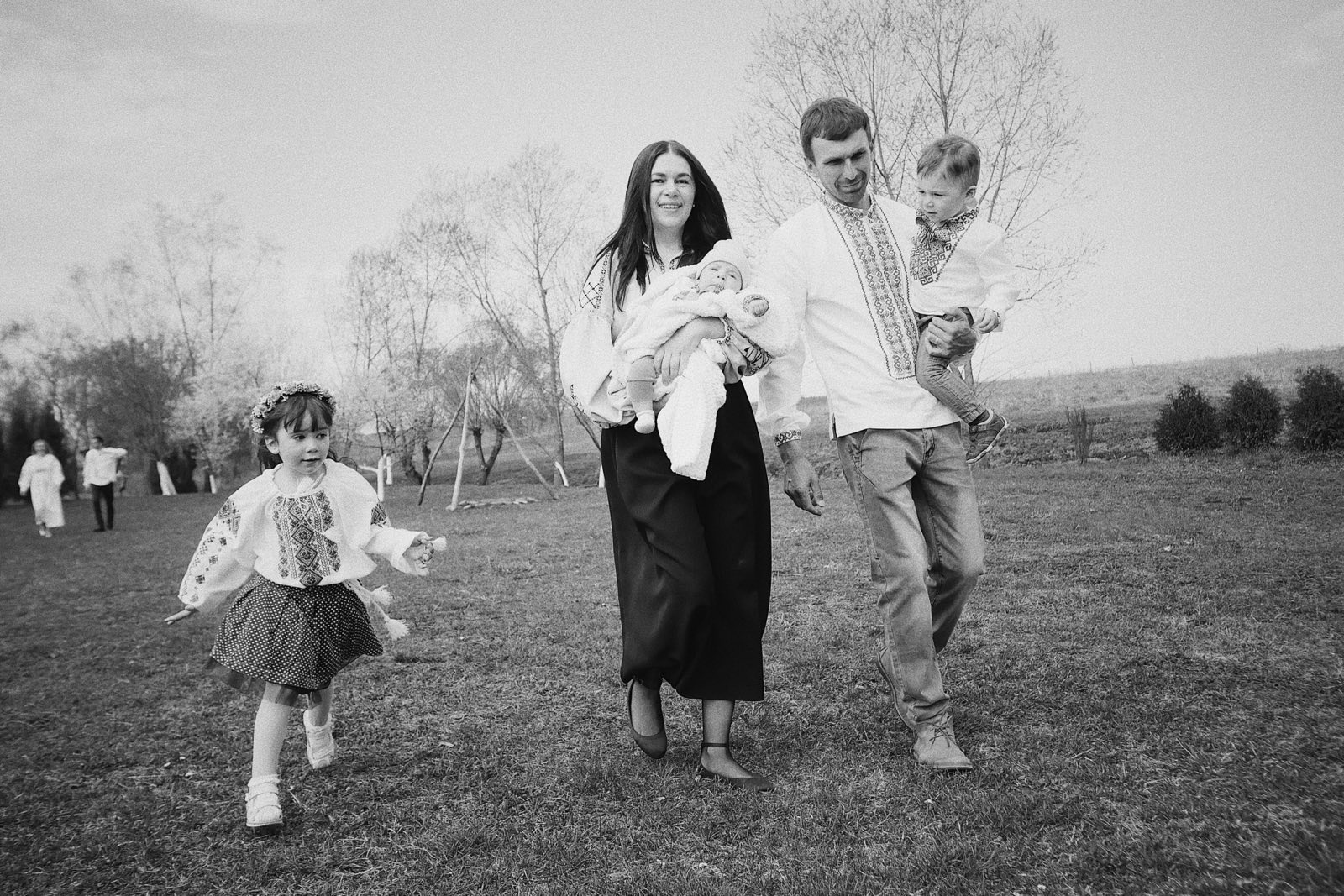
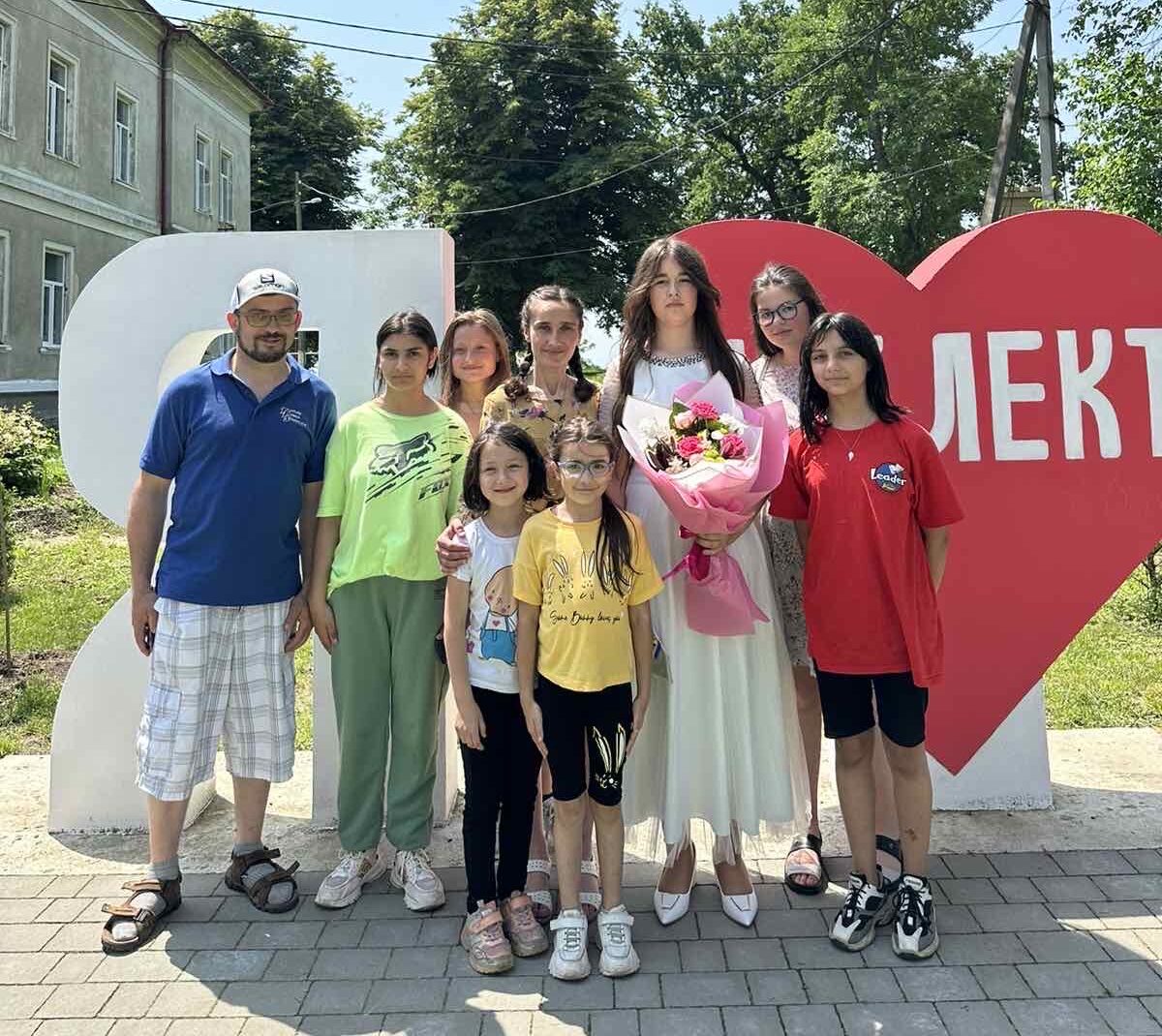
A family home is not meant to feel like an institution. It is built around relationship. Children live in a stable home environment with committed caregivers who provide daily care, guidance, discipline, prayer, comfort, and the routines that make life feel safe again.
For a child who has known chaos, those routines are not small things. Waking up in the same room, eating meals with the same people, going to school, being asked how your day was, and hearing the same adult say goodnight each evening begins to restore what trauma has torn apart. These ordinary moments become holy ground for healing.
In Ukraine, that need has become even more urgent. War has multiplied vulnerability. Families have been separated. Parents have been killed, injured, displaced, or pushed beyond what they can carry. Children who were already at risk before the conflict are now exposed to even greater danger, including trafficking, neglect, and long-term emotional trauma and PTSD.
That is why family-based care matters so much. It creates a place where children are known by name, not managed as numbers.
Why family-based care matters more during war
War changes childhood fast. A child can go from familiar routines to sirens, loss, relocation, and fear almost overnight. Some children have witnessed violence. Others have been uprooted again and again. Even when physical needs are met, the emotional toll can remain heavy for years.
In that kind of environment, large-scale care settings often struggle to provide the individual attention traumatized children need. Institutions may offer shelter and basic services, but they cannot always recreate the close, daily attachment that helps children rebuild trust. Family homes can.
That does not mean every challenge disappears in a family setting. Trauma still shows up. A child may withdraw, act out, hoard food, struggle in school, or resist affection. Healing is rarely quick, and it is never tidy. But a family home gives those struggles a place to be met with patience instead of punishment and with commitment instead of abandonment.
For many supporters in the US, this is where the issue becomes personal. We are not simply talking about aid distribution. We are talking about whether children in crisis will grow up in environments that help them flourish or environments that only help them survive.
Ukraine family homes for children and the path to healing
Children heal in relationships. That truth is simple, but it carries enormous weight.
A healthy family home offers more than meals, clothing, and school supplies. It offers emotional safety. It gives children caregivers who can recognize trauma responses, provide healthy boundaries, and model steady love over time. In faith-rooted settings, it can also offer spiritual grounding – the reminder that a child is not forgotten, disposable, or beyond hope.
This kind of care matters because trauma affects the whole child. It can impact sleep, learning, behavior, physical health, and the ability to trust others. So real restoration has to be holistic. It should include practical care, emotional support, community connection, and opportunities for joy.
That is one reason camps, mentoring, education support, and humanitarian outreach often work best when they surround family homes rather than replace them. A child’s healing deepens when care is consistent across different parts of life.
There is also an important trade-off to acknowledge. Family homes require more investment per child than a minimal shelter model. They need trained caregivers, safe housing, ongoing supplies, trauma-informed support, and long-term commitment. But when the goal is not only rescue but restoration, that investment reflects the true cost of helping a child rebuild a life.
What makes a strong family home model
Not every program that houses children delivers the same outcome. The strongest models are built on stability, accountability, and deep local partnership.
First, caregivers matter most. Children need adults who see this work as a calling, not just a job. The consistency of those relationships can shape whether a child learns to trust again.
Second, the home must be connected to the broader community. School access, medical care, trauma support, church relationships, and local oversight all strengthen a child’s environment. Isolation can weaken even well-meaning care.
Third, emergency relief and long-term care should work together. In Ukraine, urgent needs are real. Families need food, medicine, winter support, evacuation help, and crisis response. But if all support stays in emergency mode, vulnerable children can remain stuck in instability. Strong ministries respond to the immediate crisis while also building places of long-term refuge.
That combination matters because children do not experience life in neat categories. Hunger, grief, displacement, fear, and family breakdown often overlap. Effective care has to meet children where those realities intersect.
Why this work calls for more than sympathy
Most people do not need to be convinced that vulnerable children deserve help. The deeper question is whether compassion will move close enough to become action.
It is easy to feel overwhelmed by the scale of need in Ukraine. It depends on what news has reached you, what causes already have your attention, and whether you have supported international work before. Some people worry their gift is too small to matter. Others want proof that support reaches real children in real places.
Those are fair questions.
But this is exactly why family-home ministry is so compelling. It turns compassion into something tangible. A donor is not giving to an abstract crisis. A church is not responding to a distant headline. They are helping provide a home, caregivers, meals, trauma support, education, and daily belonging for children who need all of it now.
For many families, business leaders, and churches, this kind of work also aligns with a deeper conviction. Scripture leaves little room for indifference toward the vulnerable. To defend children at risk, to stand against exploitation, and to help restore what trauma has broken is not extra credit for the church. It is part of faithful obedience.
That moral clarity matters, especially when the need is prolonged. Crises that last for years can fade from public attention. Children do not have that luxury. They are still growing, grieving, learning, and trying to understand whether the world is safe. Their need for family, protection, and hope does not pause because headlines move on.
How supporters can strengthen family homes in Ukraine
The most effective support is usually both practical and relational. Financial giving remains essential because homes need steady resources, not one-time bursts of attention. Monthly support is especially powerful because it helps sustain consistent care.
Churches can do more than take an offering. They can build ongoing partnerships, host fundraisers, pray with purpose, sponsor projects, and invite their communities into a visible mission that protects children and strengthens families.
Business leaders can step in with strategic generosity. Event sponsorships, corporate giving, matching gifts, and in-kind support can expand what is possible on the ground. Skilled volunteers also matter. Teachers, counselors, medical professionals, construction teams, ministry leaders, and camp workers can all play a role when service is organized wisely and in partnership with trusted local leadership.
Mission 823 exists in that space between urgent compassion and lasting action. Through family homes, crisis response, outreach, and direct support for vulnerable children and families in Ukraine, the work becomes personal, measurable, and deeply human.
The most meaningful response is not to ask whether one person can fix everything. It is to ask what faithfulness looks like right now. For some, that means giving. For others, it means rallying a church, hosting an event, joining a trip, or using professional skills in service of children who need safety and hope.
A child who has known fear should also know what it means to be welcomed, protected, and loved. That future does not happen by accident. It is built, prayer by prayer and act by act, by people willing to stand in the gap. #iam823 #theyrejustkids #kidswithptsd #helpukraineskids