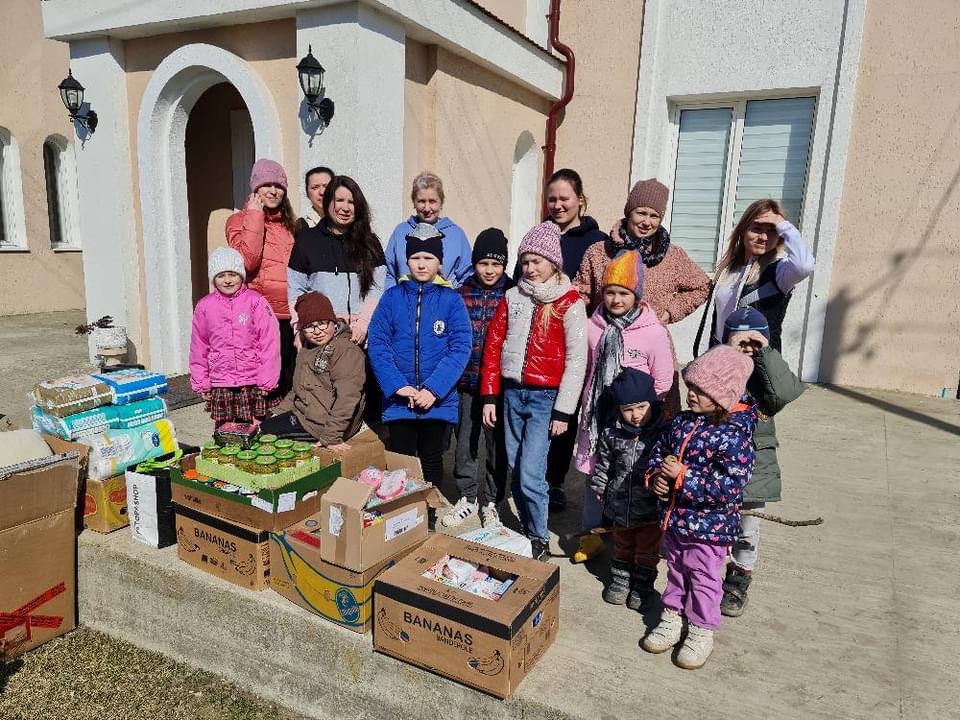
Healthy families can bring healing that runs deeper and results in permanent life change. A child can survive a crisis and still carry it into every ordinary moment. A slammed door may feel like danger. A simple question may bring silence. Bedtime may be the hardest part of the day. This is why understanding how family homes restore children matters: healing is not delivered in one dramatic moment. It is built, patiently and faithfully, through safe relationships and a place a child can finally call home.
For children who have experienced neglect, abandonment, displacement, violence, or the upheaval of war, shelter alone is not enough. They need adults who remain present, meals that arrive consistently, boundaries that protect without shaming, and the repeated assurance that they are not forgotten. A family home makes that kind of restoration possible.
A Home Gives Safety a Daily Shape
Trauma teaches children that the world can change without warning. The adults they depended on may have disappeared. Their routines may have been shattered. Even after immediate danger has passed, their bodies and minds can remain on alert.
A family home begins to answer that fear with consistency. Children wake up in the same place. They know who will help them get ready for school, sit with them at dinner, and say goodnight. They learn what to expect when they make a mistake. Instead of rejection or chaos, they encounter correction paired with care.
These details can seem ordinary to someone raised in a stable family. For a traumatized child, they can be life-changing. Predictable rhythms help rebuild a sense of safety. Safety creates room for trust. And trust is where deeper healing can begin.
This does not mean every day is calm or easy. Children who have learned to protect themselves through anger, withdrawal, control, or dishonesty may test the very adults trying to care for them. A family home is not a quick fix. It is a long-term commitment to meet fear with patience and truth.
How Family Homes Restore Children Through Belonging
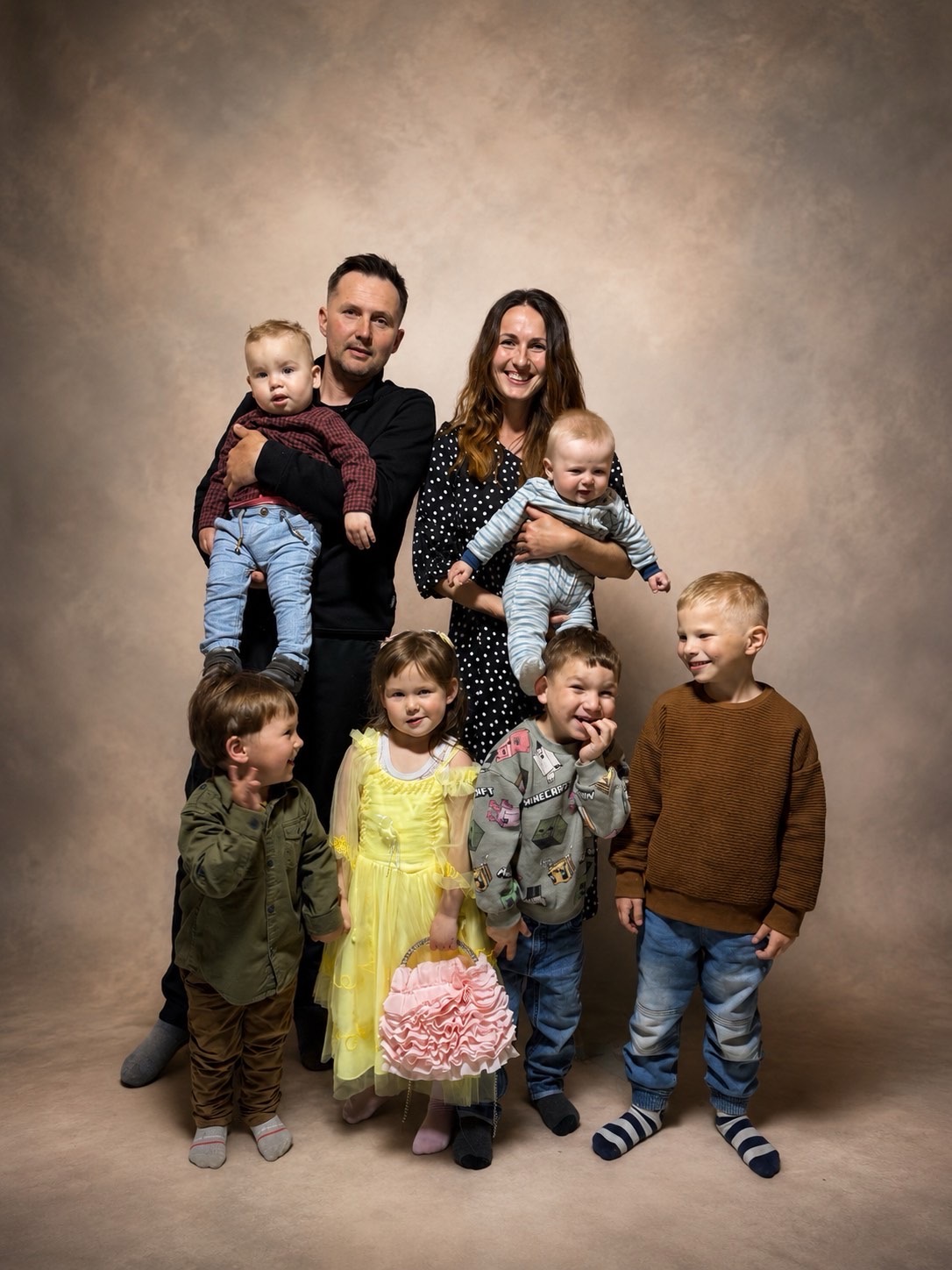
Institutional care can meet basic needs, but children are not basic-needs projects. They need to know they belong to people, not simply to a program. In a healthy family home, a child is known by name, personality, history, strengths, and struggles.
Belonging shows up in small, powerful ways. It is someone remembering how a child likes their tea. It is a caregiver noticing a difficult anniversary. It is being included in holiday traditions, family conversations, chores, laughter, and plans for the future. These moments tell a child, again and again: You have a place here.
That message is especially vital for children who have been treated as disposable or invisible. When a child has been moved repeatedly, neglected, or left without dependable care, it can feel safer not to attach to anyone. Real belonging gently challenges that belief. It gives children the chance to receive love without having to earn it.
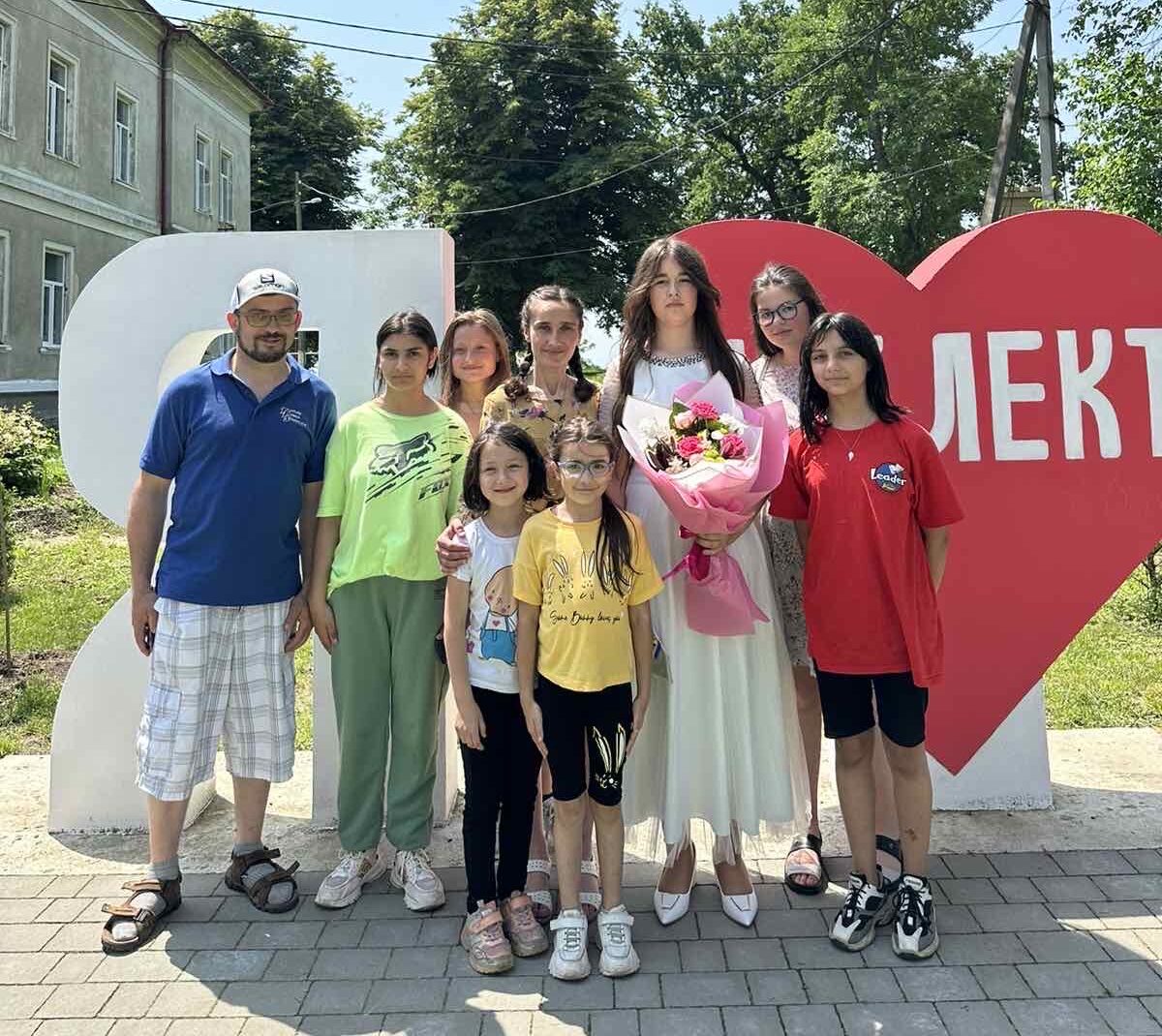
A family home also allows siblings to remain connected whenever possible. Separation can add another layer of grief to a child already carrying loss. Preserving meaningful relationships and creating new healthy ones helps children understand that family can be a source of protection rather than pain.
Healing Requires More Than a Roof
A home provides the setting for restoration, but children often need additional support to process what they have endured. Trauma-informed care recognizes that difficult behavior may be communication. A child who refuses help may have learned that adults are unsafe. A child who hoards food may be responding to past hunger. A child who lashes out may not yet have words for grief, fear, or shame.
Caregivers must respond with wisdom. Loving a child does not mean removing every boundary. In fact, clear and consistent boundaries can help a child feel more secure. The difference is that discipline is not used to humiliate, threaten, or abandon. It teaches, protects, and keeps the relationship intact.
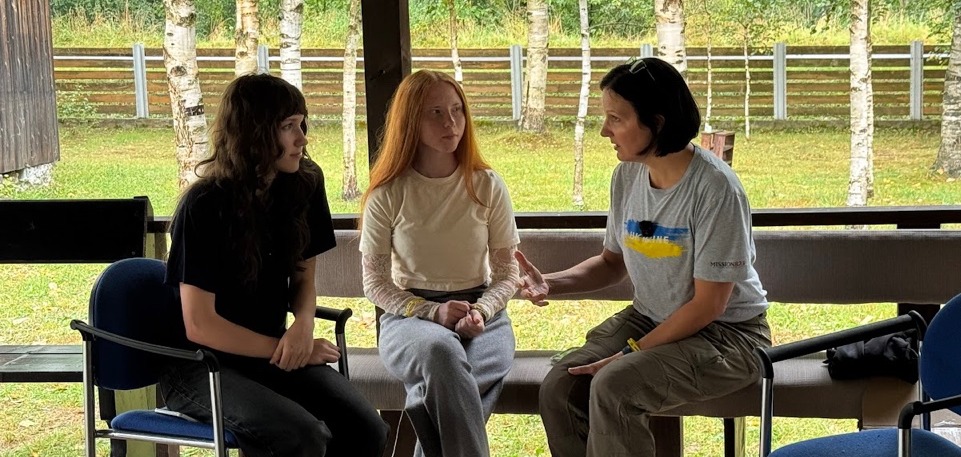
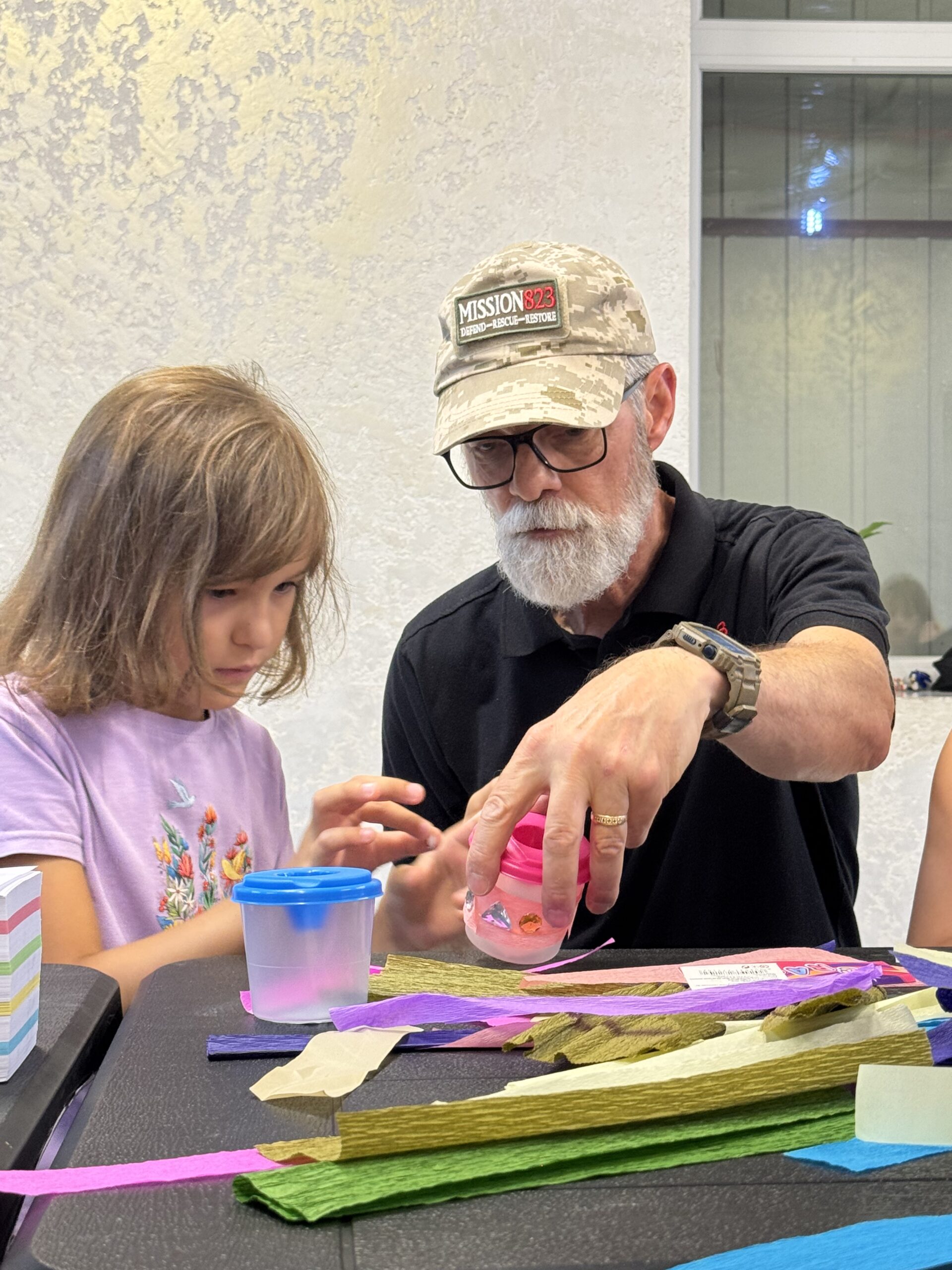
Depending on each child’s needs, restoration may also include counseling, medical care, educational support, mentoring, and opportunities for healthy play. Youth camps and trusted community experiences can be especially meaningful. They give children a chance to form friendships, discover abilities, and experience joy without having to hide their story.
Faith also has a place in healing when it is offered with gentleness and lived out through faithful care. Children who have been wounded by people often need time before they can understand a loving Father. Consistent compassion, prayer, honest conversations, and the witness of adults who keep showing up can help make hope believable again.
Caregivers Become the Steady Presence Children Need
The strength of a family home depends greatly on the people within it. Caregivers carry a demanding calling. They are asked to see beyond behavior, make room for grief, maintain structure, advocate for each child, and keep loving through setbacks.
That work requires support. Caregivers need training, rest, prayer, practical resources, and a community that understands the weight of their responsibility. When they are supported well, they are better able to offer children the calm, dependable presence trauma has often stolen from them.
This is one reason long-term partnership matters so much. A child’s healing cannot be measured only by a single emergency response or one month of care. Restoration takes time. A stable home needs food, clothing, school supplies, utilities, transportation, medical attention, and staff who are equipped to provide wise care year after year.
Mission 823 works alongside a Ukrainian team committed to this long view of care. The goal is not merely to help a child get through a crisis. It is to help vulnerable children grow in safety, dignity, faith, and practical hope for the future.
What Restoration Can Look Like Over Time
Healing rarely follows a straight line. A child may make significant progress and then struggle again after a memory, a visit, a move, or a new season of uncertainty. That does not mean the care has failed. It means trauma is complex, and children need room to heal at a pace that honors their story.
Over time, restoration may look like a child sleeping peacefully after months of nightmares. It may look like returning to school, making a friend, asking for help, or learning to apologize after conflict. It may look like a teenager beginning to imagine a future that includes education, work, healthy relationships, and service to others.
The greatest changes are often quiet. A child who once expected abandonment begins to trust. A young person who believed they had no value begins to recognize gifts and purpose. A family home becomes a living answer to the lie that they are alone.
Why Supporters Are Part of the Home
For supporters in the United States, partnership is not distant charity. A monthly gift helps make ordinary life possible for children whose lives have been anything but ordinary. It can help provide the groceries around a family table, the warm bed at night, the counseling appointment, the school materials, and the patient care that cannot be rushed.
Churches, businesses, families, and individuals can also strengthen this work by praying, hosting a fundraiser, sharing the need with others, or serving through practical partnership. The most meaningful support is faithful support – the kind that stays when headlines change and healing takes longer than expected.
Children who have faced loss and trauma deserve more than survival. They deserve adults who defend them, homes where they are safe, and a future shaped by hope rather than fear. When we choose to stand with family homes, we help make that future possible, one faithful day at a time.