A child can have a bed, meals, clothing, and a school to attend – yet still go to sleep without the steady comfort of being known by a parent. That is the heart of the conversation about family homes versus orphanages. This is not simply a question of buildings or budgets. It is a question of belonging, attachment, healing, and what vulnerable children need to grow into secure adults.
For children affected by neglect, displacement, poverty, war, or loss, care must do more than meet immediate needs. It must create a place where a child is seen, protected, guided, and loved over time. Family-based care seeks to provide that kind of daily relationship. Families are a creation of God for the care and nurture of children. Institutions are our weak and insufficient response. When families are healthy, children are healthy, happy and safe.
What the Difference Means in a Child’s Daily Life
An orphanage, often called a residential institution, generally cares for many children within a structured setting. Staff may work shifts, children may be grouped by age, and routines are designed to serve a large number of residents. Some institutions are staffed by deeply committed people working under difficult conditions. Their care and sacrifice should not be dismissed.
But even a well-intentioned institution can struggle to give every child the consistent, personal attention a family provides. When caregivers rotate, children may not have one dependable adult who knows their fears, notices subtle changes in behavior, remembers a favorite food, or stays close through a difficult season.
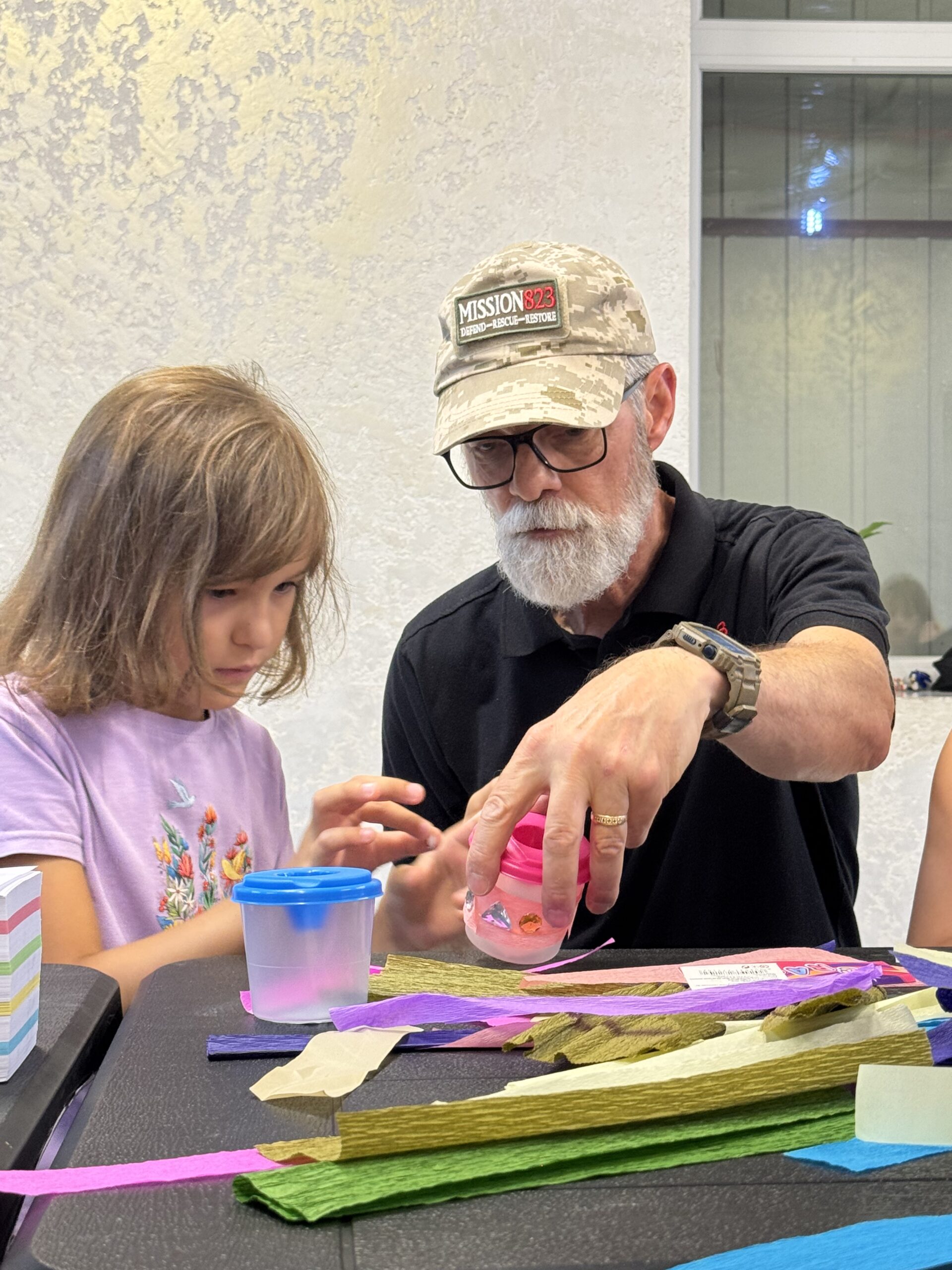
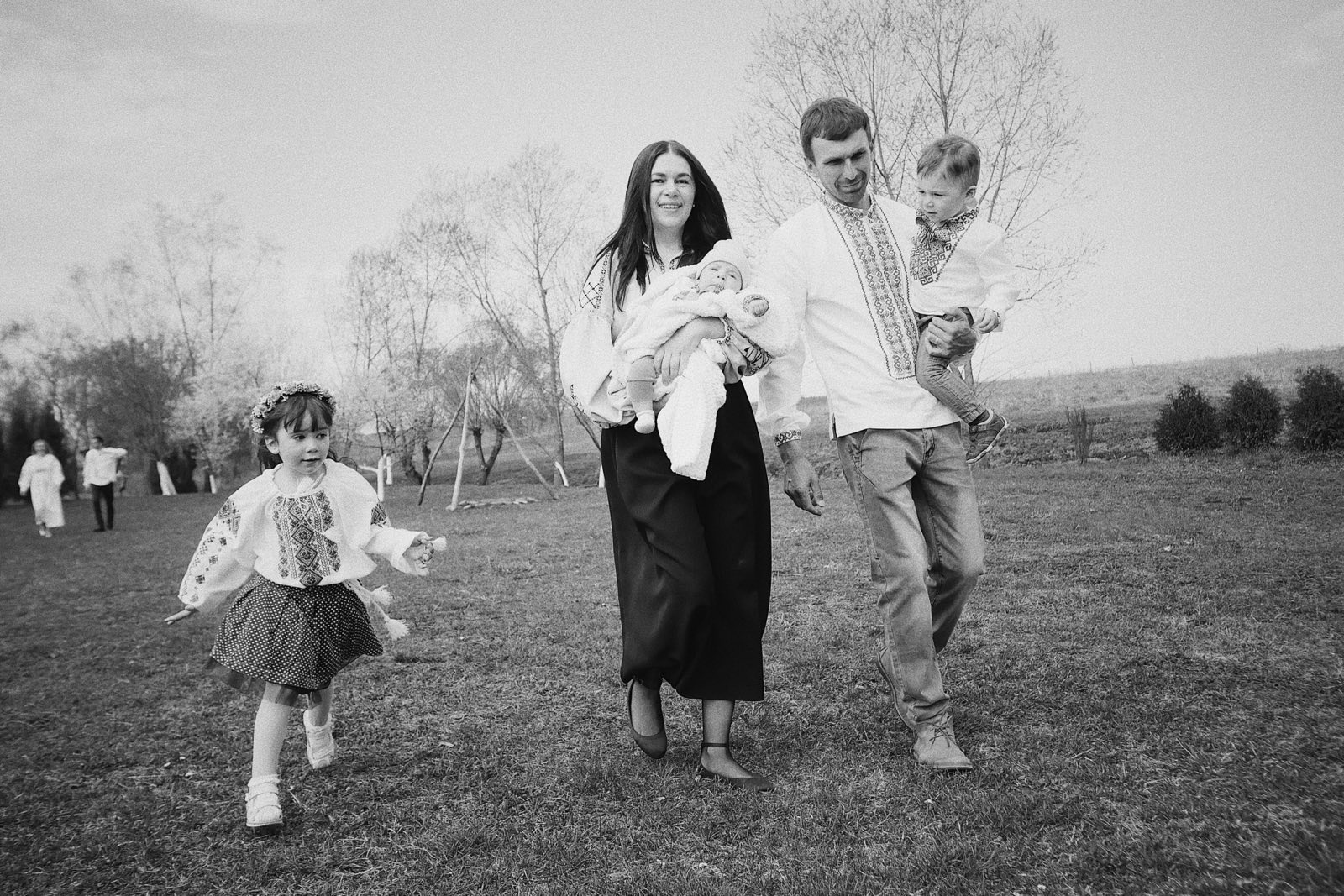
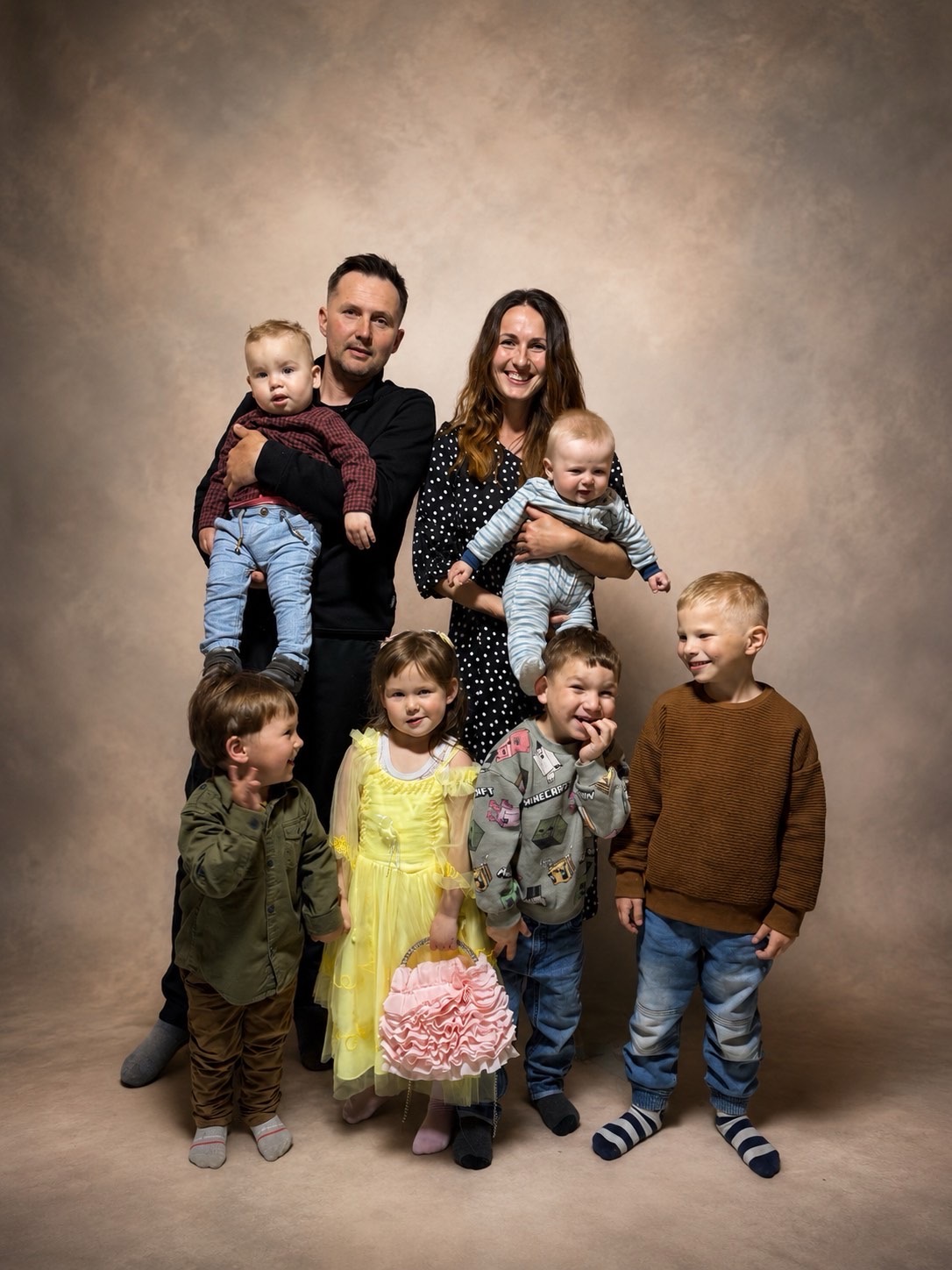
A family home is different in scale and purpose. A small number of children live with consistent caregivers in a home environment. They share meals, participate in household routines, celebrate birthdays, attend school, learn responsibility, and experience the ordinary moments that quietly build trust. The goal is not merely supervision. It is relationship.
For a child who has learned that adults may disappear, hurt them, or fail to protect them, that consistency can be profoundly healing.
Family Homes Versus Orphanages: Why Relationships Matter
Children do not recover from trauma simply because they have entered a safer location. Trauma can shape how a child responds to correction, handles conflict, sleeps, learns, and receives love. A child may withdraw, become controlling, lash out, or seem unusually independent. These are often survival responses, not signs that a child is beyond help.
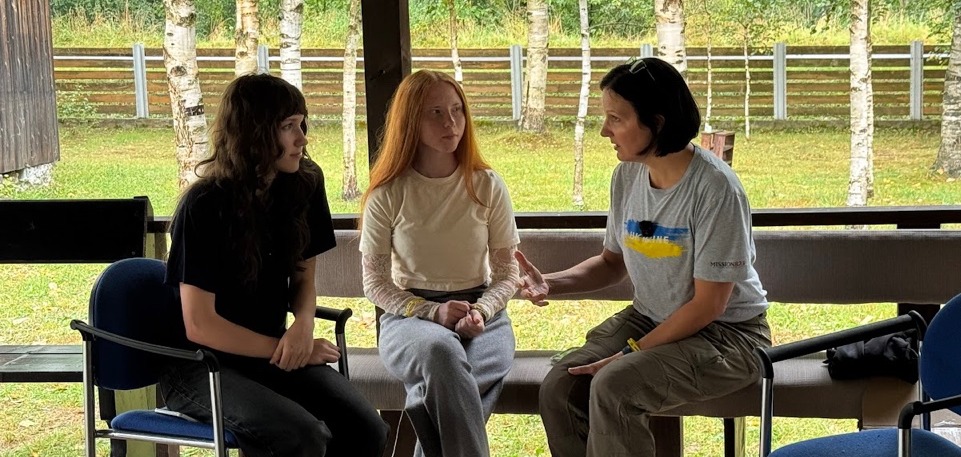
Healing usually requires patient adults who remain present. In a family home, caregivers have the opportunity to learn a child’s story and respond with calm, structure, affection, and appropriate support. Trust grows through repetition: a caregiver follows through on a promise, sits beside a child after a nightmare, helps with homework, and offers correction without rejection.
That does not mean family homes are easy or automatically successful. Caregivers need training, rest, accountability, trauma-informed support, and practical resources. Children with significant needs may also require counseling, medical care, educational help, or specialized services. Family-based care is not a shortcut. It is a long-term commitment to showing up.
The Goal Is Family, Not Just Placement
The best outcome for many vulnerable children is not placement in any alternative setting. It is safe restoration with their own family when possible. Sometimes a parent needs help securing housing, food, employment, addiction treatment, counseling, or protection from violence. Strengthening that family may prevent separation before it begins.
When reunification is not safe or possible, kinship care can be a strong option. A grandparent, aunt, older sibling, or trusted family friend may be able to offer continuity of culture, history, and identity. Foster care, adoption, and carefully supported family homes can also provide needed stability.
This is why the discussion should not become a simplistic argument that treats every child’s circumstances as identical. Children need individualized, ethical care plans that put their safety and long-term well-being first. Still, the central principle remains clear: children thrive when they can grow in committed relationships rather than being defined by institutional systems.
Why This Is Urgent for Children Affected by War
War magnifies every risk facing a child. Displacement can separate families. Financial crisis can push parents toward impossible choices. Grief, disrupted education, unsafe housing, and instability can leave children exposed to neglect, exploitation, and trafficking.
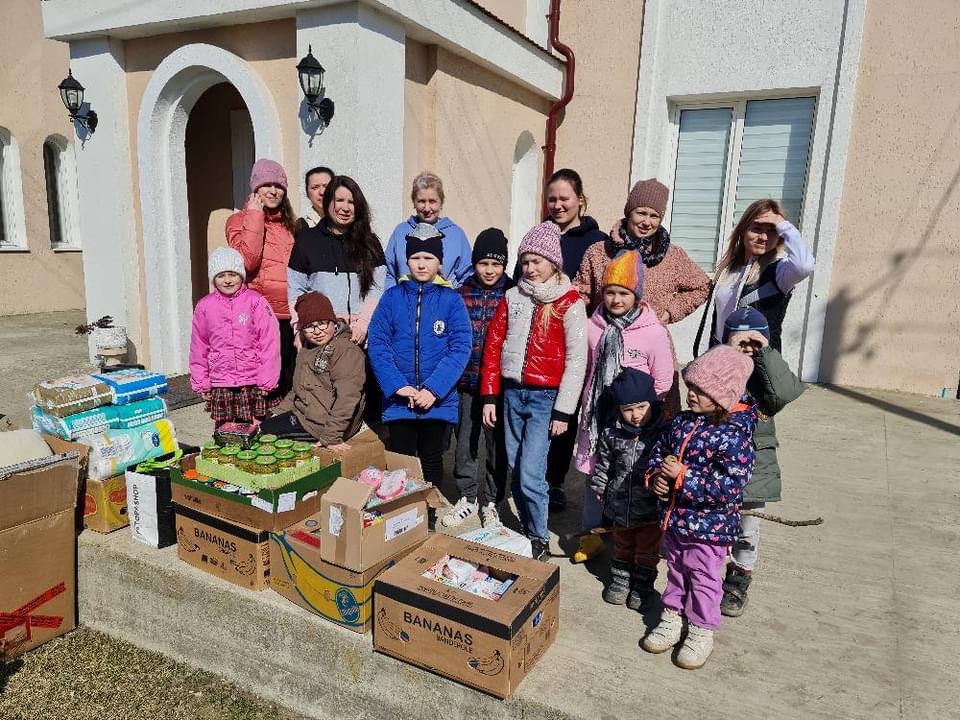
In these moments, a child needs more than emergency supplies, though food, medicine, heat, and shelter can be lifesaving. They also need trusted adults and a stable community around them. Family homes can offer a protective environment where children receive practical care alongside emotional and spiritual support.
For organizations serving children in Ukraine, this work demands careful local leadership and strong accountability. Supporting a child should never mean creating unnecessary separation from family or pursuing a solution that looks good from a distance but does not serve the child’s best interests. Effective care listens to local communities, works within appropriate legal structures, verifies needs, and remains committed for the long road ahead.
What Supporters Make Possible
A donor may see a monthly gift as one transaction. For a child, that support can become something deeply personal: a warm home, nutritious meals, school supplies, medical appointments, counseling, transportation, safe caregivers, and the dignity of a normal childhood.
It also helps sustain the adults who carry the daily responsibility of care. Family homes need stable funding for utilities, repairs, groceries, staff development, and crisis needs. Consistent support allows caregivers to focus less on surviving month to month and more on helping children heal and prepare for the future.
Mission 823 exists to defend, rescue, restore, and support vulnerable children and families through this kind of committed presence. The work is both urgent and personal. It calls for practical help, wise stewardship, and the conviction that no child should be forgotten because their needs are complex.
Churches, businesses, families, and individual supporters all have a place in this mission. Some give monthly. Some sponsor a project, organize a fundraiser, gather supplies, pray faithfully, or serve through hands-on partnership. Every meaningful response says to a child in crisis: you are not invisible, and your future is worth fighting for.
A Better Question Than “Where Can We Put Them?”
When children are in danger, adults understandably want a fast answer. But the more faithful question is not only, “Where can we put them?” It is, “Who will faithfully walk with them?”
A home becomes healing when it is filled with safe relationships, steady care, truth, patience, and hope. That is why family-based care matters. It gives children more than a place to live. It gives them the chance to belong, to recover what trauma tried to take, and to imagine a future shaped by love rather than loss.
The next child who needs protection cannot wait for someone else to act. Choose a practical way to stand with vulnerable children and families, and help make faithful, lasting care possible. Support a child or family today through Mission 823. Partner with us now.