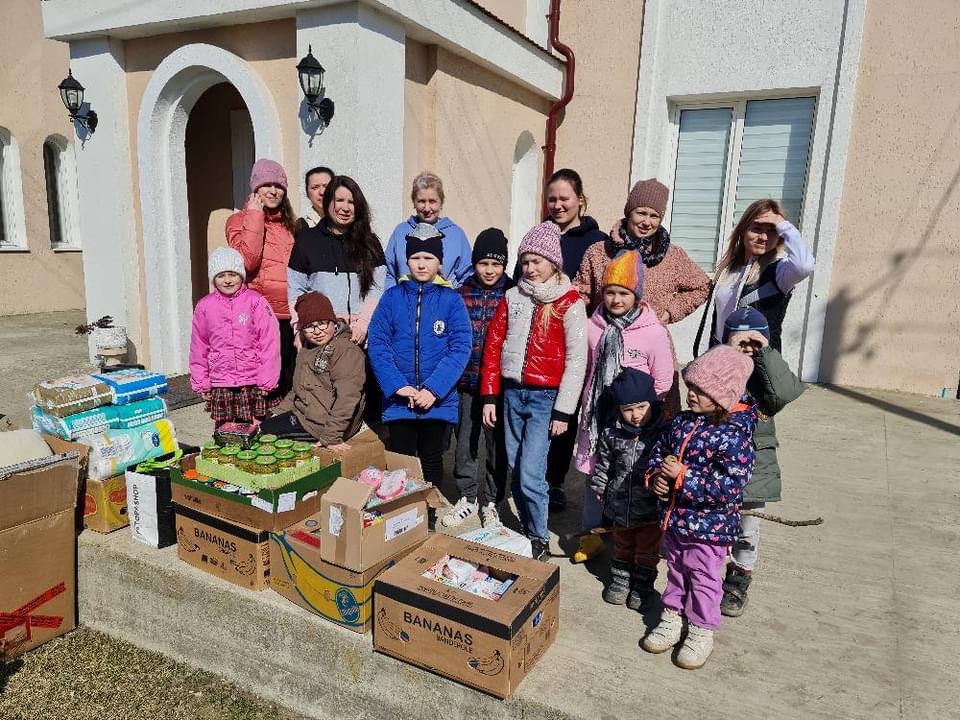
A child may arrive at camp smiling, quiet, energetic, or seemingly uninterested. None of those responses tells the whole story. For children affected by war, displacement, family separation, neglect, or exploitation, a camp can bring joy and also awaken fear. This guide for trauma responsive camps is for leaders, churches, volunteers, and supporters who want camp to be more than a fun week. It can become a place where a child is seen, protected, and reminded that hope is still possible.
A trauma-responsive camp does not require every counselor to become a therapist. It requires every adult to understand that behavior often carries a story. The goal is not to force children to “move on” from what happened. The goal is to create enough safety, consistency, and connection that healing can begin to take root.
Start With Safety Before Activities
Camp schedules often prioritize energy: games, songs, competitions, swimming, crafts, and late-night conversations. Those moments matter. But children carrying trauma need to know what will happen before they can fully enjoy it.
Begin each day with a clear, predictable rhythm. Explain where children will go, who will be with them, when meals will happen, and what comes next. Visual schedules, repeated reminders, and familiar routines can lower anxiety for children whose lives have been marked by sudden change. A counselor who says, “After lunch, we will rest for 30 minutes, then our group will go to the field together,” gives more than directions. They give a child a sense of steadiness.
Physical safety matters just as much. Use appropriate supervision ratios, clear boundaries around touch, safe transportation practices, private reporting channels, and thorough volunteer screening. Children who have experienced betrayal or violence need adults whose actions are dependable. Safeguarding is not an administrative detail. It is part of the ministry of protection.
Safety also includes emotional safety. Avoid public humiliation, harsh consequences, forced sharing, or singling out a child for being difficult. A child who refuses an activity, hides under a table, becomes angry over a small change, or cannot sit still may be communicating distress. Calm structure will serve that child better than shame ever can.
Build Choice Into the Camp Day
Trauma often includes a loss of control. Children may have had little say over where they lived, what they witnessed, or who made decisions for them. Healthy choices at camp can restore a small but meaningful sense of agency.
Choice does not mean no boundaries. It means offering safe options within a clear structure. A child can choose whether to draw, read, or sit quietly during a reflective activity. They can choose between two snack options, select a partner for a low-pressure game, or decide whether to share aloud or write privately. For some children, the choice to observe before participating is essential.
Be careful with activities that demand vulnerability. A prompt such as “Tell the group about the worst thing that happened to you” can expose a child before trust exists. Instead, offer gentler invitations: “What helps you feel peaceful?” “What is one thing you are good at?” or “Draw a place where you feel safe.” The child decides how much to reveal.
This is especially important in faith-centered settings. Prayer, worship, Scripture, and loving community can be deeply comforting. Yet children should never be pressured to perform a spiritual response, disclose painful experiences, or accept physical touch during prayer. Offer prayer with consent. Make room for quiet. Let faith be encountered through faithful presence, not coercion.
Train Counselors to See the Need Beneath Behavior
The most carefully planned camp can still be harmed by an unprepared adult. Before campers arrive, volunteers need practical training in trauma awareness, child protection, de-escalation, and reporting concerns.
Teach counselors to replace “What is wrong with this child?” with “What might this child need right now?” A child who is controlling may need predictability. A child who argues may be testing whether an adult will reject them. A child who appears detached may be protecting themselves from disappointment. These possibilities do not excuse harmful behavior, but they shape a wiser response.
When a child becomes overwhelmed, lower the intensity. Use a calm voice, few words, and simple choices. “You are safe. We can step outside together, or you can sit here with me.” Do not crowd the child, demand eye contact, or insist on an immediate explanation. Once they are regulated, address the behavior and help them repair any harm caused.
Counselors also need permission to ask for help. No volunteer should carry a serious disclosure alone. Establish a clear chain of response for concerns about abuse, self-harm, trafficking risk, violence, or unsafe living conditions. Know who documents the concern, who contacts guardians or authorities when required, and how the child will be supported afterward. Confidentiality means protecting a child’s privacy, not keeping dangerous secrets.
Use Connection, Not Performance, as the Measure of Success
A trauma-responsive camp is not measured only by attendance, photos, or how loudly children sing. A better question is whether children experienced trustworthy connection.
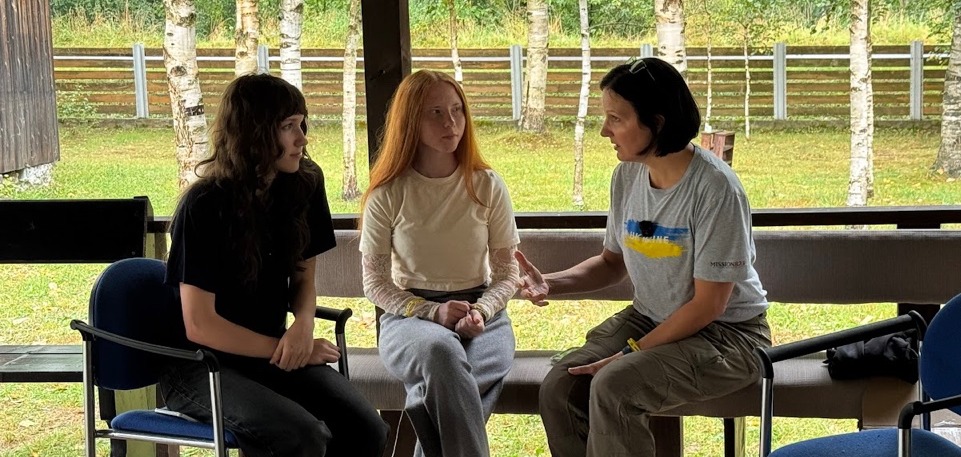
Small groups are often where this happens. Assign consistent counselors rather than rotating adults constantly. Learn each child’s name quickly. Notice their interests. Remember what they said yesterday. Sit beside the child who hangs back, without demanding conversation. Keep promises, especially small ones.
For children affected by instability, consistency can be powerful. If a counselor says they will meet a child at breakfast, they should be there. If a leader promises a quiet break later, they should follow through. Trust is built through ordinary faithfulness repeated over time.
Plan Activities That Regulate, Include, and Restore Joy
Fun is not a distraction from healing. Safe play helps children practice curiosity, cooperation, movement, and delight. The difference is in how activities are designed and led.
Avoid making competition the center of every event. Highly competitive games can be exciting for some children and deeply stressful for others, particularly those who fear failure, conflict, or public attention. Balance team challenges with cooperative games, art, music, nature walks, building projects, and low-pressure creative stations.
Offer quiet spaces throughout the day. A calm corner with books, coloring materials, sensory items, water, and a trusted adult can prevent escalation before it begins. This should not feel like punishment. Present it as an available place to reset, pray quietly, or take a breath.
Consider sensory needs as well. Loud music, whistles, crowded rooms, unexpected water games, and dark spaces can overwhelm children with trauma histories. You do not need to remove every stimulating activity, but give advance notice and provide alternatives. “The game will be loud. You can play, watch from the side, or help me keep score.” That simple invitation protects dignity.
Make Follow-Up Part of the Care
A meaningful camp week can stir up grief when it ends. Children may return to displacement, family stress, poverty, loss, or communities still shaped by the consequences of war. Camp leaders should not make promises they cannot keep, but they should plan for a responsible next step.
Where appropriate, connect children and families with local church support, trusted social workers, family programs, counselors, mentors, or ongoing youth gatherings. Record concerns carefully and securely. Debrief as a team after camp, noting what helped, where a child may need additional support, and what should change next time.
For organizations serving children in Ukraine, local leadership is essential. Ukrainian staff and partners understand language, culture, family realities, and the changing pressures children face. Outside volunteers can serve with humility, but care should strengthen local relationships rather than create a brief emotional experience that disappears when a team flies home.
Mission 823 has seen that urgent relief and long-term restoration belong together. A camp can offer a child a protected week, but enduring care requires committed local adults, stable programs, and supporters who stay involved after the closing ceremony.
A Faithful Response to a Child’s Story
Trauma-responsive camps ask more of leaders than enthusiasm. They ask for preparation, patience, accountability, and a willingness to see each child as more than a project or a program statistic. That work can feel demanding because it is. It is also holy work.
When a child discovers that an adult will not mock their fear, abandon them in their anger, or require them to earn belonging, something changes. They are given a living picture of faithful love. Build camp around that kind of presence, and every game, meal, prayer, and conversation can carry the quiet message a wounded child needs to hear: you are safe here, you matter, and you have not been forgotten. Learn more about how to make a difference in a Ukrainian child’s life HERE.