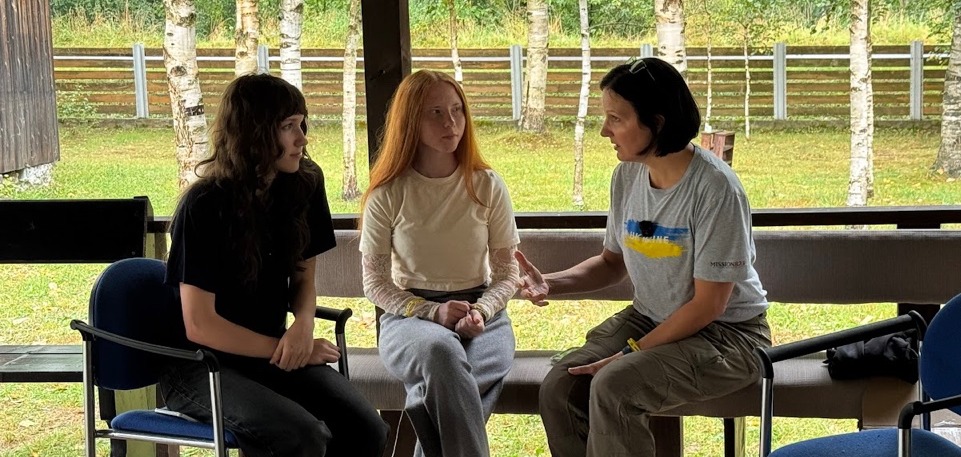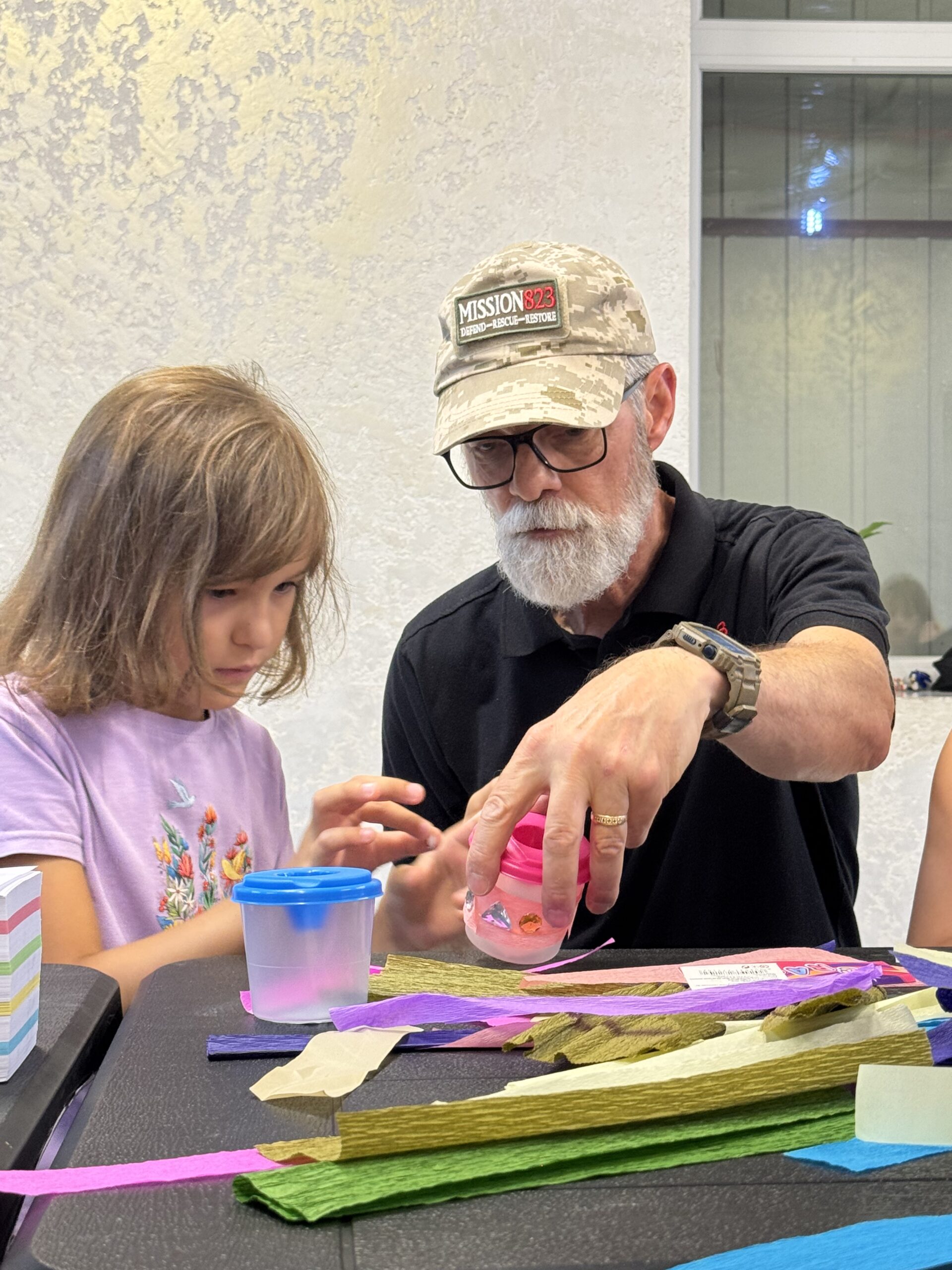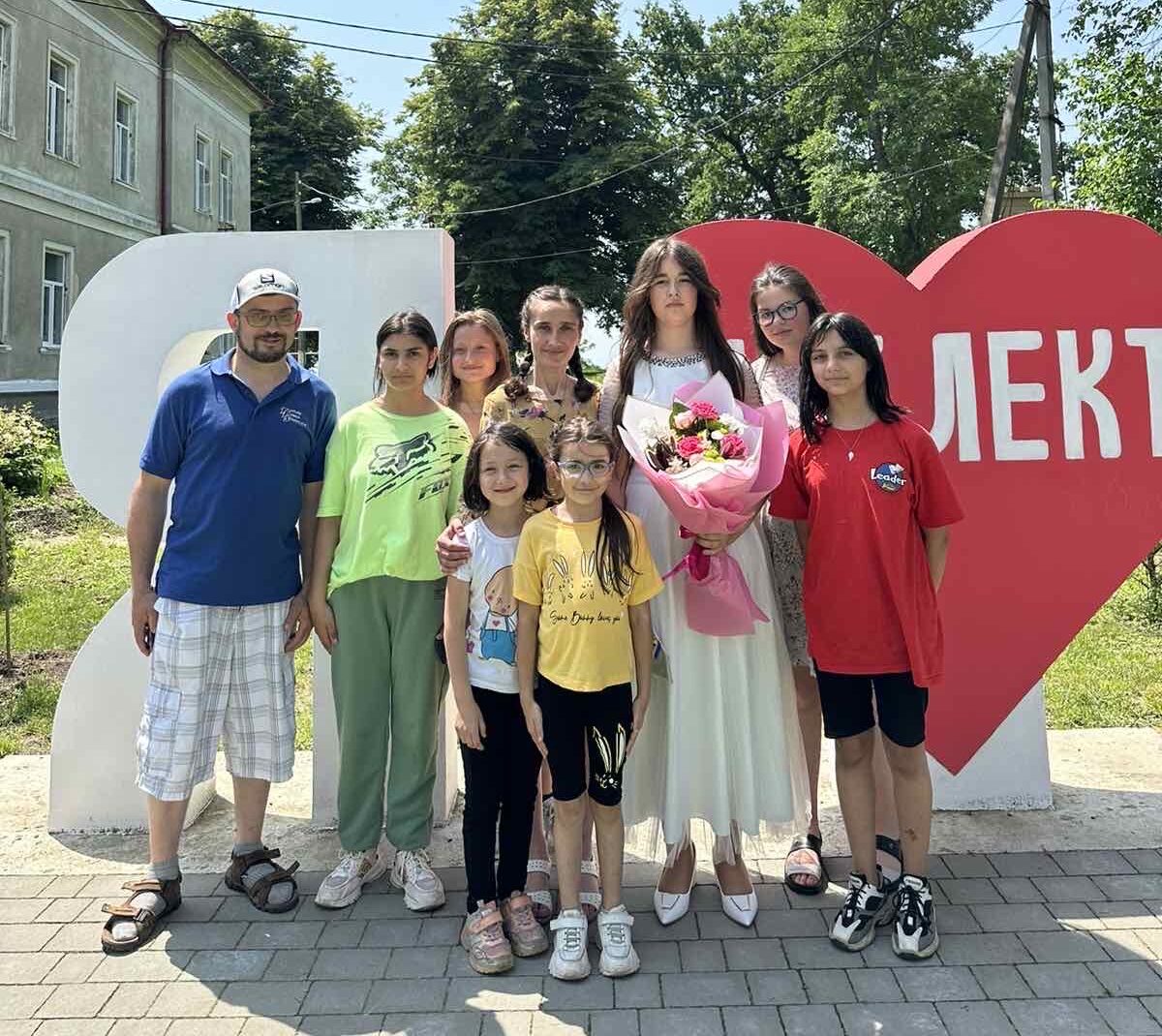
A church can send more than money into a war zone. It can send presence, protection, prayer, and practical help that reaches children and families when life has been torn apart. That is why church partnership for Ukraine relief matters so deeply right now. For many congregations, this is not about adding another mission project to the calendar. It is about stepping into a moral responsibility with courage and clarity. It is about demonstrating extraordinary compassion . . . the heart, mind and actions of Christ.
Ukraine’s crisis is not only a headline about conflict. It is a daily reality for traumatized children, displaced families, exhausted caregivers, and communities trying to survive repeated disruption. In that kind of environment, short-term compassion is not enough. People need food, shelter, transportation, trauma-informed care, and trusted local relationships. They also need churches outside Ukraine to stay engaged after the first wave of attention fades.
Why church partnership for Ukraine relief matters
Churches are uniquely positioned to respond because they already understand what it means to carry one another’s burdens. A healthy church partnership does not treat relief as a one-time offering or a seasonal campaign. It treats it as shared ministry. That shift matters because war creates both urgent needs and long recovery timelines. And the war in Ukraine is already in its 12th year.
A congregation can help fund humanitarian aid, support family homes for vulnerable children, provide resources for youth camps, and strengthen local ministries serving people under constant pressure. When a church partners in a consistent way, the impact becomes more stable. Families are not left wondering whether help will disappear next month. Children who have experienced fear, loss, and displacement begin to experience something many have gone without – reliable care.
There is also a spiritual dimension that churches should not ignore. Relief work is not separate from the gospel call to defend the vulnerable. Jesus ministered to the whole person, body , mind and soul. He was “moved with compassion” when he saw the physical and spiritual needs of the people. If a congregation wants its mission budget to reflect both compassion and conviction, Ukraine is one of the clearest places where that calling becomes visible.
What a real church partnership looks like
A meaningful partnership goes beyond writing a check, though financial giving is essential. The strongest church relationships are active, informed, and long-term. They create a bridge between a US congregation and trusted frontline organizations in Ukraine.
That can include monthly support for humanitarian response, special offerings for emergency needs, church-led fundraising events, and prayer commitments tied to real updates from the field. Some churches also send teams when appropriate, especially when they have members with skills in ministry, construction, medicine, teaching, logistics, or trauma care. Others mobilize their people through awareness Sundays, youth events, women’s gatherings, or men’s ministry projects focused on specific needs.
What makes the partnership effective is not how flashy it looks from the stage. It is whether the church is helping meet real needs in a way that strengthens trusted local work. A smaller church can do this faithfully just as much as a large one. In fact, some of the most committed partnerships come from congregations that simply decide not to look away.
The difference between relief and lasting impact
One challenge churches face is knowing whether they are supporting a short burst of aid or something deeper. Relief is necessary. In moments of displacement, power loss, injury, or supply disruption, immediate assistance can save lives. But if support ends there, children and families remain vulnerable to the next crisis.
That is why the best partnerships connect emergency response with longer-term restoration. A child who receives food today may still need safe housing, emotional support, education, and a stable community six months from now. A struggling family may need practical aid now and continued support to stay together and avoid deeper risk later.
For churches, this means asking better questions. Is this partnership helping protect children over time? Is it supporting family preservation where possible? Is it addressing trauma, not just material need? Is it working through people who know the language, culture, and realities on the ground? Those questions lead to wiser giving and a stronger witness.
How churches can discern the right Ukraine relief partner
Not every ministry model is the same, and churches should be thoughtful. A good partner should offer both urgency and accountability. That means the work is close enough to the crisis to respond quickly, but structured enough to steward support well.
Look for a ministry that can clearly explain how funds are used, who is being served, and what kind of ongoing presence exists in Ukraine. Churches should also care about whether children are being protected in ways that reduce exploitation risks. In war and displacement, trafficking and abuse threats often increase. Any ministry serving vulnerable youth should understand that reality and build protection into its response.
It also helps to find a partner whose values align with the church’s convictions. For many congregations, that includes a faith-rooted commitment to both practical service and spiritual care. There is room for different approaches, but alignment matters. A partnership works best when both sides see the mission in the same light.
Mission 823 serves in that space by connecting US churches and supporters to frontline churches and work that protects vulnerable children and families in Ukraine through relief, care, and long-term restoration.
Common concerns pastors and mission leaders face
Some church leaders hesitate because they do not want to overpromise to their congregation. That is a wise concern. A church should never present international ministry as simple. Ukraine is a complex environment, and needs can change quickly. But complexity is not a reason for inaction. It is a reason to partner carefully.
Others worry that international giving may pull focus from local ministry. Sometimes that tension is real, especially for churches with limited budgets. But this does not have to be an either-or decision. Many congregations find that global compassion strengthens local discipleship. When people see the church respond to suffering with courage, generosity, and prayer, it often deepens their commitment at home as well.
There is also the question of sustainability. What if the church can help now but cannot maintain a huge commitment long term? The answer is simple – start honestly. A modest monthly commitment, a yearly campaign, or a focused offering can still make a real difference. Partnership is not measured only by size. It is measured by faithfulness.
How to mobilize a congregation without making it feel distant
People respond when they understand that real lives are on the line. They also respond when they can see a clear path to action. If a pastor or missions team wants to lead well, the message should be direct. Children are at risk. Families are under strain. The church can help.
That does not mean using emotion carelessly. It means telling the truth with compassion. Share what war does to children. Explain why displacement increases vulnerability. Help the church see that relief is not abstract. It may mean heat in winter, medicine during crisis, transportation to safety, or a stable home for a child who has already endured too much.
Then make the response concrete. Invite the congregation to give, pray, host an event, or explore a partnership commitment. If the church has business leaders, ask them to sponsor a campaign. If there are skilled volunteers, help them consider how their gifts could serve. When people know what to do next, they are far more likely to engage.
Church partnership for Ukraine relief is ministry, not charity
That distinction matters. Charity can stay at arm’s length. Ministry moves closer. It bears names, stories, burdens, and prayer requests. It keeps showing up. For a church, that kind of partnership becomes more than an outreach strategy. It becomes part of the congregation’s shared obedience. Mission 823 can add that value to the church family by becoming a trua mutual partner in the work.
And there is a quiet strength in that. While the world moves on to the next crisis, the church can remain steady. It can protect children who feel forgotten. It can support families fighting to stay together. It can stand with trusted servants on the ground who need partners, not spectators.
If your church has been asking where your missions effort can meet both urgent need and lasting impact, this is a place to respond with conviction. Not because it is easy, and not because every partnership looks the same, but because vulnerable children and families in Ukraine still need the body of Christ to act like the body of Christ. The next faithful step may be smaller than you imagined, but taken seriously, it can carry hope farther than you know.