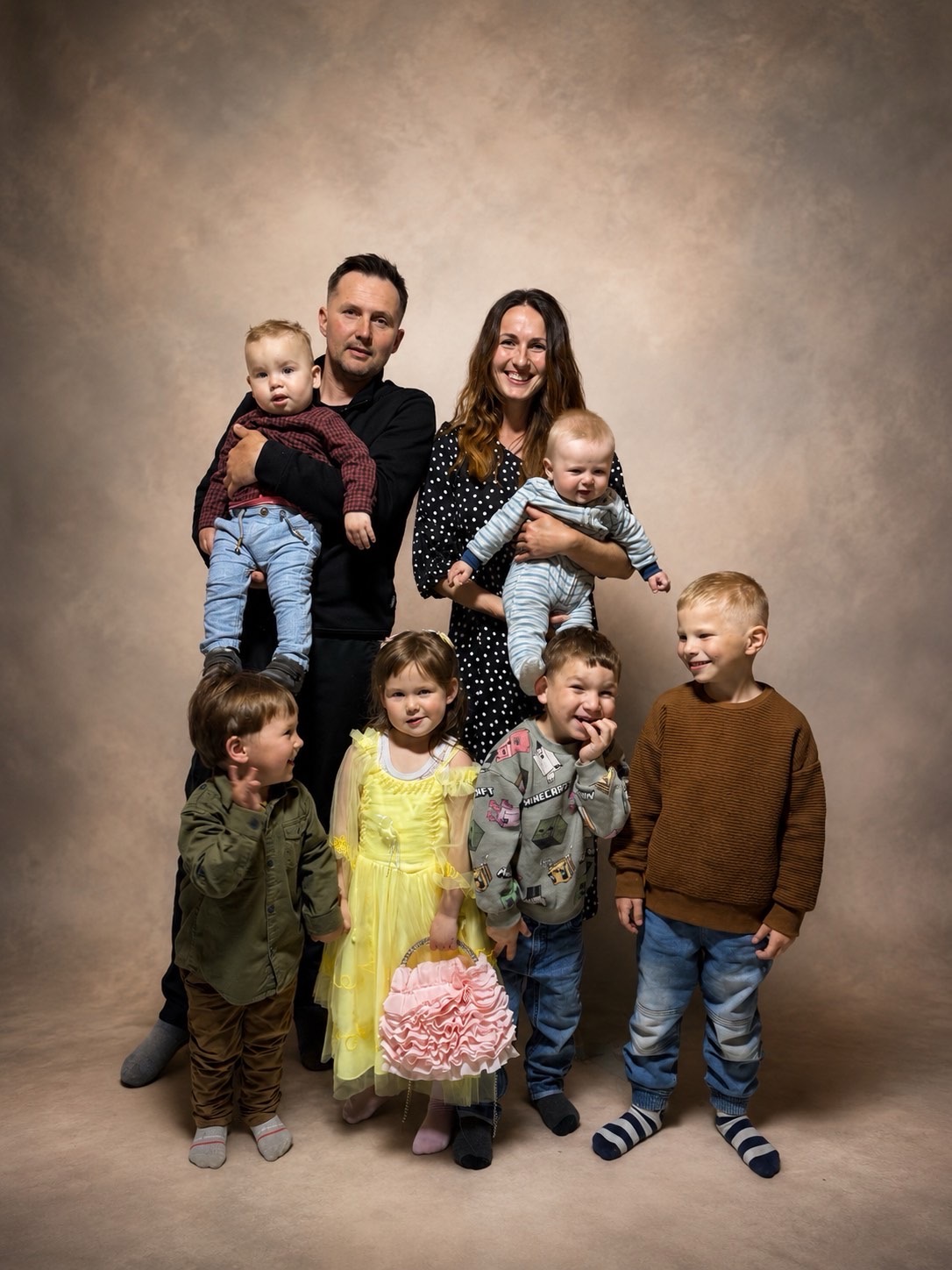
A child can lose more than a home in war. They can lose routine, trust, sleep, friendships, and the simple belief that tomorrow will be safe. That is why youth camps in Ukraine are not a side project or a seasonal extra. For many children, they are one of the few places left where healing can begin.
When American supporters hear the word camp, they may picture games, songs, and summer memories. Those things matter, but in Ukraine the need runs deeper. A well-run camp can create a protected environment where children breathe again, laugh again, and start to believe that adults can be trusted. For children carrying trauma, displacement, neglect, or the ongoing stress of war, that kind of space is not small. It is life-giving.
What youth camps in Ukraine really provide
At their best, camps offer far more than recreation. They give structure to children whose lives have been interrupted. They place caring adults around youth who may have experienced loss, abandonment, or violence. They restore normal rhythms – meals, play, worship, conversation, rest – that trauma often tears apart.
That matters because trauma is not only emotional. It affects the body, behavior, and relationships. A child who has lived through shelling, sudden relocation, family separation, or chronic fear may struggle to regulate emotions or feel safe in a group. In that context, camp becomes a place of steady presence. The schedule is predictable. The adults are attentive. The child is seen.
Faith-based camps can also speak to a different kind of need. Children and teens ask hard questions in crisis. Why did this happen? Does anyone care? Is God still near? A Christ-centered camp does not erase pain, but it can offer prayer, truth, worship, and compassionate mentorship in the middle of it. For many families, that spiritual grounding is part of real restoration.
Why this work matters in wartime
War changes the purpose of camp. In peaceful settings, camp often exists to develop confidence, friendships, and character. In Ukraine, those goals still matter, but they sit alongside urgent protective needs.
Children who are displaced or destabilized are more vulnerable to exploitation. When families are under financial pressure, housing is uncertain, and communities are fractured, predators look for openings. Isolation makes children easier to target. Despair makes false promises sound believable. Safe youth programming helps close those gaps by surrounding children with trusted adults, community oversight, and consistent care.
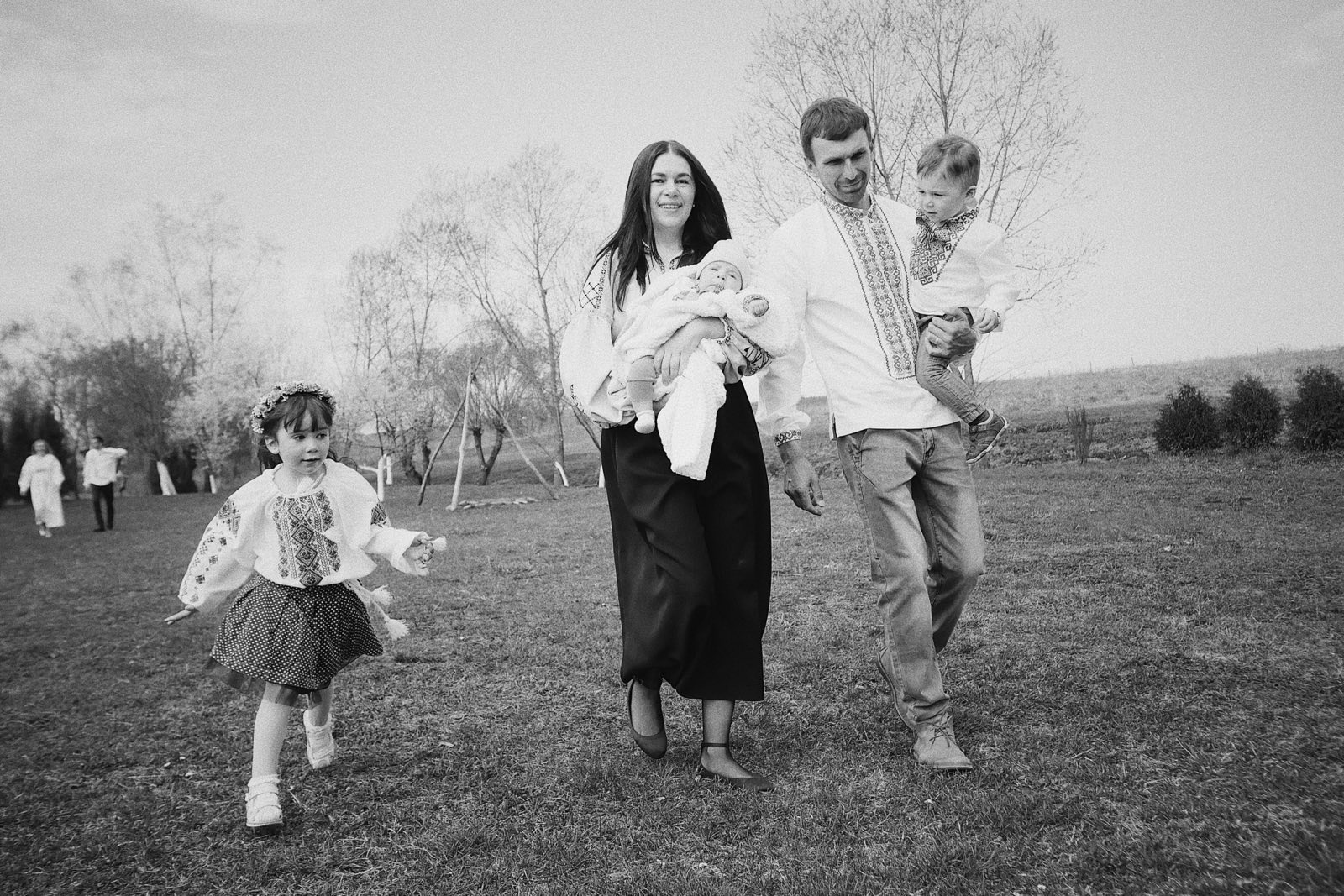
There is also the weight carried by parents and caregivers. Many are trying to hold families together while facing grief, economic hardship, and exhaustion. A camp that receives children well can become support for the whole family. It gives parents breathing room. It reminds them they are not alone. It helps children return home encouraged rather than further shut down.
Still, not every camp model fits every need. Some children need high-energy group experiences. Others need smaller settings and gentler pacing because loud environments can trigger anxiety. Some teens need leadership opportunities and honest conversation. Younger children may need play, affection, and very clear routines. Effective camps in Ukraine have to respond to those differences rather than forcing every child into the same mold.
Healing is built through relationships, not just activities
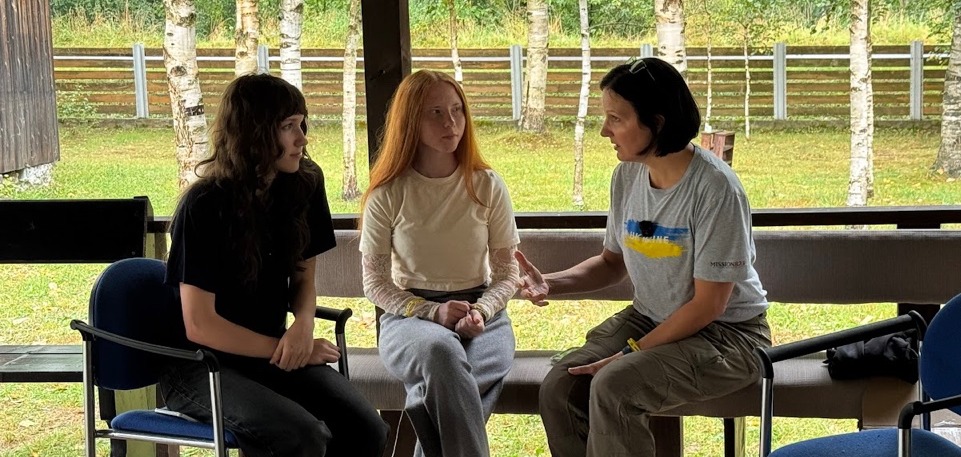
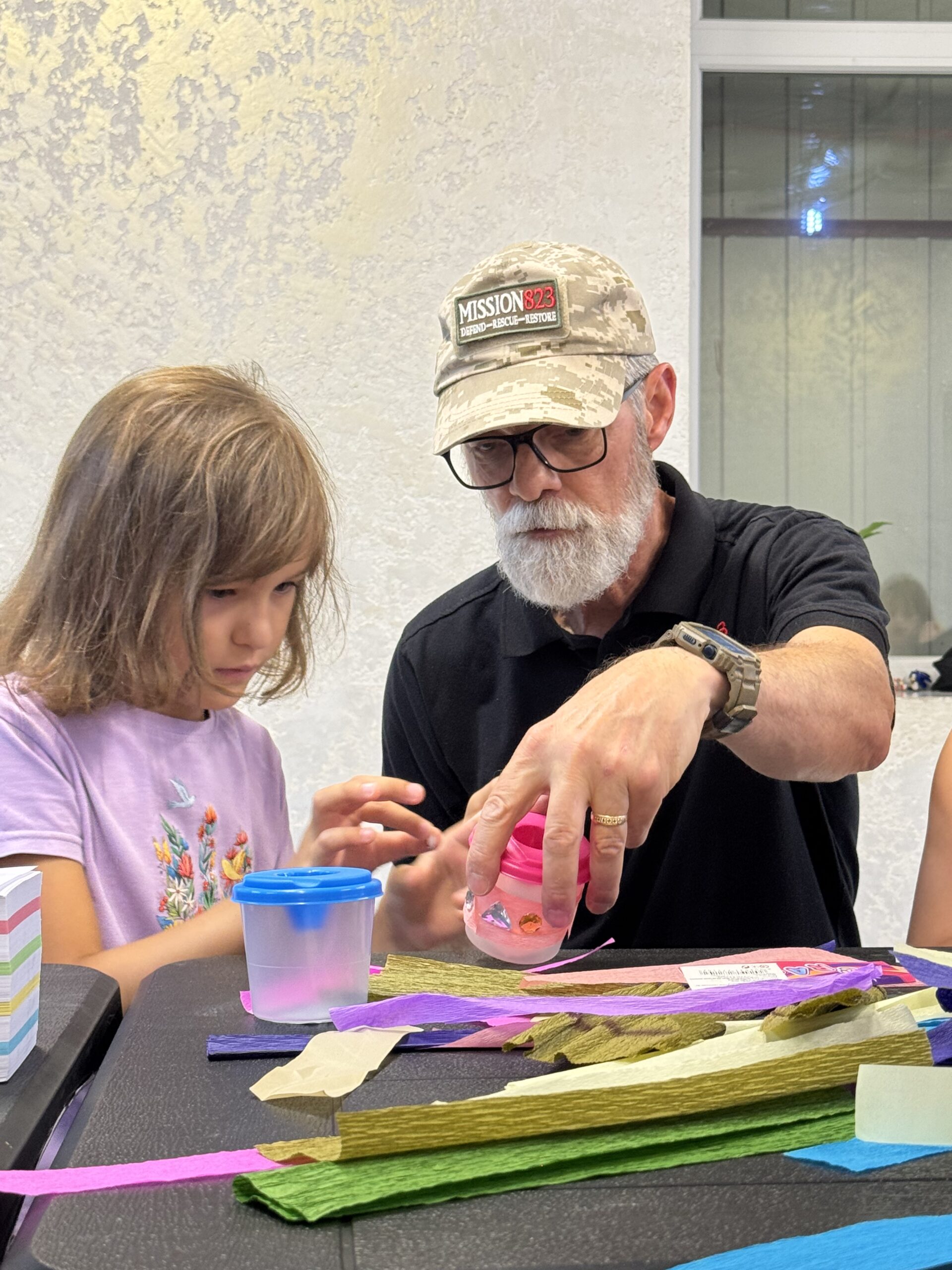
Activities help, but relationships do the deeper work. A soccer game can bring joy. A craft can calm the nervous system. Music can open a guarded heart. Yet what often stays with a child is the counselor who listened, the leader who remembered their name, the adult who stayed patient when they acted out.
That is why the strongest camps are not built around entertainment. They are built around presence. Children who have experienced trauma are often watching for consistency. Will this adult keep showing up? Will they react in anger? Will they pay attention when I am quiet, not just when I am easy to lead? Camp staff and volunteers carry real responsibility because every interaction can reinforce fear or begin rebuilding trust.
This is also where training matters. Compassion alone is not enough. Teams need wisdom about trauma, boundaries, child safety, and the emotional impact of war. A volunteer with a good heart can still miss warning signs or overwhelm a child without meaning to. Strong camp leadership treats protection seriously, because vulnerable children deserve more than good intentions.
What supporters should look for in youth camps in Ukraine
For donors, churches, and potential volunteers, the question is not simply whether a camp exists. The better question is whether it serves children in a way that is safe, thoughtful, and sustainable.
A meaningful camp program usually shows a few clear signs. It understands the local reality on the ground instead of importing a one-size-fits-all model. It has trusted Ukrainian leadership and child protection practices. It cares about follow-up, because a powerful week means more when children remain connected to ongoing support. And it sees each child as more than a number or a photo.
There are trade-offs in this work. Large camps may reach more children at once, but smaller settings can provide better individual care. Emergency-focused programming can meet immediate needs quickly, but long-term restoration requires consistency beyond a single event. International support can strengthen the work, but local relationships are what make it credible and effective. The best ministries understand those tensions and refuse easy slogans.
For faith-based supporters, another question matters too: does the camp treat the gospel as a sales pitch, or as a source of living hope expressed through love, dignity, and truth? Children in crisis do not need pressure. They need faithful adults who serve with integrity and point them toward the God who does not abandon the wounded.
How camps become part of long-term restoration
One week at camp will not solve the trauma of war. It will not rebuild a destroyed neighborhood or erase the pain of family separation. But it can become a turning point.
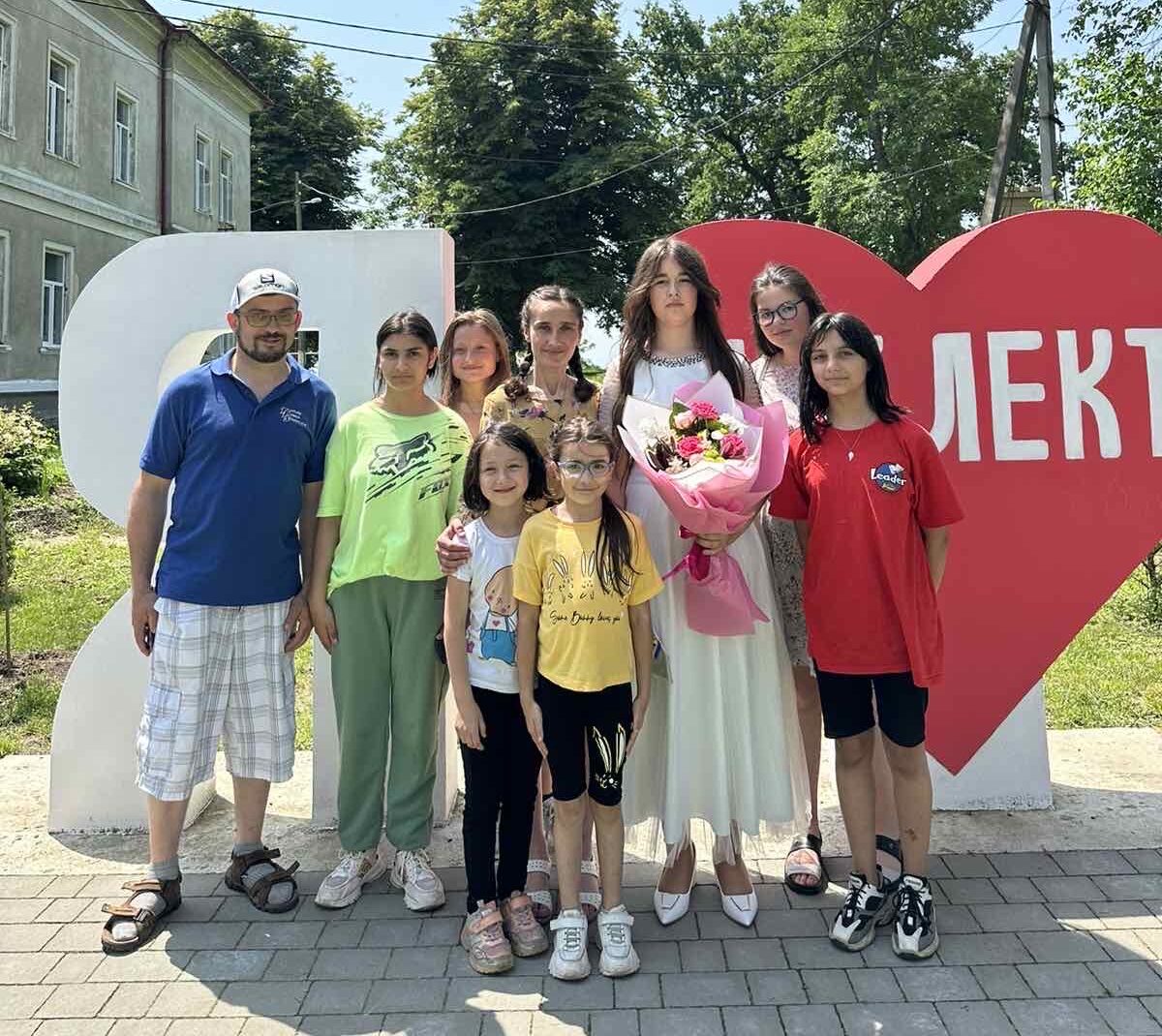
Sometimes the first sign of change is simple. A child who would not speak begins talking. A teenager who arrived angry starts helping younger kids. A camper who has been carrying fear all night finally sleeps. These moments may look small from a distance, but they are often the beginning of deeper healing.
What happens next matters. Camps have the greatest impact when they connect to broader care – family support, mentorship, safe housing, church community, trauma-informed ministry, and practical humanitarian help. That is where a mission-centered nonprofit like Mission 823 stands apart. When camps are connected to year-round care for vulnerable children and families, the ministry does not end when the bus leaves. It keeps showing up.
For American donors, this is where generosity becomes deeply personal. A gift is not just paying for supplies or transportation. It is helping create a place where a traumatized child is protected, known, and reminded that their life has value. For churches and volunteers, partnership is not charity at a distance. It is standing in the gap with people already serving on the front lines.
Why your response matters
There is no shortage of need in Ukraine, and that can make people feel paralyzed. But children cannot wait for the perfect moment or the perfect plan. They need safe spaces now. They need adults who will defend them now. They need hope that takes shape in meals, mentors, prayer, laughter, and protection.
Youth camps may seem simple compared to the scale of war, but simple does not mean small. A safe week can interrupt isolation. A trusted counselor can interrupt despair. A Christ-centered environment can interrupt the lie that a child has been forgotten.
If you care about justice, family restoration, and the protection of vulnerable children, this is not distant work. It is one of the clearest ways to help rescue what trauma tries to steal from the young. Childhood should not be defined by sirens, displacement, and fear. When we help make room for safety, joy, truth, and healing, we are not offering children a temporary escape. We are helping them remember that hope is still possible.