A child who has lived through war may flinch at a slammed door, go silent when an adult asks a simple question, or become angry over something that appears small. These responses are not proof that a child is difficult, ungrateful, or beyond help. They can be signs of a nervous system still trying to survive. So, what does trauma informed care mean? It means responding to children and families with the understanding that their experiences may be shaping what they feel, fear, and need in this moment.
For vulnerable children, especially those affected by displacement, neglect, family separation, exploitation, or violence, care cannot stop at providing food, shelter, or a safe bed. Those needs are urgent and essential. But lasting restoration also requires relationships and environments that help a child believe, often slowly, that they are safe, seen, and valued.
What Does Trauma Informed Care Mean in Practice?
Trauma-informed care is an approach to serving people that recognizes the widespread impact of trauma and avoids practices that may unintentionally cause further harm. Rather than asking, What is wrong with this child?, it asks, What may have happened to this child, and how can we respond with wisdom and care?
That shift changes everything. A caregiver may see defiance, withdrawal, lying, aggression, or extreme independence. Trauma-informed care does not excuse harmful behavior or remove healthy boundaries. It helps adults understand that behavior can be communication. The child may be saying, without words, I do not feel safe. I do not trust adults. I need control because so much has been taken from me.
In a family home, classroom, youth camp, medical setting, or humanitarian response, this approach calls adults to be calm, consistent, and attentive. It does not require every volunteer to become a therapist. It does require us to serve with humility, patience, and a willingness to learn.
Trauma Changes More Than a Memory
Trauma is not only the memory of a frightening event. It can affect how a child’s body responds to stress, how they form relationships, and whether they believe the future can hold anything good. A child may be constantly alert for danger. Another may seem numb or disconnected. A teenager who has learned that adults leave may push away the very people trying to help.
War-related trauma can make these burdens even heavier. Children may have heard explosions, fled their homes, lost loved ones, spent time in unstable housing, or watched their parents struggle under enormous pressure. Some have lived with danger for so long that peace feels unfamiliar.
No two children respond in the same way. Age, personality, family support, prior losses, and the length and severity of the crisis all matter. One child may need space before speaking. Another may need predictable routines and frequent reassurance. A trauma-informed response pays attention rather than assuming one method will heal every wound.
The Foundations of Trauma-Informed Care
Safety comes first. This includes physical safety, such as stable housing, nourishing meals, protection from exploitation, and responsible adult supervision. It also includes emotional safety. Children need to know they will not be shamed for crying, mocked for being afraid, or punished harshly for reactions they do not yet know how to manage.
Trust grows through consistency. Adults build trust when their words and actions match: when they arrive when they say they will, explain changes before they happen, keep appropriate promises, and apologize when they make mistakes. For a child whose world has been unpredictable, ordinary reliability can be deeply healing.
Choice restores dignity. Trauma often involves powerlessness. Offering a child age-appropriate choices can help rebuild a sense of agency. That might mean choosing between two activities, deciding where to sit, selecting clothing, or being asked whether they are ready to talk. Choices should be real, not manipulative, and they must remain within safe boundaries.
Connection reminds a child that they do not have to carry their pain alone. Healthy relationships with caregivers, mentors, teachers, peers, and faith communities can become part of healing. A trusted adult who listens without rushing, prays with sensitivity, celebrates small progress, and remains present over time can speak hope louder than a speech ever could.
What Trauma-Informed Care Is Not
Trauma-informed care is not a soft approach that ignores responsibility. Children need loving structure, clear expectations, and adults who can protect them and others. The difference is in how correction is given. Public humiliation, threats, unpredictable punishment, and power struggles can reinforce fear. Calm consequences, repair after conflict, and clear explanations help children learn without deepening shame.
It is also not a replacement for professional mental health care. Some children need trauma-focused counseling, medical support, crisis intervention, or specialized protection services. Responsible organizations and caregivers know when to seek qualified help. A caring volunteer can offer comfort and stability, but they should never promise to heal trauma alone or press a child to share painful details.
Faith also must be offered with care. Prayer, Scripture, and the faithful presence of believers can be profound sources of hope. Yet a child should never be pressured to perform gratitude, disclose trauma, or accept spiritual answers as a shortcut around grief. God is near to the brokenhearted, and faithful care makes room for lament, questions, and the slow work of rebuilding trust.
How Supporters Can Help Create Healing Environments
For donors, churches, business leaders, and volunteers, trauma-informed care is not an abstract clinical idea. It shapes how we partner with children in crisis. Financial support can provide the stable, long-term care that makes healing possible: safe family homes, trained caregivers, counseling access, education, nutritious food, youth camps, and practical support for families under pressure.
Short-term service can matter too, particularly when volunteers understand their role. The goal is not to arrive as a hero, create a powerful moment, and disappear. The goal is to strengthen local caregivers and encourage children without making promises that cannot be kept. Consistency is often more valuable than intensity.
Churches can help by learning how trauma affects children and families, responding without judgment, and supporting ministries that protect vulnerable people for the long haul. Business leaders can mobilize resources, sponsor practical needs, and invite employees into service that respects the dignity of those being served. Every partnership can become part of a safer circle around a child.
At Mission 823, this conviction shapes the work of caring for children and families facing the consequences of war, displacement, and deep loss in Ukraine. Rescue matters. Emergency aid matters. But restoration asks us to stay present after the immediate crisis has passed, helping children experience the steady care that tells them their lives are worth defending. We frequently hear the question, “Why are you still here? Lots of people come and go, but your team stays. Why do you do this?”
Small Responses Can Carry Great Weight
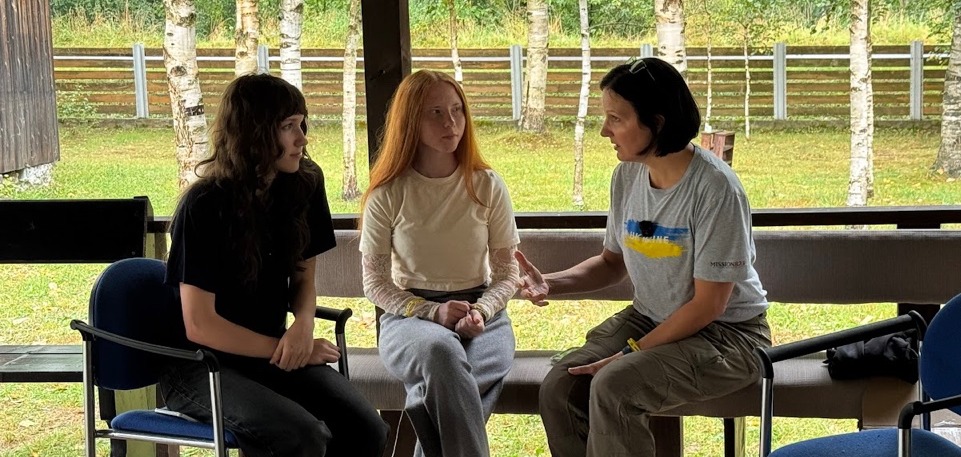
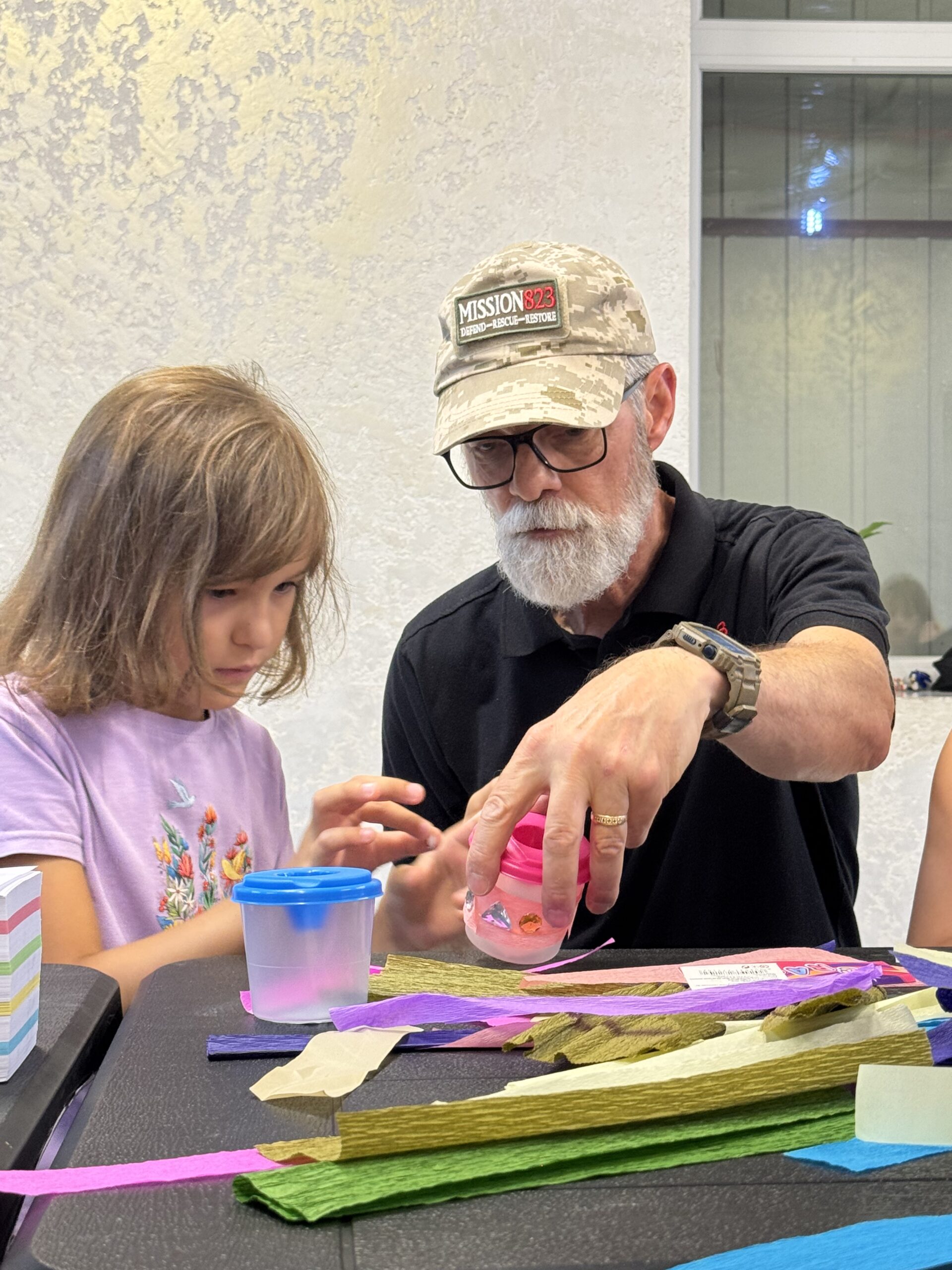
Trauma-informed care often looks ordinary from the outside. It can be a caregiver sitting quietly beside a frightened child. It can be a predictable bedtime routine, a warm meal offered without conditions, a camp leader who does not force participation, or a teacher who notices that a student needs a break rather than a reprimand.
These moments do not erase what happened. Healing is rarely quick, and progress may include setbacks. Still, every safe and faithful response can challenge the lie trauma teaches: that no one will come, no one will listen, and nothing will change.
When we choose to see the child beneath the behavior, protect dignity alongside safety, and commit to care that lasts, we become part of a different story. Not a story that denies suffering, but one that insists suffering will not have the final word. #iam823 #traumainformedcare #kidsinukraine #theyrejustkids #kidswithptsd