A child can survive a border crossing and still wake up afraid to sleep. They can reach physical safety in a different part of their own country and still panic at loud sounds, cling to adults, stop speaking, or carry a level of grief far beyond their years. Trauma healing for refugee children begins there – not with a quick fix, but with the honest recognition that survival is only the first step.
For children displaced by war, family separation, exploitation, neglect, or repeated instability, healing is rarely linear. Some seem resilient one day and deeply dysregulated the next. Some act much younger than their age. Others appear unusually calm because they have learned to stay emotionally shut down. If we want to serve these children well, we have to move beyond the idea that food, shelter, and transportation alone are enough. Those are essential. They are not the whole answer. The trauma they have experienced is physical, mental, emotional and spiritual and our calling is to bring restoration to the whole person.
What trauma healing for refugee children really requires
At its core, trauma healing for refugee children requires safety that is felt, not just provided. Adults often measure safety by visible conditions – a warm room, regular meals, clean clothes, medical care. Children measure it differently. They ask, often without words, whether the adults around them are predictable, whether they will be left again, whether danger can return without warning.
That is why healing takes time and consistent relationships. A child who has lived through shelling, displacement, abandonment, or trafficking risk may not respond to kindness right away. They may test boundaries, reject comfort, or become aggressive in moments that seem small to outsiders. This is not defiance in the ordinary sense. It is often a nervous system shaped by chronic fear.
Real care makes room for that reality. It understands that trauma can affect sleep, memory, appetite, learning, attachment, and behavior. It also understands that children do not all process pain in the same way. Age matters. Personality matters. Development matters. Culture matters. Faith and community matter too.
The first need is not explanation. It is safety.
When adults want to help, they often start with questions. What happened? How do you feel? Do you want to talk about it? Sometimes those questions are appropriate. Often, especially early on, they are not the first need.
Children who have endured trauma need calm, steady care before they need deep conversation. Predictable routines help. So do familiar faces, gentle tone of voice, clear boundaries, and patient presence. A child who knows where they will sleep, who will pick them up, when they will eat, and what tomorrow is likely to look like has a stronger foundation for healing than a child surrounded by constant change.
This can sound simple, but it is costly work. Stability requires people who will keep showing up. It requires homes, caregivers, trained staff, teachers, counselors, and communities willing to stay involved after the emergency headlines fade. And in Ukraine, if the war stopped today, we would still have 2 generations of conflict related trauma healing to support.
Why behavior often gets worse before it gets better
One difficult truth is that some children unravel only after they reach a safer environment. To an outsider, that can look confusing. If they are safe now, why are they melting down now?
Because the body often postpones distress until immediate survival is no longer the only priority. Once the child is out of direct danger, fear, grief, anger, and confusion may surface more intensely. Nightmares may increase. Regression may appear. School struggles may become more obvious. This does not always mean care is failing. Sometimes it means the child finally has enough margin for pain to emerge.
That said, there is no one-size-fits-all timeline. Some children improve quickly with structure and connection. Others need long-term therapeutic support. Wise caregivers avoid promises that healing will be fast. Hope is real, but so is the need for endurance.
Healing happens in relationships
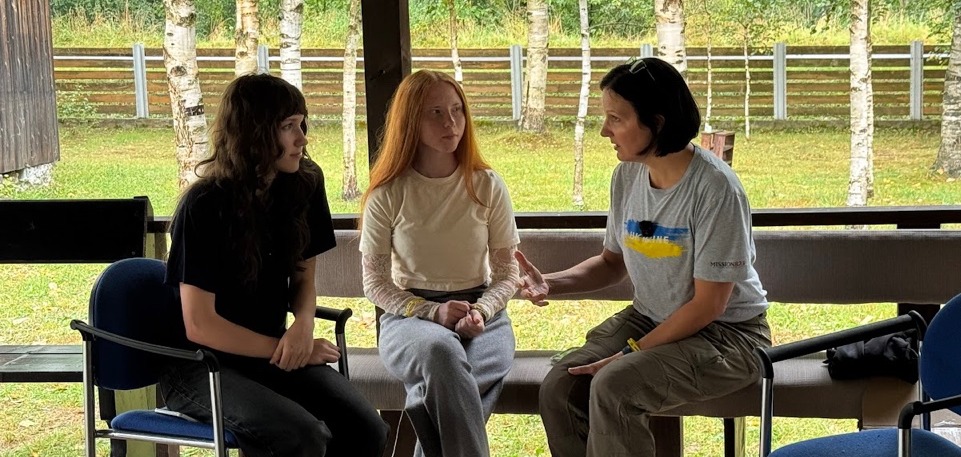
Therapy can be vital, especially for children carrying severe trauma, loss, or abuse. But trauma healing for refugee children does not happen only in a counselor’s office. It also happens at the dinner table, in the classroom, during play, at bedtime, in worship, and through the daily experience of being seen and protected.
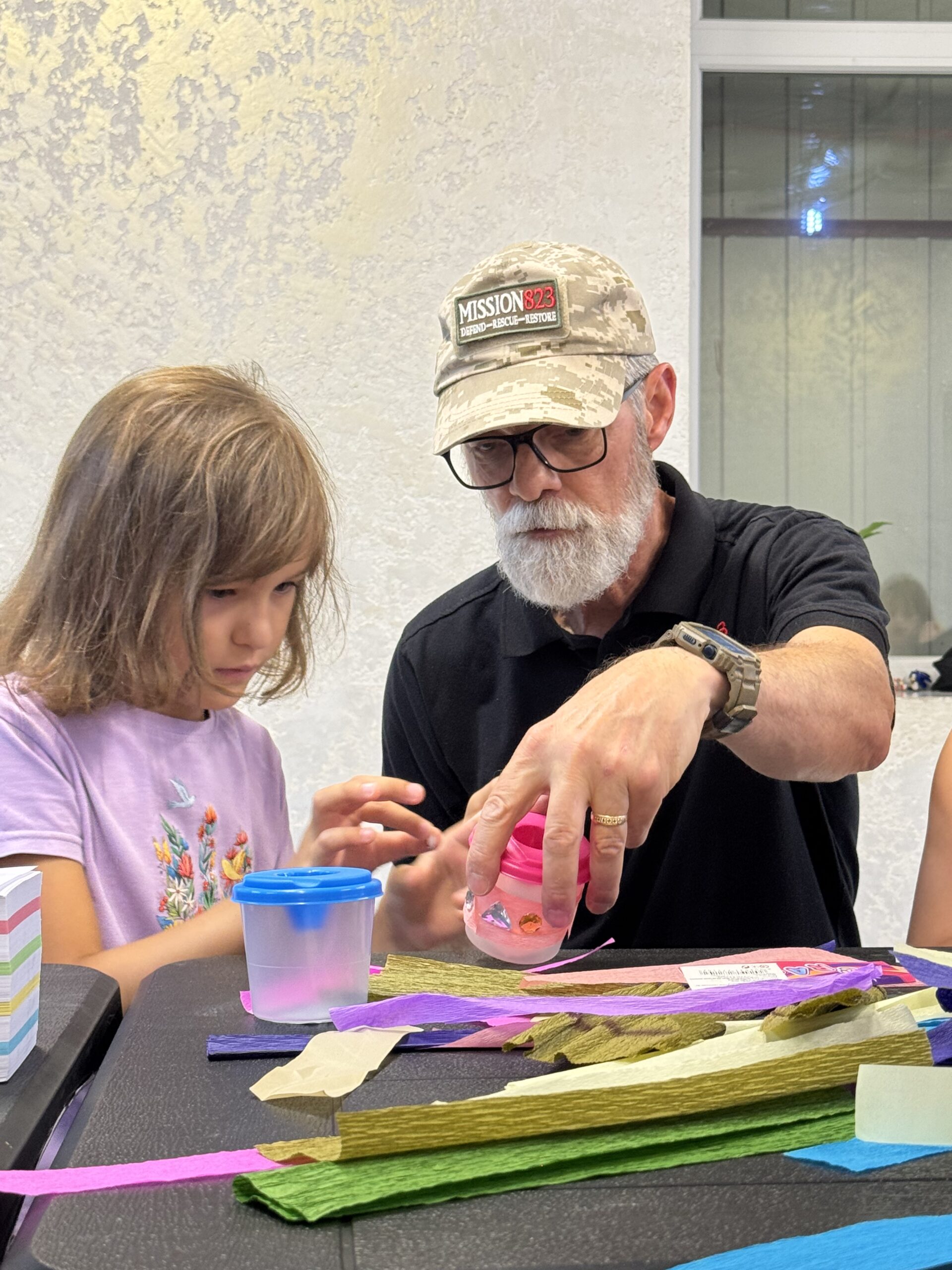
Healthy attachment is part of recovery. When trustworthy adults respond with patience instead of shame, children begin to learn that they are not alone in their pain. When caregivers hold boundaries without harshness, children learn that authority does not have to mean danger. When communities create spaces where children can play, learn, pray, and rest, the nervous system starts to relearn what peace can feel like.
This is one reason long-term ministry matters so much. Emergency relief saves lives. Ongoing care rebuilds them. A child may need both in the same season.
Faith, when offered with gentleness, can support restoration
For many families and communities, faith is not separate from healing. It can offer language for grief, dignity in suffering, and hope that trauma does not get the final word. Prayer, Scripture, worship, and the presence of a loving church community can strengthen children and caregivers alike.
But this must be handled with care. Faith should never be used to rush pain, silence questions, or suggest that a traumatized child only needs to “be stronger” spiritually. Children need room to lament. They need truth spoken with tenderness. They need adults who reflect the heart of God by protecting the vulnerable and staying near in suffering.
What effective support looks like on the ground
The most effective care for refugee children is usually integrated. Physical needs, emotional support, education, family stability, and protection from exploitation are deeply connected. If one area collapses, the others often suffer.
A child who is hungry or cold will struggle to regulate emotions. A child who has no stable caregiver may struggle to trust any counselor. A child who remains at risk of trafficking or abuse cannot fully settle into recovery. That is why strong intervention models combine immediate relief with relational, long-term support.
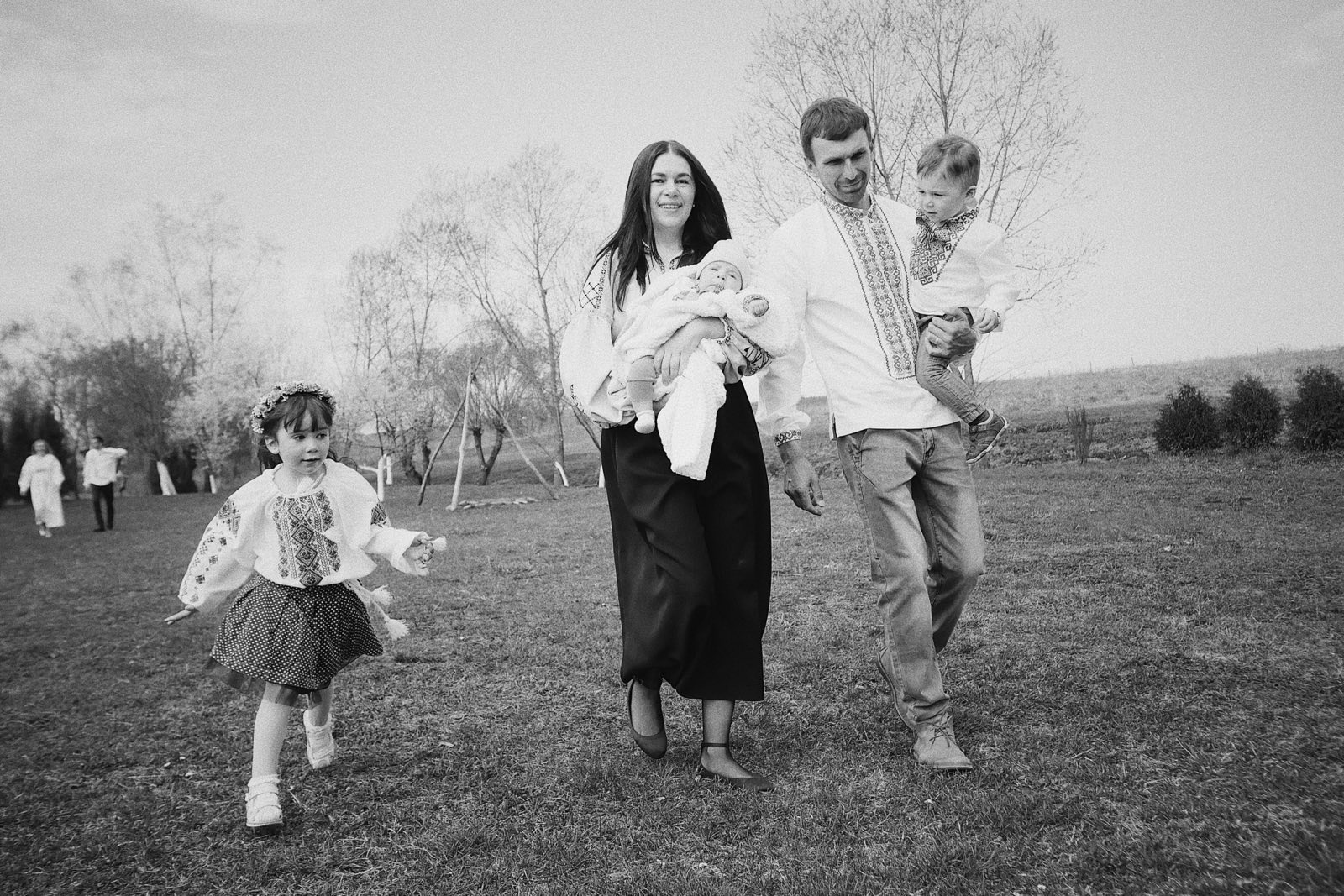
In practice, this may include safe family-style homes, trauma-aware caregiving, mentoring, educational support, structured play, crisis response, and trusted adults who know how to recognize signs of distress. It may also include support for parents or relatives when reunification is possible and safe. Keeping children connected to healthy family bonds can be profoundly healing, but only when those relationships do not place them back in harm’s way.
That is where discernment matters. Family preservation is often good. It is not automatically good in every case. Protection must remain central.
How supporters can help trauma healing for refugee children
Many people care deeply about displaced children but feel unsure what actually helps. Compassion matters, but trauma-informed compassion matters more.
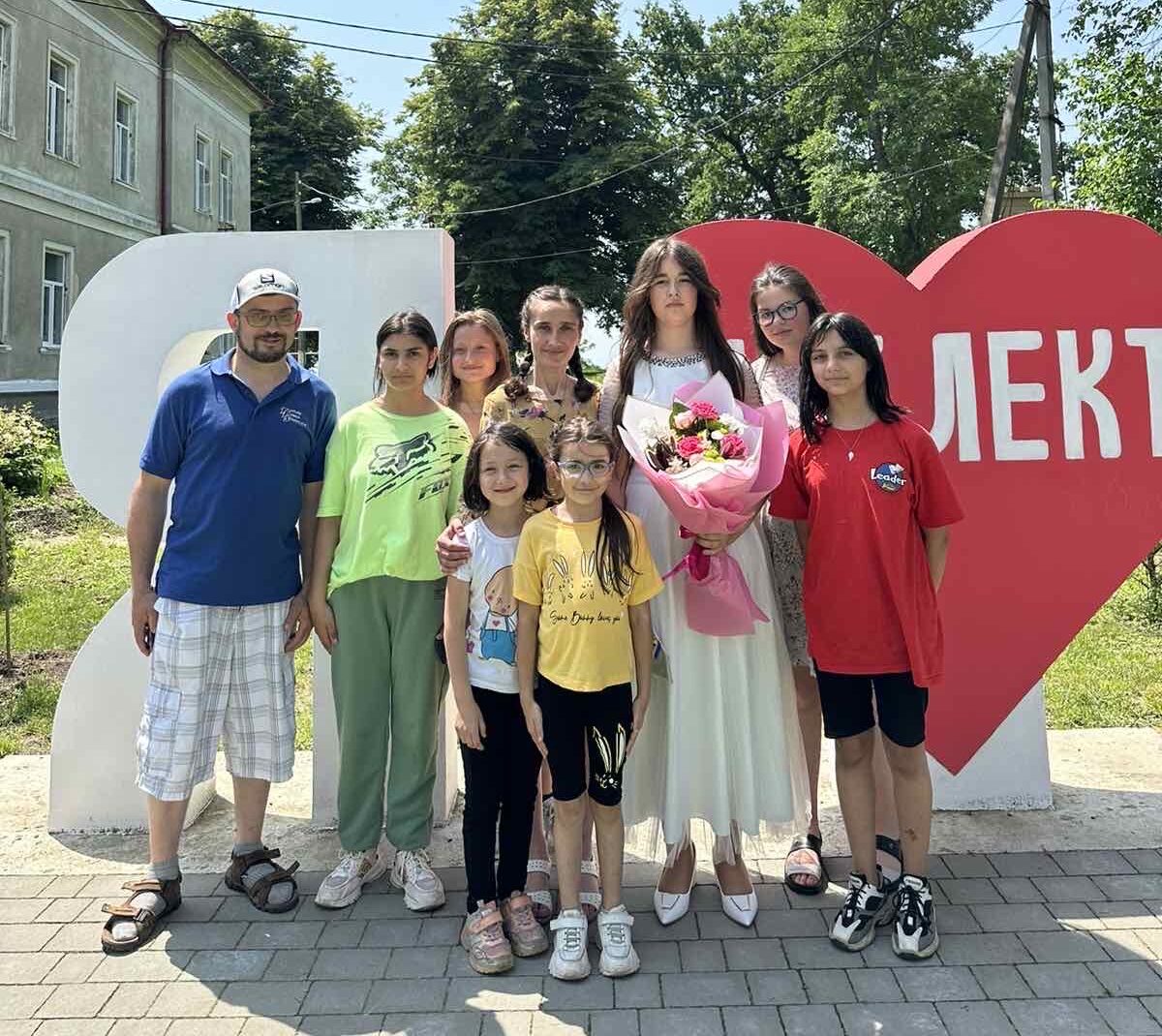
Children need more than momentary generosity. They need sustained investment in safe housing, trained caregivers, counseling access, camps and programs that restore joy, educational continuity, and emergency response systems that keep vulnerable children from slipping into exploitation. They need communities willing to fund the slow work of restoration, not just the visible work of rescue.
That means donors, churches, and volunteers have a serious role to play. Financial support can keep homes open, supply aid, and expand trauma care. Churches can pray, give, mobilize teams, and advocate for children who would otherwise be overlooked. Volunteers with practical skills – from teaching and counseling to medicine and construction – can strengthen the places where healing becomes possible. Mission 823 exists in that space, connecting supporters to direct care for vulnerable and traumatized children in Ukraine through both urgent response and long-term restoration.
Still, wise support is not about centering ourselves as heroes. It is about standing faithfully with children and frontline caregivers, meeting real needs, and refusing to look away when trauma is complex, expensive, and slow to heal.
What hope really means here
Hope is not pretending children are unaffected by war and displacement. There are over 6 million children in Ukraine with war related trauma and PTSD. It is not measuring success only by how quickly they smile again. Hope is the courage to believe that trauma can be treated, trust can be rebuilt, and a child’s story can hold more than fear.
Some children will need years of consistent care. Some scars will remain tender. Some losses cannot be repaired this side of heaven. But healing is still real. It appears when a child sleeps through the night for the first time in months. When they begin to play freely again. When they risk attachment. When they learn. When they pray. When they stop scanning every room for danger.
If we care about refugee and internally displaced (IDP) children, we cannot settle for keeping them alive. We must contend for their restoration – patiently, courageously, and with the kind of love that stays long enough to become believable. Give today to sponsor a child.