Children must be protected from danger, physically, mentally, emotionally and spiritually. And when war comes to their doorstep, the danger multiplies many times over. To donate to Ukraine orphan care is not to support an abstract cause, but a terrifying reality. It is to stand between a vulnerable child and the very real threats of displacement, trauma, neglect, and exploitation.
That matters more in Ukraine than many Americans realize. When conflict tears through communities, children who have already faced loss or instability are pushed even closer to the edge. Some have lost parents. Some have been separated from caregivers. Some come from homes under crushing stress, where poverty, violence, or displacement make everyday care harder to sustain. Others are at risk of being pulled into systems that keep them unseen and unsupported when what they need most is family, protection, and healing.
What Ukraine orphan care really means
When people hear the word orphan, they often picture a single image – a child with no parents and nowhere to go. The truth is more complicated. Many vulnerable children in Ukraine are not literal orphans. They may have one surviving parent, relatives with limited capacity, or families fractured by war, addiction, poverty, or trauma. That is why effective care cannot stop at food or temporary shelter.
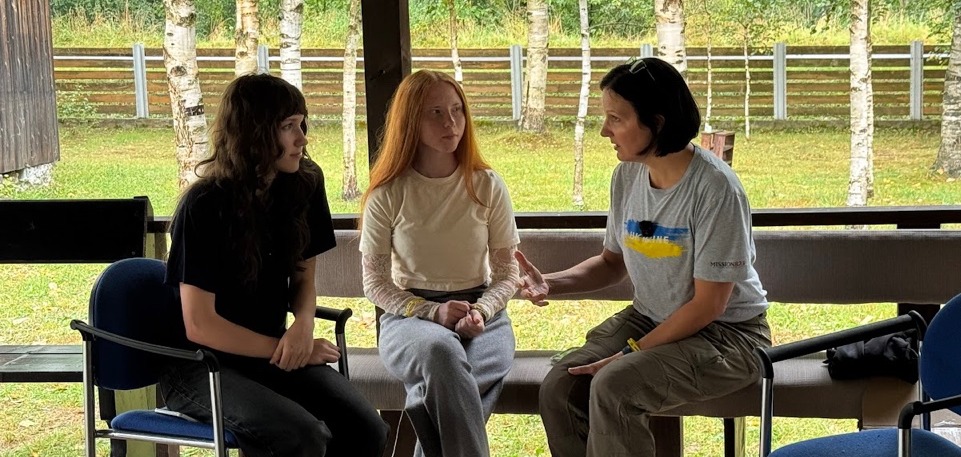
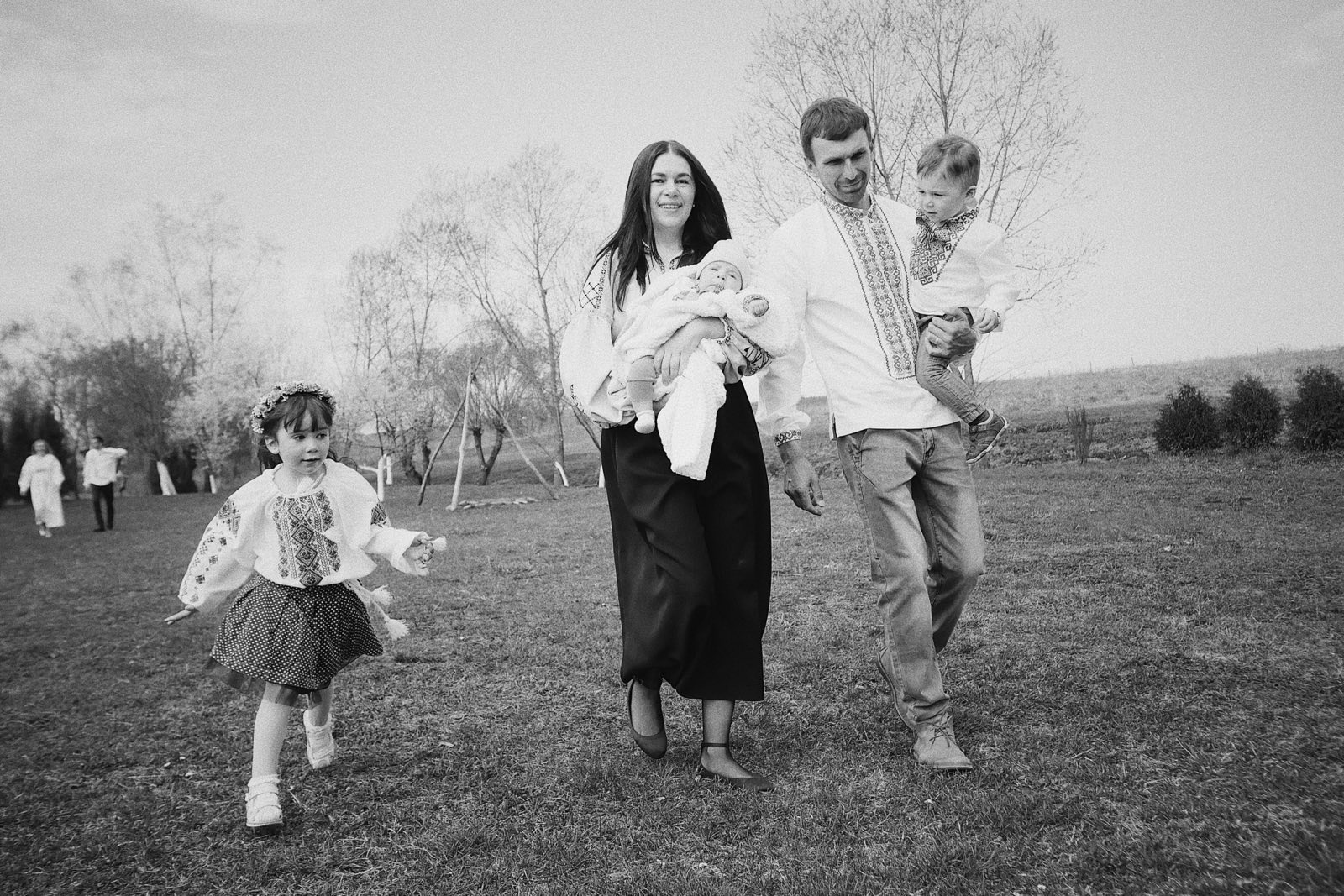
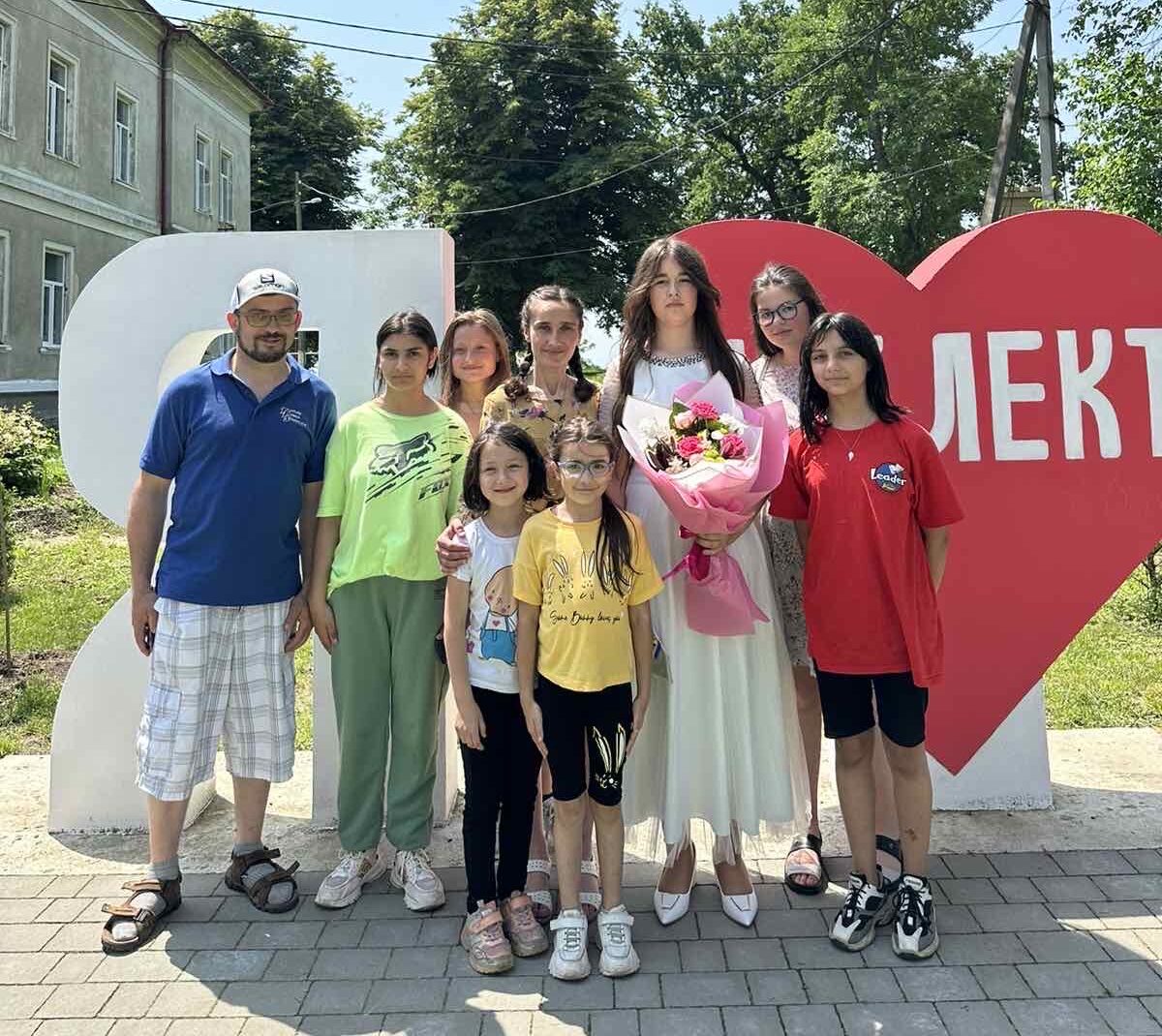
Real orphan care means creating safety that lasts. It means family-style homes instead of institutional neglect. It means adults who know a child’s name, understand their triggers, and stay long enough to rebuild trust. It means meals, clothing, and medical care, but also counseling, education, spiritual support, and a community that refuses to treat children as a problem to manage.
This is where giving becomes deeply personal. A donation does not just fund a program line. It helps place a child in an environment where they can sleep without fear, learn again, and begin to believe their life is worth protecting.
Why donate to Ukraine orphan care during war?
War changes everything, but it does not erase the daily needs of children. It intensifies them. A child who was already vulnerable before the invasion can quickly become at risk of displacement, trafficking, interrupted schooling, untreated trauma, and chronic instability.
That is one reason urgency matters. In a war zone, gaps in care are dangerous. If housing is disrupted, if caregivers are overwhelmed, or if families lose access to food and essentials, children become easier targets for abuse and exploitation. Early intervention can keep a crisis from becoming lifelong damage.
There is also a long-term reason to give now. Emergency aid is vital, but children cannot heal on emergency aid alone. They need consistent relationships and stable environments over time. The strongest Ukraine orphan care efforts do both – they respond to immediate wartime needs while building the kind of ongoing support that helps children recover, grow, and stay protected.
For faith-driven donors, this is not merely charity. It is a moral response to suffering. Scripture leaves little room for indifference toward the vulnerable. To protect children in crisis is an act of justice, mercy, and faithful stewardship. Our foundational reference at Mission 823 is Psalm 82:3,4 – Defend the poor and fatherless: Do justice to the afflicted and needy. Deliver the poor and needy: Rescue them out of the hand of the wicked. This is our core duty and daily work as believers.
The difference between short-term relief and lasting care
Not every donation model works the same way. Some efforts are designed for fast relief – food boxes, evacuation support, winter supplies, transportation, and emergency medical help. Those are necessary, especially in an active conflict setting.
But orphan care asks a further question: what happens after the immediate crisis passes? A child still needs stability six months later. They still need healthy attachment, school support, trauma-informed care, and trusted adults one year later. They still need belonging.
That is why the strongest ministries and nonprofits do not force a choice between urgent relief and long-term restoration. They understand that vulnerable children need both. Humanitarian aid can preserve life in the moment. Family homes, youth programs, counseling, and community care can help rebuild it.
There is a trade-off worth naming here. Emergency response can be highly visible and easier for donors to picture. Long-term healing is slower and less dramatic. Yet slow, faithful care is often where the deepest transformation happens.
What your donation can help provide
When you donate to Ukraine orphan care through Mission 823, you are helping meet layered needs, not just one. Children affected by war and family crisis often need support on several fronts at once.
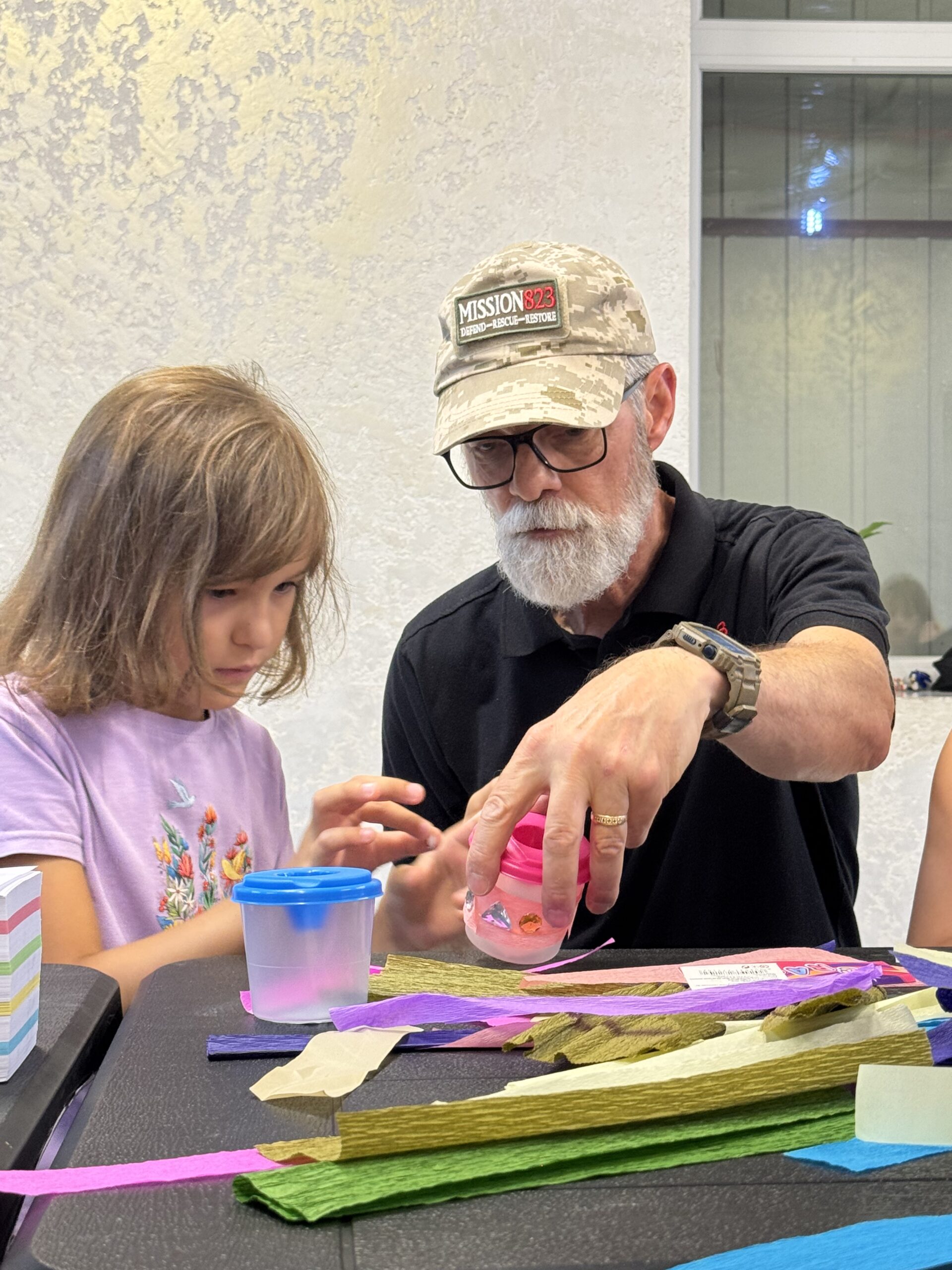
A gift may help sustain family homes where children live in a safe, consistent environment with committed caregivers. It may support youth camps that give traumatized children space to rest, play, pray, and reconnect with hope. It may help provide food, hygiene items, medicine, transportation, fuel, bedding, or winter essentials for families under severe pressure. It may also strengthen outreach that reduces the risk of trafficking and other forms of exploitation among displaced and vulnerable youth.
That range matters because children do not experience need in neat categories. Hunger affects learning. Trauma affects behavior. Instability affects trust. A wise donor looks for work that sees the whole child.
Mission 823 is built around that kind of response – defending, rescuing, restoring, and supporting vulnerable children and families through family homes, camps, humanitarian aid, and frontline care in Ukraine.
How to give with discernment
Compassion should move quickly, but wise generosity still asks questions. If you are considering where to give, look for clarity about how children are being served, what kind of care model is in place, and whether the organization is equipped for both crisis response and long-term support.
It also helps to consider proximity to the work. Donors often want confidence that their giving reaches real people, not just overhead and messaging. A ministry or nonprofit with trusted local partnerships, clear mission focus, and direct involvement in child welfare can offer that confidence.
You should also pay attention to whether the organization sees children in context. Some ministries only address symptoms. Others work to strengthen families, support caregivers, and build protective communities around at-risk youth. That broader approach is often more effective because it reduces the pressures that place children in danger to begin with.
For many Christian donors, accountability includes spiritual integrity as well. Does the work reflect compassion without exploitation? Does it honor the dignity of children rather than using their pain as a fundraising device? Does it communicate both urgency and hope? Those questions matter.
Why church communities and business leaders play a crucial role
Individual giving matters, but larger communities can multiply impact. Churches can turn concern into sustained partnership through offerings, mission weekends, fundraiser events, prayer support, and volunteer mobilization. Business leaders can leverage resources, connect with networks, sponsor projects, match gifts, and involve their teams in practical service.
That kind of partnership is powerful because the need is not one-dimensional. A family home may need ongoing financial support. A youth camp may need supplies and volunteers. A humanitarian response may require rapid funding when new displacement or attacks disrupt a region. Strong partnerships create resilience.
Just as importantly, they tell vulnerable children they have not been forgotten by the wider Body of Christ. Distance does not cancel responsibility. It expands the opportunity to serve.
Giving is not passive when it protects a child
Some people hesitate because writing a check can feel less meaningful than physically going. Hands-on service is valuable, and for some supporters, mission trips or volunteer work will be part of the calling. But financial giving is not a lesser response when it places food on the table, keeps a home running, funds trauma care, and protects children from exploitation.
In many cases, it is the most immediate form of action available. It allows trained local teams and trusted caregivers to keep showing up day after day. That kind of consistency saves lives quietly. It rarely makes headlines, but it changes a child’s future.
If you have been asking whether your gift can really make a difference, the better question may be this: what becomes possible for a child when faithful people refuse to look away?
A child in crisis does not need our pity. That child needs protection, presence, and the chance to heal. When you give with courage and compassion, you become part of that answer. Consider giving today: https://mission823.com/