A child who has lost home, routine, and safety does not just need sympathy. That child needs protection, steady care, and people who will act. If you are wondering how to help Ukrainian children, the most meaningful response is not vague concern. It is practical, faithful action that meets urgent needs while helping restore a future.
Ukraine’s children have carried a heavy cost of war. Many have been displaced. Some have lost family support, access to school, or the daily stability that helps a child feel safe. Others face deeper risks that follow crisis closely, including neglect, trauma, exploitation, and trafficking. When a country is under pressure for this long, the needs of vulnerable children do not stay limited to food or shelter. They become emotional, relational, and long term.
How to help Ukrainian children in ways that truly matter
The hardest part for many supporters in the United States is knowing what actually helps. In a crisis this visible, it is easy to respond emotionally but less easy to respond effectively. The best help is specific. It protects children today while also strengthening the people and places responsible for their care tomorrow.
That usually means supporting work on the ground that is close enough to respond quickly and committed enough to stay. Emergency aid matters, but relief by itself is not enough for a child who has experienced ongoing fear, displacement, or loss. Children need safe housing, trusted adults, trauma-informed care, community support, and consistent attention over time. They need to be defended from immediate danger and also restored in the months and years that follow.
For that reason, one-time viral generosity and sustained mission partnership are not the same thing. One may provide a brief moment of help. The other helps build a net under a child’s life.
Give financially where care is direct and accountable
For most people, the fastest and strongest answer to how to help Ukrainian children is financial giving. That may sound less personal than volunteering, but in many cases it is the most useful response. Trusted organizations on the ground like Mission 823 can turn a gift into food, medicine, fuel, housing support, counseling, camp programming, evacuation assistance, and care for children who have been traumatized by war.
The key is not just to give, but to give wisely. Look for ministries and nonprofits that can explain where funds go, what programs they sustain, and how they protect children over the long haul. A healthy organization should be able to show a clear path from donation to impact. It should also understand that vulnerable children need more than emergency supplies. They need relationships, structure, and safety.
This is where many donors have to make a decision. Some prefer broad relief efforts because they reach large numbers quickly. Others want to support focused child-centered work that may be smaller in scale but deeper in care. Neither choice is automatically wrong, but if your burden is specifically for children, it makes sense to invest in models built around child welfare, family support, trauma recovery, and protection from exploitation.
Support safe homes, camps, and restoration programs
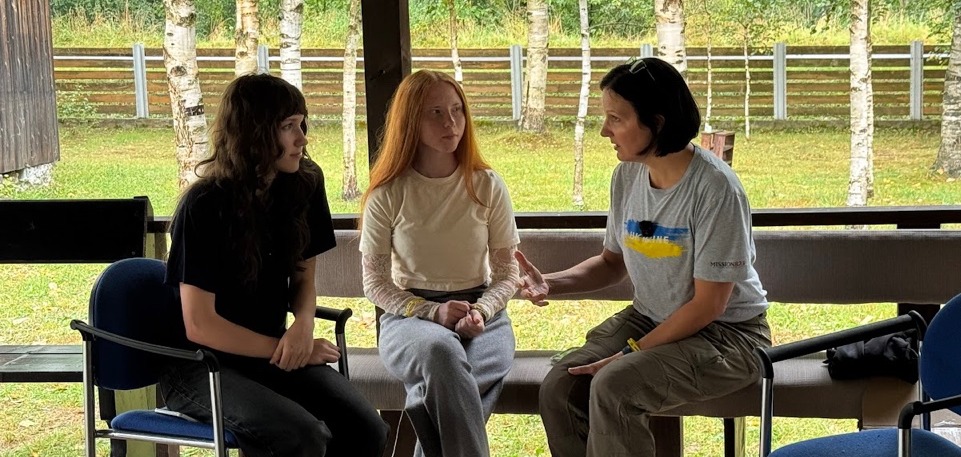
A child in crisis does not heal in a vacuum. Healing usually happens in the context of safe adults, stable routines, and places where fear begins to loosen its grip. Family homes for vulnerable children, youth camps, and restoration-focused programs can be deeply effective because they do more than cover material needs. They help children experience trust again.
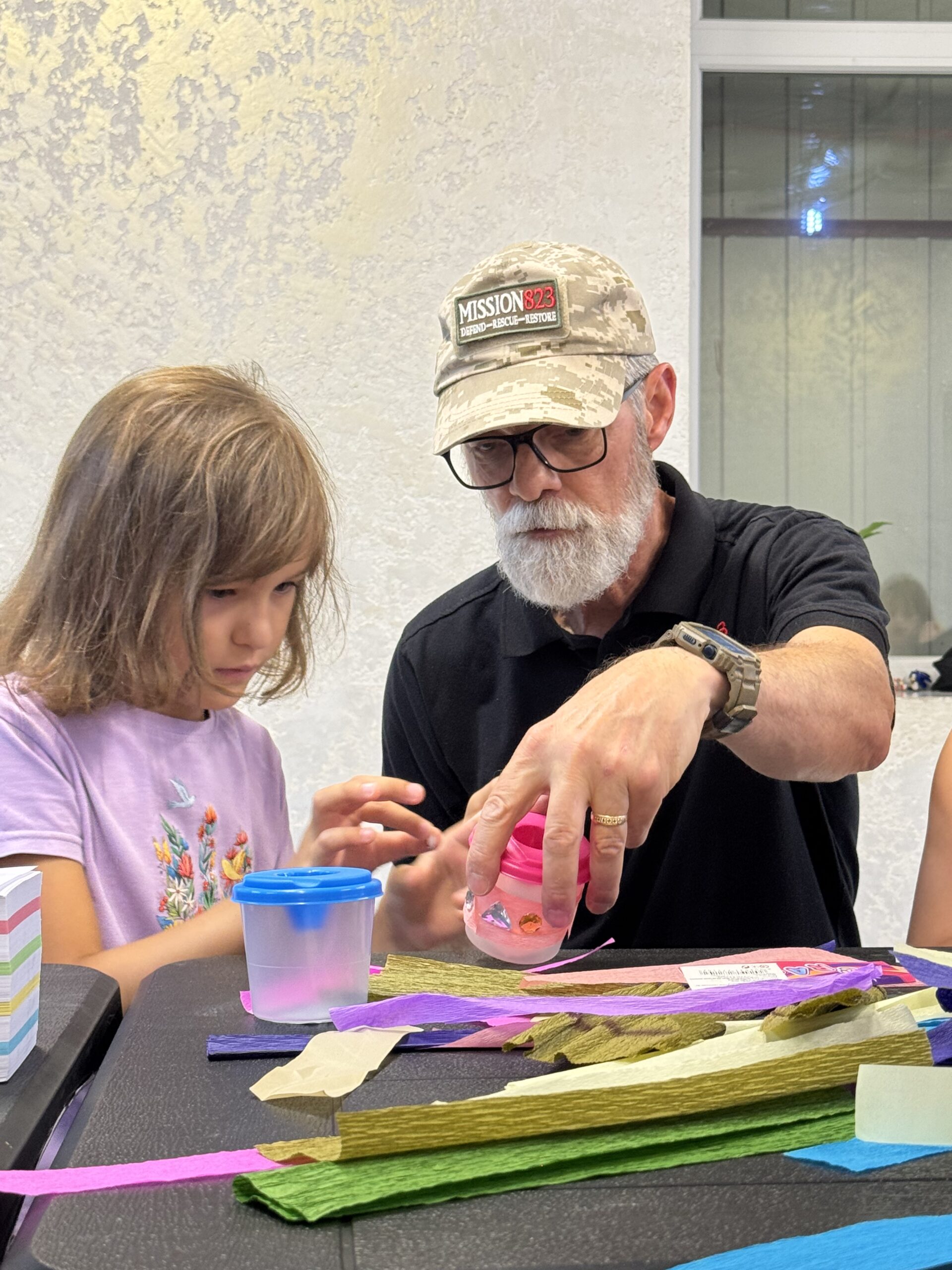
That matters more than many people realize. A child who has been displaced or traumatized may need consistent meals and clothing, yes, but also predictable structure, emotional support, play, prayer, counseling, education, and the reassurance that someone is watching over them. These are not extras. They are part of how children recover.
Mission 823 is one example of a faith-driven nonprofit working in that space by combining family-based care, humanitarian relief, youth outreach, and frontline support for children facing trauma and instability in Ukraine. That kind of integrated model is worth paying attention to because children rarely need just one kind of intervention.
How to help Ukrainian children without creating more harm
Good intentions are not always enough. In any war or displacement crisis, children become more vulnerable to exploitation. Families under pressure may accept unsafe offers of transportation, housing, employment, or care. Children separated from support systems can become easier targets for traffickers and abusers. That means helping well requires wisdom, not just urgency.
If you are giving, volunteering, or mobilizing others, choose organizations with strong child protection practices. Ask whether they work through trusted local partners. Ask how they vet staff and volunteers. Ask how they handle trauma care and whether they are involved in family preservation, safe housing, or anti-trafficking efforts. If those questions feel too detailed, remember what is at stake. Vulnerable children need defenders, not just donors.
This is also why random direct intervention is usually not the best path. Most supporters should not try to arrange independent aid distribution, host unknown children without proper systems, or travel into unstable areas without a credible organizational framework. Personal passion is powerful, but without structure it can create confusion or risk. The wiser choice is often to strengthen experienced teams already serving in trusted local networks.
Mobilize your church, business, or community
One person can help, but a community can sustain rescue and restoration. Churches, small groups, schools, and businesses are often in a strong position to do more than make a single donation. They can create ongoing partnerships that provide regular support for children and families over time.
A church might sponsor a campaign for family homes, trauma care, or humanitarian aid. A business might underwrite a camp, match employee giving, or provide supplies through a coordinated effort. Community leaders can host fundraisers, awareness events, or prayer gatherings that move people from compassion to commitment. This kind of shared action matters because long-term ministry and relief work depend on durable support, not just emergency spikes.
The trade-off is that organized partnership takes more effort than writing a check once. It asks for planning, communication, and follow-through. But it also creates deeper engagement. People begin to understand that helping Ukrainian children is not a passing cause. It is a call to stand with the vulnerable until safety and healing take root.
Go and serve if you are sent
Some supporters feel called to serve in person. That can be meaningful, especially when volunteer opportunities are tied to trusted ministries and real needs. Teachers, counselors, medical professionals, construction workers, ministry leaders, and camp volunteers may all have something valuable to offer.
Still, this is one of those areas where it depends. A short-term trip can bless children and strengthen local teams when it is carefully planned, culturally respectful, and built around the host organization’s needs. It can also become burdensome if it is more about the volunteer’s experience than the mission itself. The right question is not just, “Do I want to go?” but “Would my service genuinely strengthen the work already happening?”
When the answer is yes, going can be a powerful act of solidarity. It tells children and caregivers that they have not been forgotten.
Pray with urgency and stay informed
For a faith-driven community, prayer is not a softer substitute for action. It is part of the work. Pray for protection over children at risk of violence, displacement, and trafficking. Pray for caregivers, churches, relief workers, and local leaders carrying enormous burdens. Pray for endurance, wisdom, open doors, and the healing only God can bring to traumatized hearts.
But prayer should not live in isolation from informed action. Learn what children in Ukraine are actually facing. Pay attention to the realities of trauma, family separation, disrupted education, and exploitation risk. The more clearly you understand the need, the more faithfully and effectively you can respond.
Helping children in crisis is rarely dramatic in the way social media imagines it. More often, it looks like funding safe shelter, standing behind trusted caregivers, showing up consistently, and choosing not to look away when the crisis becomes old news. That kind of help may not feel flashy, but it is often what saves and changes lives.
If you have been asking how to help Ukrainian children, start with the next faithful step in front of you. Give. Pray. Partner. Serve. And do it with the conviction that a child’s safety, healing, and future are worth far more than momentary concern.