Compassion, Transparency, and Partnership
A child who has already lost home, routine, and safety does not need a charity gesture. That child needs a bed tonight, food this week, trauma care over time, and adults who will not disappear when the headlines shift. That is why ukraine war relief donations matter so deeply – not just as emergency help, but as a lifeline that can protect children and strengthen families in the middle of prolonged war.
For many American donors, the hardest part is not compassion. It is confidence. You want to know your gift does more than create a brief moment of relief. You want to know it reaches the vulnerable, serves real needs, and stands in the gap where children are at risk of neglect, displacement, and exploitation. Those are the right questions to ask.
What ukraine war relief donations should really accomplish
War relief is often framed as immediate aid, and immediate aid is essential. Families need food, medicine, heat, evacuation support, and basic supplies. But in Ukraine, the crisis has lasted long enough that emergency response alone is not enough. Children are growing up under stress, parents are carrying deep trauma, and communities are trying to survive repeated disruption.
The most meaningful ukraine war relief donations do two things at once. They answer urgent needs now, and they help build a stable path forward for the people most at risk. That means a donor should care not only about how fast aid moves, but also about what happens after the first delivery is made.
A box of supplies can help a family endure a hard week. Ongoing care can help that family stay together. Both matter. The strongest relief models refuse to choose between short-term mercy and long-term restoration.
Why children need more than emergency aid
Children suffer differently in war. They may not be the ones making decisions, but they carry the consequences in their bodies, minds, and futures. Displacement interrupts school. Trauma changes behavior. Economic pressure can push families into desperate situations. In chaotic environments, the risks of abuse, abandonment, and trafficking rise sharply.
That is why child-focused relief deserves careful attention. If an organization says it serves Ukraine, the real question is whether it understands what vulnerable children actually need. Food and clothing matter, but safety, stable care, trusted adults, trauma-informed support, and family preservation matter too. This is the comprehensive model of Mission 823.
For faith-driven donors, this is more than a strategy question. It is a moral one. Defending vulnerable children is not optional when the danger is clear. Love must become action, and action must be wise.
How to evaluate ukraine war relief donations wisely
Not every giving opportunity serves the same purpose. Some organizations specialize in medical shipments. Others focus on refugee support, church-based outreach, orphan care, anti-trafficking work, or rebuilding communities. None of those are automatically better than the others. It depends on what outcomes you want your giving to support.
A wise donor looks for clarity. What is the organization actually doing on the ground? Who is being served? Is the work limited to emergency distribution, or does it also include ongoing care for children and families? Are there trusted local partners who understand the language, culture, and changing realities inside Ukraine? Mission 823 employs an all national Ukrainian team and collaborates with dozens of Ukrainian partners and volunteers to provide a wide array of trauma informed services.
You should also look for signs of relational accountability. Strong ministries and nonprofits can explain their mission in plain language. They can show how donations translate into care. They understand that donors are not customers to impress, but partners in a serious mission.
Tax status matters too for many US families and businesses. When a nonprofit is a 501(c)(3), donations are generally tax deductible. That practical detail does not replace discernment, but it does help donors give with confidence and plan generously. And we know that it is not the motivation for giving, but there are tax benefits to giving through a 501(c)3 organization.
The difference between relief and restoration
Relief meets immediate suffering. Restoration helps rebuild what suffering has damaged. In Ukraine, these two callings belong together.
A family may need emergency groceries today because war disrupted employment or forced relocation. But if that same family is carrying trauma, caring for children in crisis, and trying to avoid separation, groceries alone will not restore stability. They may also need safe housing, counseling support, community care, and trusted people who can walk with them over time.
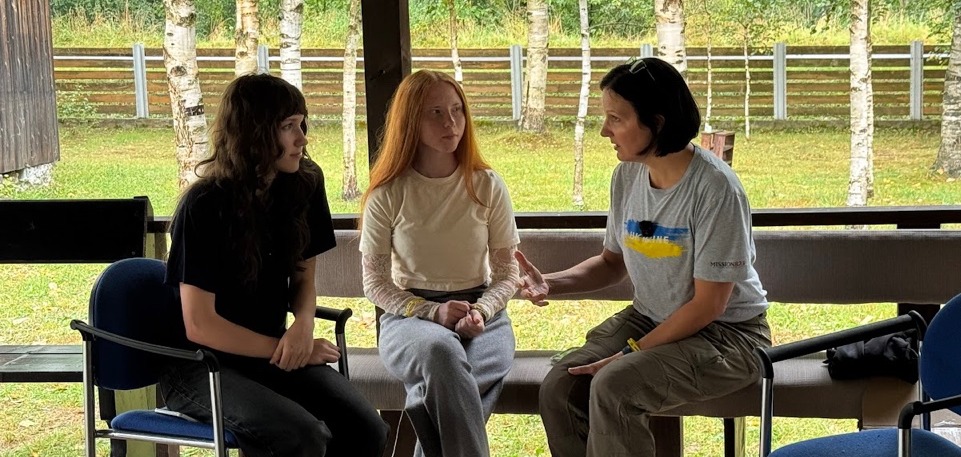
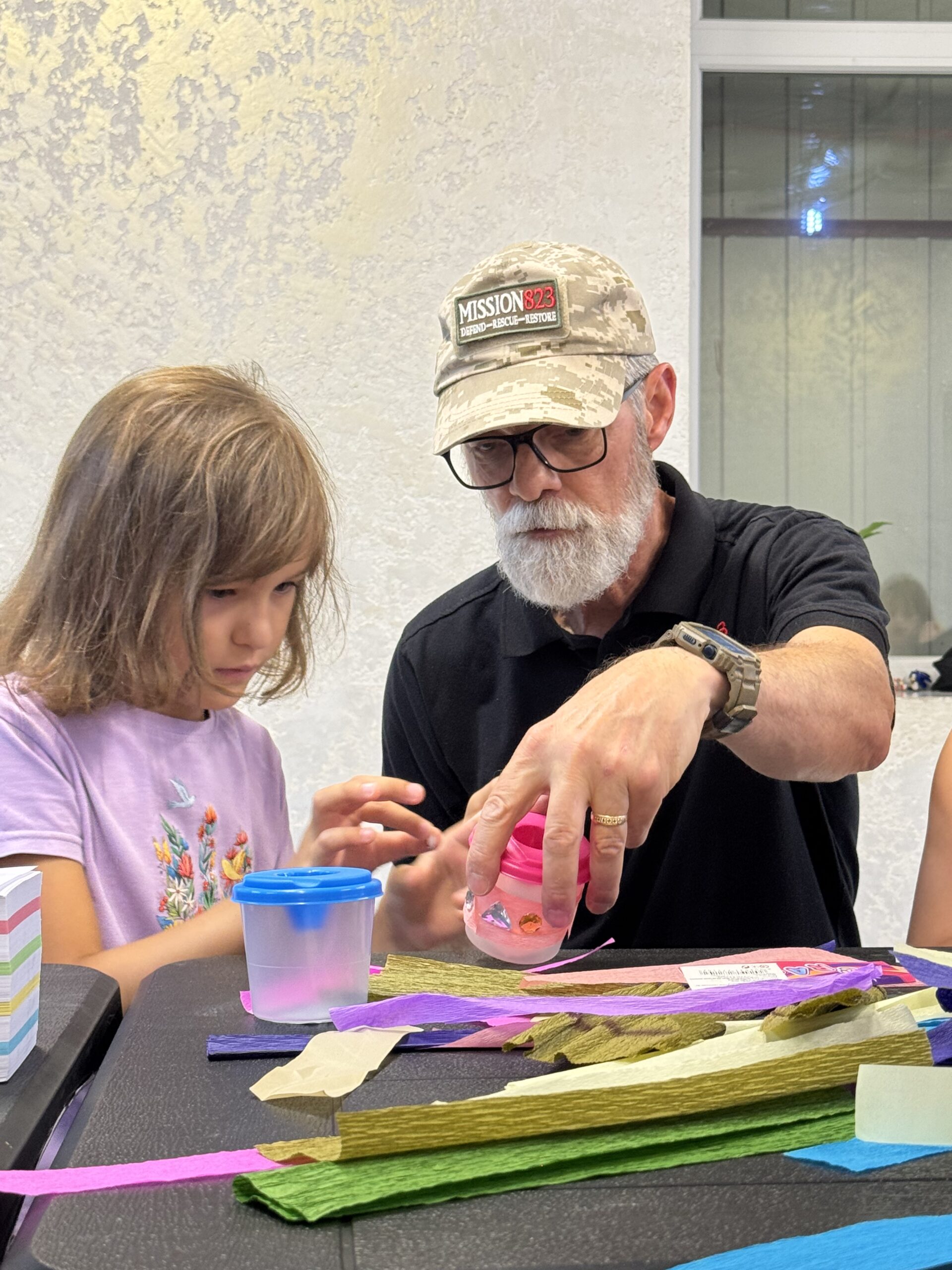
This is where many donors face a choice. Some prefer fast, visible interventions because they are easy to understand. A truck of aid feels tangible. And it is tangible. But long-term care can be just as urgent, even if it is less dramatic. Keeping a child in a safe family home, running a camp that brings healing and joy, or supporting caregivers who serve traumatized youth may not produce the same image as a one-time delivery, yet the impact can be deeper and more lasting.
The best giving does not chase visibility. It answers vulnerability.
What faith-rooted donors often ask
Many Christian donors want to serve with compassion without turning suffering into a slogan. That tension is healthy. People in crisis are not projects. They are neighbors bearing the weight of war, and they deserve both dignity and practical help.
Faith-rooted giving is strongest when it combines conviction with humility. It recognizes that prayer and provision belong together. It understands that generosity is not only about feeling moved, but about standing with the oppressed in ways that protect life, strengthen families, and defend children who cannot defend themselves.
That is one reason many supporters are drawn to ministries that combine humanitarian aid with ongoing child welfare and family support. The work reflects a fuller view of mercy. It does not stop at survival. It presses toward healing.
Where your gift can have tangible impact
When donors think about impact, they often ask whether a smaller gift matters. It does, especially when it is part of a clear and faithful system of care. One gift may help provide emergency food. Another may support a child in a family home. Another may help fund trauma care, youth outreach, transportation, or supplies for families under pressure.
The point is not that every dollar does everything. The point is that targeted generosity, placed in trustworthy hands, becomes part of a real response to real suffering.
This is especially true in organizations that stay close to the communities they serve. Proximity changes how help works. It allows teams to see evolving needs, identify risks earlier, and respond with more precision. In war, that matters. Conditions shift quickly. Families who seemed stable one month may face sudden displacement the next.
Mission 823 operates in that space where urgent relief and long-term restoration meet. For donors who care about vulnerable children and families in Ukraine, that kind of integrated approach is not a side issue. It is often the difference between temporary assistance and lasting hope.
Giving with urgency, not panic
Urgency is right. Panic is not. Wise generosity is steady, prayerful, and informed.
That means resisting two common mistakes. The first is waiting too long because you want perfect certainty. In a war setting, perfect certainty rarely comes. The second is giving impulsively without understanding what your donation supports. Compassion should move quickly, but it should not move blindly.
A better path is to choose a trusted mission, commit to it, and give in a way that matches the scale of the need and your own capacity. For some families, that may mean a one-time gift. For others, it may mean monthly support, a church offering, a business partnership, or a fundraising event that invites others into the mission.
Sustainable generosity is powerful because the needs are not one-time. Children still need care next month. Families still need support after media attention fades. Faithful donors help carry that burden over time.
Why partnership matters more than charity language
There is a reason strong ministries speak about partnership instead of just donations. Partnership recognizes relationship, responsibility, and shared mission. It tells the truth that supporters in the US are not rescuing Ukraine from a distance by themselves. They are standing alongside trusted leaders and caregivers who are already doing the work on the ground.
That posture changes how we give. It makes us more attentive, more humble, and more committed. It moves us from occasional sympathy to active participation.
And for the people receiving care, partnership can mean the difference between being seen as a burden and being treated as beloved. That matters profoundly when families have already endured fear, loss, and instability.
If you are considering Ukraine war relief donations, give where mercy is practical, accountability is clear, and children are not forgotten after the crisis moment passes. Give where relief protects today and restoration fights for tomorrow. Give in a way that says vulnerable lives are worth more than our passing concern – they are worth our continued yes.