When a child is forced from home by war, the need is never just food, transport, or temporary shelter. The deepest need is safety, steady care, and someone who refuses to look away. That is why christian charities helping Ukraine matter so much right now. At their best, they do more than respond to a crisis headline. They protect vulnerable children, strengthen families under pressure, and stand in the gap where trauma, displacement, and exploitation threaten to leave permanent scars.
For many American donors and church leaders, the question is not whether Ukraine still needs help. It does. The harder question is what kind of help truly changes lives. Not every form of aid does the same work. Some efforts are built for speed. Others are built for healing. The strongest Christian response usually requires both.
What Christian charities helping Ukraine actually do
Faith-based organizations serving Ukraine often carry two callings at once. The first is urgent relief – food, medicine, hygiene supplies, evacuation support, heating assistance, and practical help for families displaced by war. The second is long-term restoration – caring for traumatized children, supporting family-based care, offering counseling, creating safe community spaces, and reducing the risks that rise when families are desperate.
That second piece matters more than many people realize. In a war zone, vulnerability multiplies fast. Children who are displaced, separated from stable caregivers, or living under chronic stress face increased danger from neglect, abuse, and trafficking. A charity can hand out supplies and still miss the deeper emergency if it is not thinking about protection.
Christian organizations are often uniquely positioned here because local churches and faith networks can identify needs quickly, remain present after media attention fades, and build trust within communities. But faith language alone is not enough. Effective ministry in Ukraine needs real systems, strong local partnerships, child safeguarding, and the ability to keep serving when conditions change overnight.
Why faith-based aid matters in Ukraine
The value of Christian aid is not that it is more emotional or more visible. It is that it can be deeply relational. A faith-rooted response treats people as image-bearers, not projects. That changes how care is delivered. The Christian worldview sees God as sovereign, loving and just. Christianity reveals our purpose to honor Him and share His unconditional love in the same way that He has offered His grace to us as a gift.
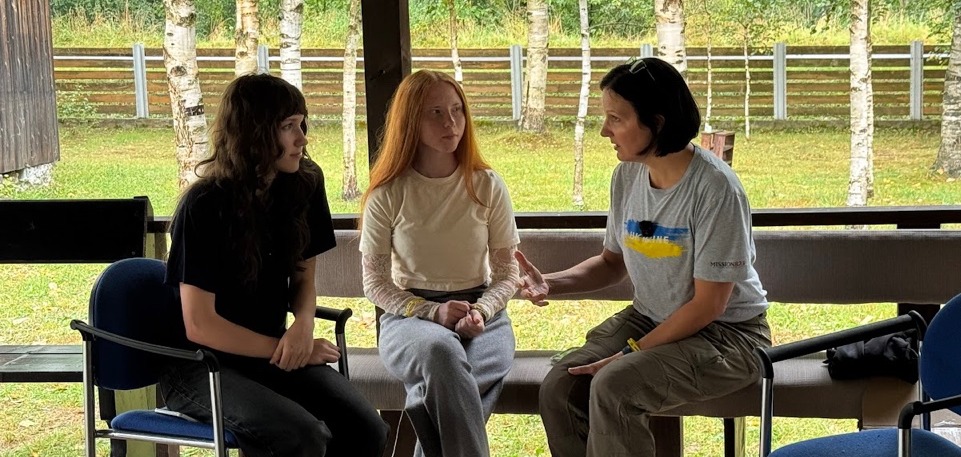
A family receiving groceries may also need prayer, trauma-informed support, and help navigating a future that no longer feels stable. A teenager affected by war may need a camp, a mentor, and a place to process grief. A child at risk of exploitation may need not only emergency rescue but also a long road of restoration. Christian charities helping Ukraine can meet these overlapping needs when they combine compassion with structure and ministry with accountability. Add to that the comfort that is found for today and for eternity and the peace that comes with that assurance that God sees, He hears, and He acts on our behalf and we find hope.
There is also a moral clarity in this work. Protecting children is not optional. Defending the vulnerable is not a side issue for the church. It is part of faithful obedience and compassionate service. For donors, volunteers, and ministry partners, supporting this work becomes more than generosity. It becomes participation in justice, mercy, and restoration.
What to look for in a trustworthy charity
If you want your giving to create direct, visible impact, discernment matters. A strong organization should be able to explain clearly who it serves, how it serves them, and why its model fits the realities on the ground.
Start with the people being helped. Does the charity focus on vulnerable children, displaced families, widows, frontline communities, or all of the above? Broad missions can be meaningful, but clarity matters. If everyone is the focus, accountability can become blurry.
Then look at the model. Is the organization only delivering short-term aid, or does it also address trauma, child welfare, and long-term stability? Emergency relief is vital, but in Ukraine the need did not end after the first wave of crisis. Families are carrying years of strain. Children are growing up inside that strain. The most effective ministries understand that survival and healing are connected.
Local partnership is another major sign of credibility. Organizations with trusted Ukrainian partners, or with an established in-country presence, often respond more intelligently than groups operating from a distance. They know local needs, changing risks, and community relationships. They can move quickly, but they can also stay.
It is also wise to ask harder questions. Does the ministry have safeguards for children? Can it explain how donations are used? Does it offer meaningful opportunities for churches, businesses, and volunteers to engage without turning service into optics? Real ministry is not about appearing active. It is about actually protecting people.
The difference between relief and restoration
Many donors naturally respond to visible needs first. A truck of food, winter supplies, or medical support feels concrete because it is concrete. Those gifts matter. They keep families alive, warm, and moving forward.
But restoration asks a deeper question: what happens after the box of aid is delivered?
A mother caring for children during war may need continued community support. A displaced child may need a safe home environment, education, mentorship, and trauma care. A teenager who has seen violence may need healthy routines, Christian community, and people who can help rebuild trust. Without that long view, emergency relief can become a series of isolated responses rather than a path toward healing.
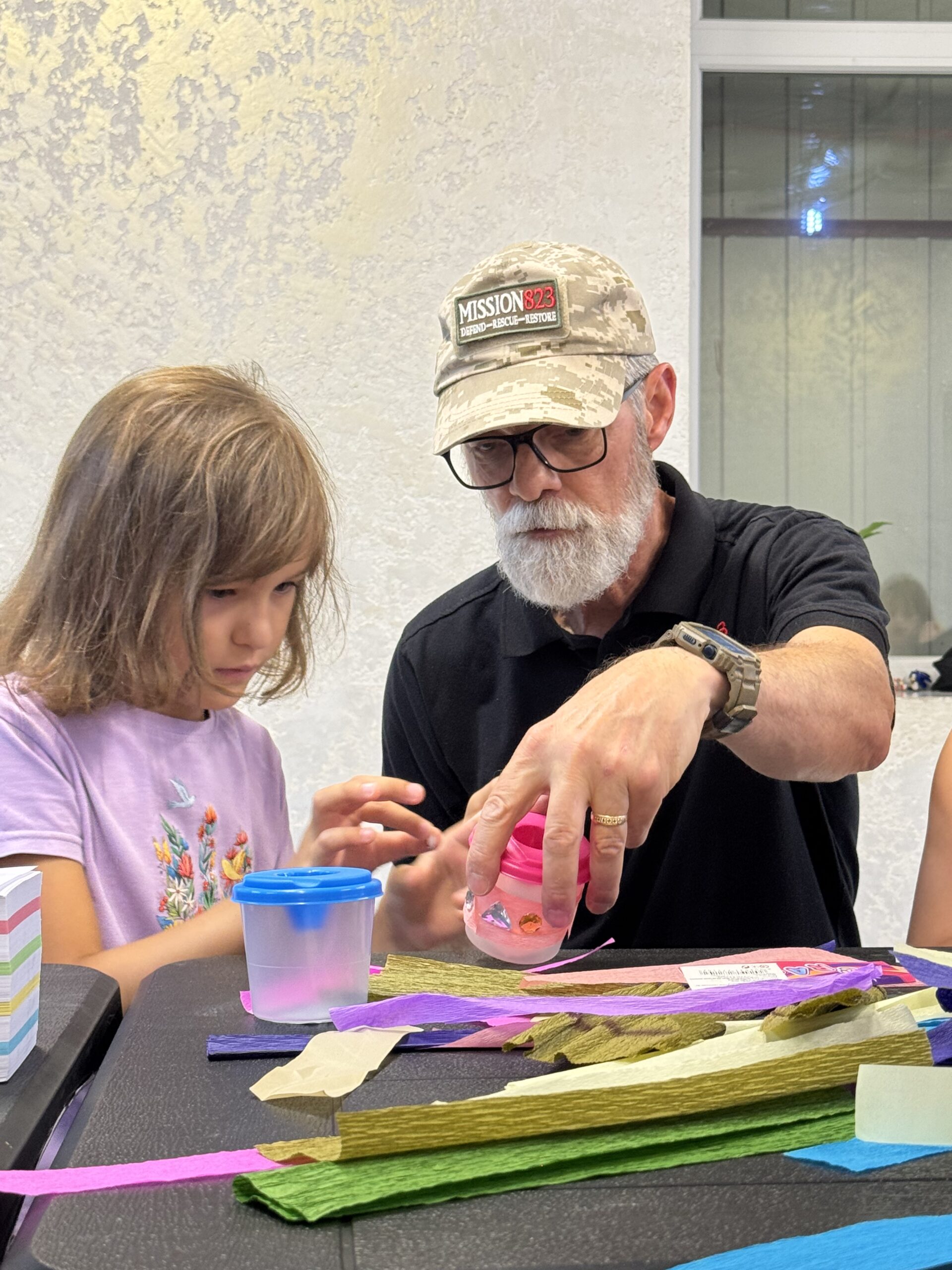
This is where some ministries stand apart. Organizations that combine humanitarian aid with family-based care, youth programs, crisis response, and anti-trafficking awareness are meeting the whole burden of war, not just the most visible part of it. One practical example is Mission 823, which serves vulnerable children and families in Ukraine through family homes, camps, humanitarian relief, and war-response efforts shaped by both compassion and protection.
That kind of integrated model is not always the easiest to explain in a fundraising headline, but it is often the most faithful to real life. People do not experience suffering in categories. Their needs overlap. The response should too.
How churches and donors can help wisely
For American supporters, the strongest response is usually not one-time emotion. It is committed partnership. A single gift can meet an urgent need, but ongoing support helps ministries plan, protect staff, care for children consistently, and respond when new crises hit. This is why prayerfully considering monthly financial partnerships are so powerful. Sustainable funding allows Mission 823 teams to provide ongoing care that leads to healing and restoration.
Churches have an especially powerful role. They can give financially, yes, but they can also mobilize prayer, host fundraising events, create long-term ministry partnerships, and send skilled volunteers when invited. Business leaders can underwrite projects, sponsor aid efforts, and use their networks to expand impact. Families can choose to give in a way that teaches children what it means to defend the vulnerable.
The key is to resist passive concern. Many people care about Ukraine. Fewer step into sacrificial action. Christian charity becomes strongest when compassion turns into sustained obedience.
There are trade-offs, of course. Some donors prefer large organizations because they appear more established. Others prefer smaller ministries because they feel closer to the work. It depends on what kind of impact you want to make and how transparent the organization is about results. Bigger is not always better. Smaller is not automatically more faithful. Trust should be built on clarity, integrity, and fruit.
Why this work still deserves attention
Ukraine is no longer new in the public mind, but it is still urgent for the families living through it. Children are still being displaced. Trauma is still accumulating. Risks linked to poverty, instability, and exploitation have not disappeared just because headlines have shifted.
That is why faithful support matters now as much as ever. Christian charities helping Ukraine are not simply filling a temporary gap. They are contending for the future of children who could otherwise be forgotten in the chaos of war. They are defending dignity where fear tries to rule. They are helping families endure what no family should have to face alone.
If you are a donor, pastor, volunteer, or business leader wondering whether your role matters, it does. Every act of faithful partnership can help place a child in safety, put resources into the hands of a struggling family, or strengthen the kind of ministry that stays when the cameras leave. The need is real, but so is the opportunity to stand on the side of rescue, healing, and hope.
‘Defend the poor and fatherless: Do justice to the afflicted and needy. Deliver the poor and needy: Rescue them out of the hand of the wicked. ‘
Psalm 82:3-4 #iam823