A child who has learned to sleep in a hallway because sirens may sound at night does not simply return to normal when the noise stops. War changes a child’s body, mind, and sense of safety. If we want to help traumatized kids after war, we have to think beyond emergency relief and ask what real healing requires.
For many children, trauma after war is not one event. It is a chain of losses – home, school, routine, trusted adults, even the belief that the world is predictable. Some have seen violence. Others have lived through displacement, separation, hunger, or constant fear. The wounds are not always visible, but they shape behavior, relationships, and development in ways that can last for years if no one intervenes with wisdom and consistency.
What trauma looks like in children after war
Trauma does not always look dramatic. Sometimes it looks like silence. Sometimes it looks like anger that seems too big for the moment. A child may cling to adults, withdraw from other children, struggle to sleep, stop speaking as much, or react strongly to loud sounds. Another child may seem unusually mature, as if they had to grow up too fast to survive.
Younger children often express trauma through behavior because they do not yet have the language to explain what they feel. They may regress, have accidents, fear separation, or replay frightening scenes in their play. Teenagers may become numb, reckless, isolated, or deeply hopeless. None of this means a child is broken beyond repair. It means their body and mind are trying to adapt to overwhelming stress.
That is why care after war cannot be reduced to food, shelter, and a few comforting words, though those matter deeply. Children need safe relationships, stable environments, and trauma-informed support over time. Quick fixes feel reassuring to adults, but healing rarely happens on a quick timeline.
How to help traumatized kids after war in ways that truly heal
The first need is safety, but safety is more than walls and beds. A child needs to know who is caring for them, what will happen next, and whether the adults around them can be trusted. Predictability matters because trauma teaches children that danger comes without warning. Consistent meals, regular sleep, familiar routines, and calm caregivers begin to tell a different story.
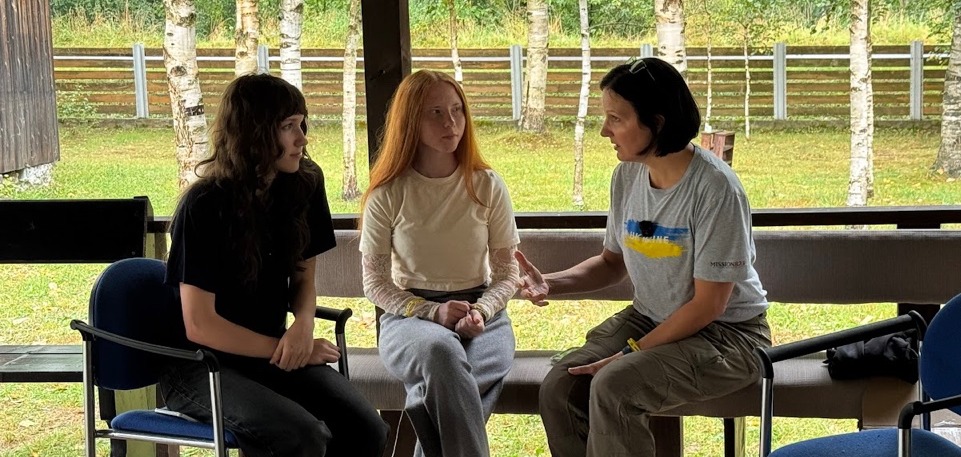
The second need is connection. Children heal in relationships. A loving adult who listens without forcing conversation can become a lifeline. This is especially important for children who have been displaced or separated from family members. They do not need adults who demand instant resilience. They need adults who remain present, patient, and steady when emotions surface in messy ways.
The third need is appropriate trauma care. Not every hurting child needs the same intervention. Some need structured play, supportive community, and stable caregiving. Others need trained mental health support because their symptoms are intense or persistent. There is no one-size-fits-all model here. The right response depends on the child’s age, what they have lived through, the support system around them, and whether they are still living under ongoing threat.
Faith-filled communities can play a powerful role, but they must do so carefully. Prayer, hope, Scripture, and loving presence can strengthen a child and the adults caring for them. Yet spiritual care should never replace trauma-informed practice. Children should not be pressured to speak, forgive instantly, or present a testimony of healing before they are ready. True compassion makes room for grief while holding onto hope.
The role of stable homes, camps, and community support
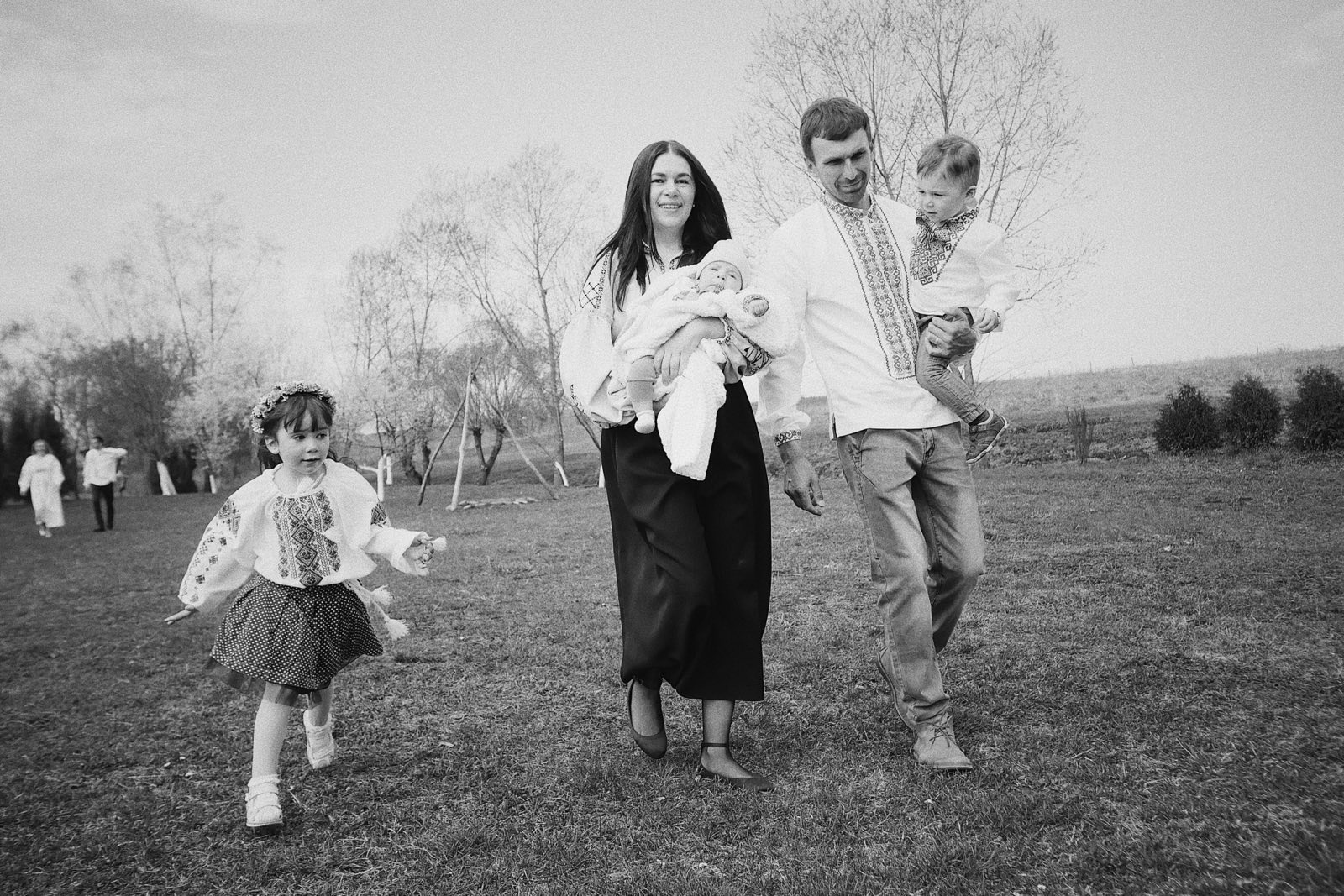
When children have survived war, the environment around them matters almost as much as the conversations they have. Stable homes can provide the daily rhythm that trauma disrupts. Family-style care, where children are known by name and loved consistently, often helps rebuild trust in ways institutions cannot easily replicate.
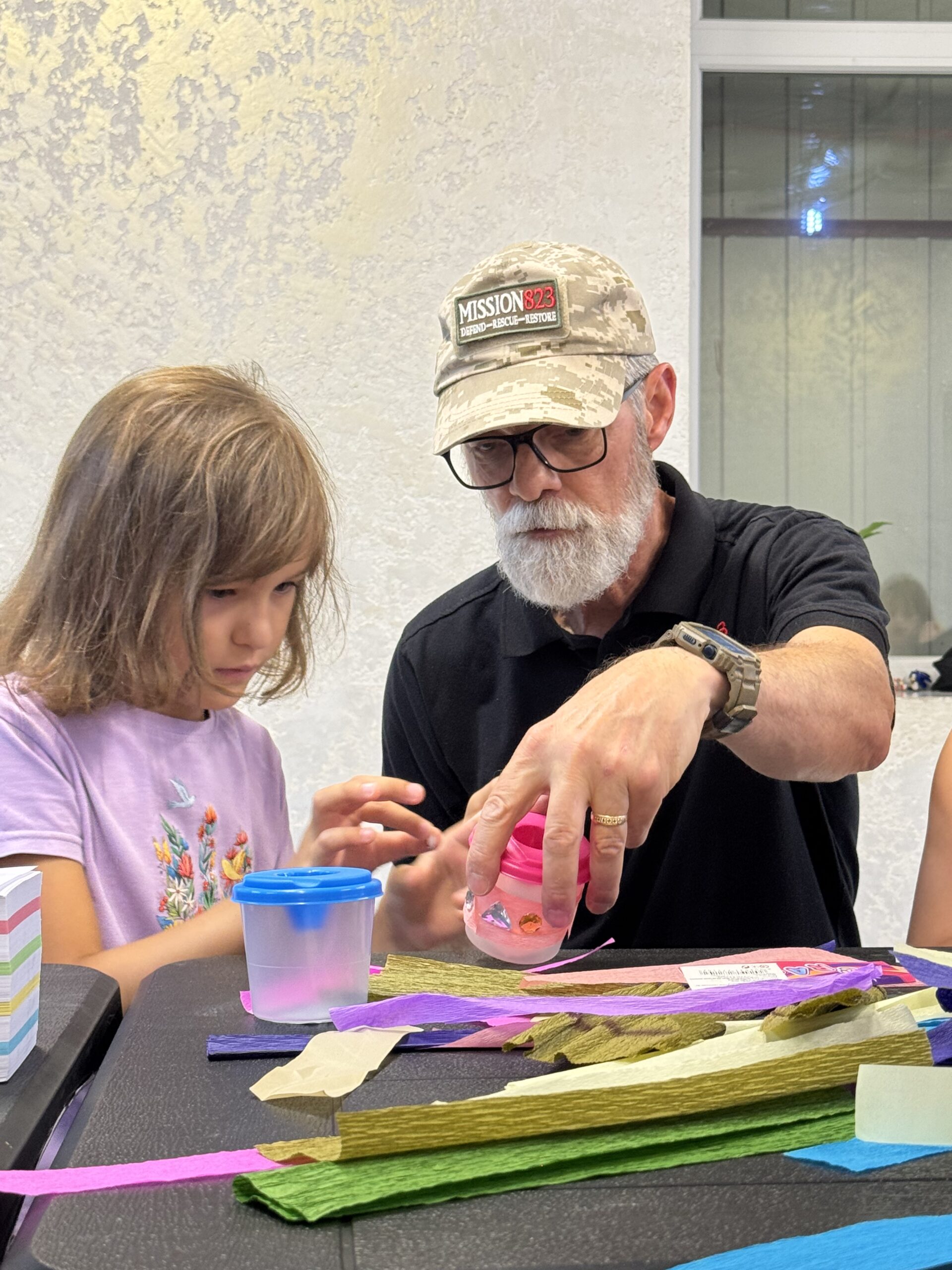
Camps and group programs can also be part of healing when they are well-led and trauma-aware. A camp cannot erase war, but it can give children moments of joy, friendship, play, worship, and rest. Those moments matter. They remind a child that fear is not the only thing they are allowed to feel. Still, camps work best as part of a larger support system, not as a stand-alone answer.
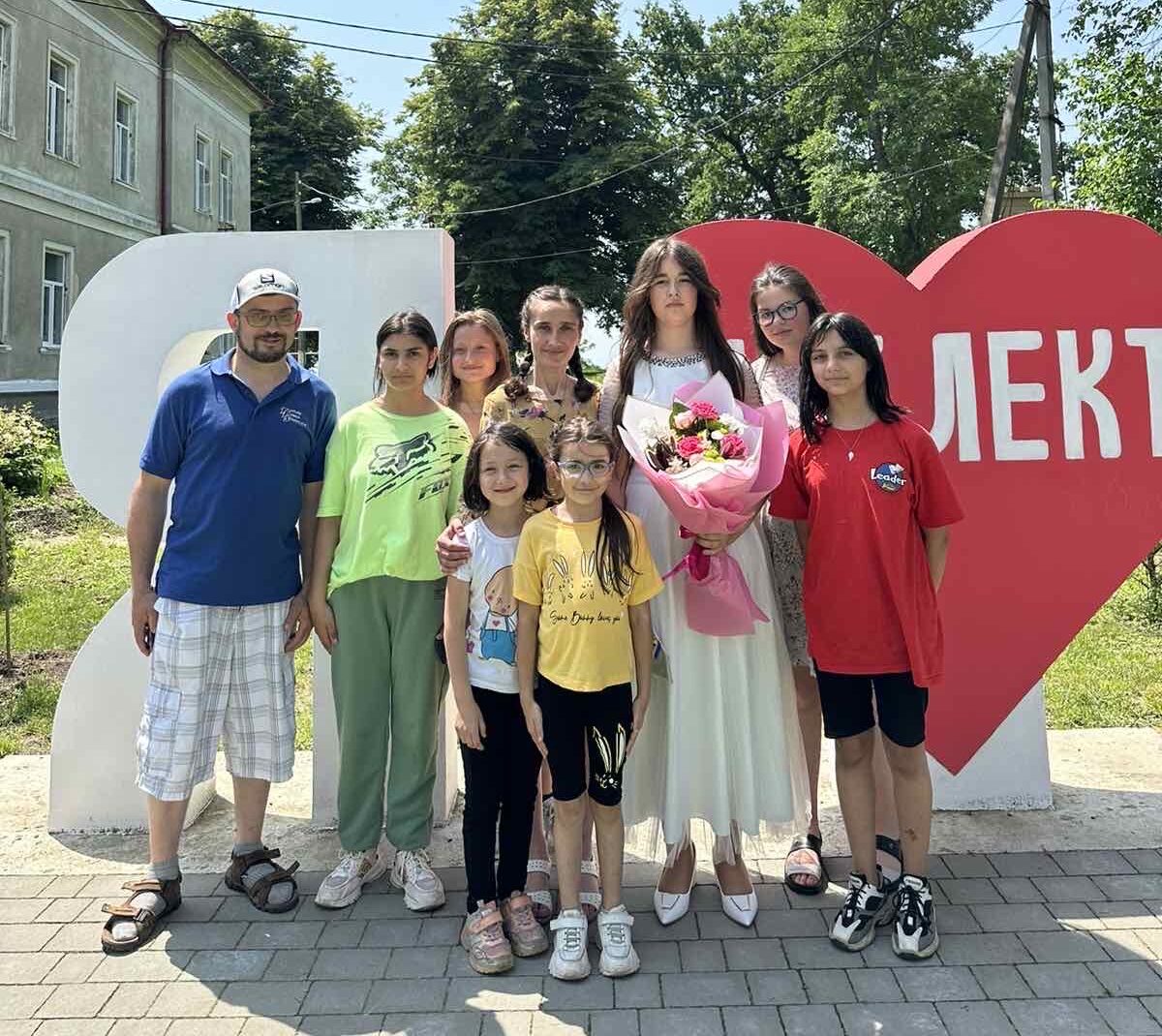
Community outreach is another essential layer. Children do not heal in isolation from the adults and neighborhoods around them. Parents, caregivers, teachers, pastors, and volunteers all need support if they are going to care well for wounded children. A child may receive excellent help in one setting, but if home remains chaotic or unsafe, progress can stall. That is why the strongest responses after war often combine child care, family support, practical aid, and local partnership.
What not to do when trying to help traumatized kids after war
Good intentions are not always enough. One common mistake is pushing children to talk before they are ready. Adults often want details because details help us understand the pain. But forced storytelling can overwhelm a child rather than relieve them. Trust should come before disclosure.
Another mistake is treating all children the same. Two children from the same town may respond very differently to the same event. One may want closeness. Another may need space. One may seem fine for months and then begin to struggle later. Trauma is not linear, and healing is not identical from child to child.
It is also a mistake to focus only on immediate rescue without planning for long-term care. Emergency response saves lives, but children do not stop needing support when the headlines fade. War trauma often becomes more visible after the crisis moment, when the child is finally safe enough for buried fear and grief to rise.
And we should be honest about this trade-off: large-scale aid can move fast, but personal, relational care moves deep. Both are needed. Food deliveries, transportation, shelter, and medicine are urgent. So are trusted caregivers, counseling access, educational support, and environments where children can rebuild a sense of belonging.
What meaningful support looks like for donors and churches
For supporters in the United States, helping children after war is not only about generosity. It is about backing the kind of care that actually restores lives. That means supporting efforts that pair urgent relief with long-term, child-centered healing.
A strong response usually includes safe housing, trauma-informed caregivers, opportunities for play and learning, family support when possible, and protection from exploitation. Children displaced by war can be at greater risk of abuse and trafficking, especially when families are desperate and systems are unstable. So real help must include protection, not just provision.
Churches and donors have a unique role here because they can sustain work that governments and short-term responses often cannot. They can fund family homes. They can support camps that offer emotional and spiritual care. They can equip local leaders, send volunteers with the right skills, and stand with ministries that remain present after the first wave of attention passes.
This is where partnership matters. Not every supporter is called to the front lines, but many are called to strengthen the people who are. Mission 823 serves in that space by coming alongside vulnerable and traumatized children in Ukraine through family care, camps, crisis response, and practical support that meets both urgent and long-term needs.
Why healing children after war is slow, holy work
There is no honest version of this conversation that promises easy outcomes. Some children recover quickly in stable, loving environments. Others carry deep fear for years. Progress may come in small signs – a full night of sleep, a laugh at camp, a child choosing to trust one adult, a teenager beginning to imagine a future again.
Those moments may look small from a distance, but they are not small to the child living them. They are evidence that trauma does not get the final word.
If we care about justice, we cannot look away once a child is out of immediate danger. To help traumatized kids after war is to defend their right to safety, belonging, and hope long after the bombing stops. It is patient work. It is costly work. And it is exactly the kind of work that asks us not just to feel compassion, but to become part of healing that lasts.