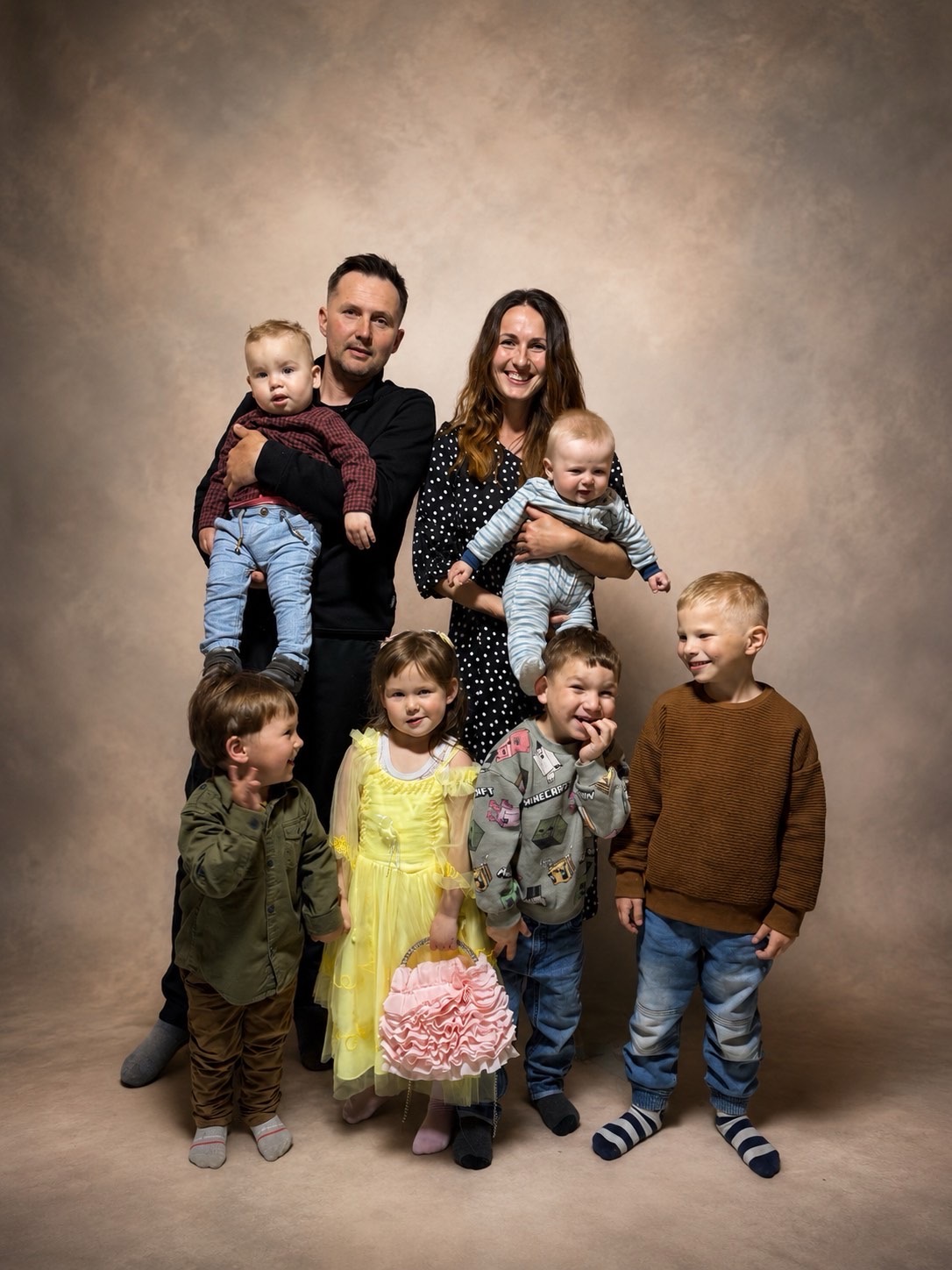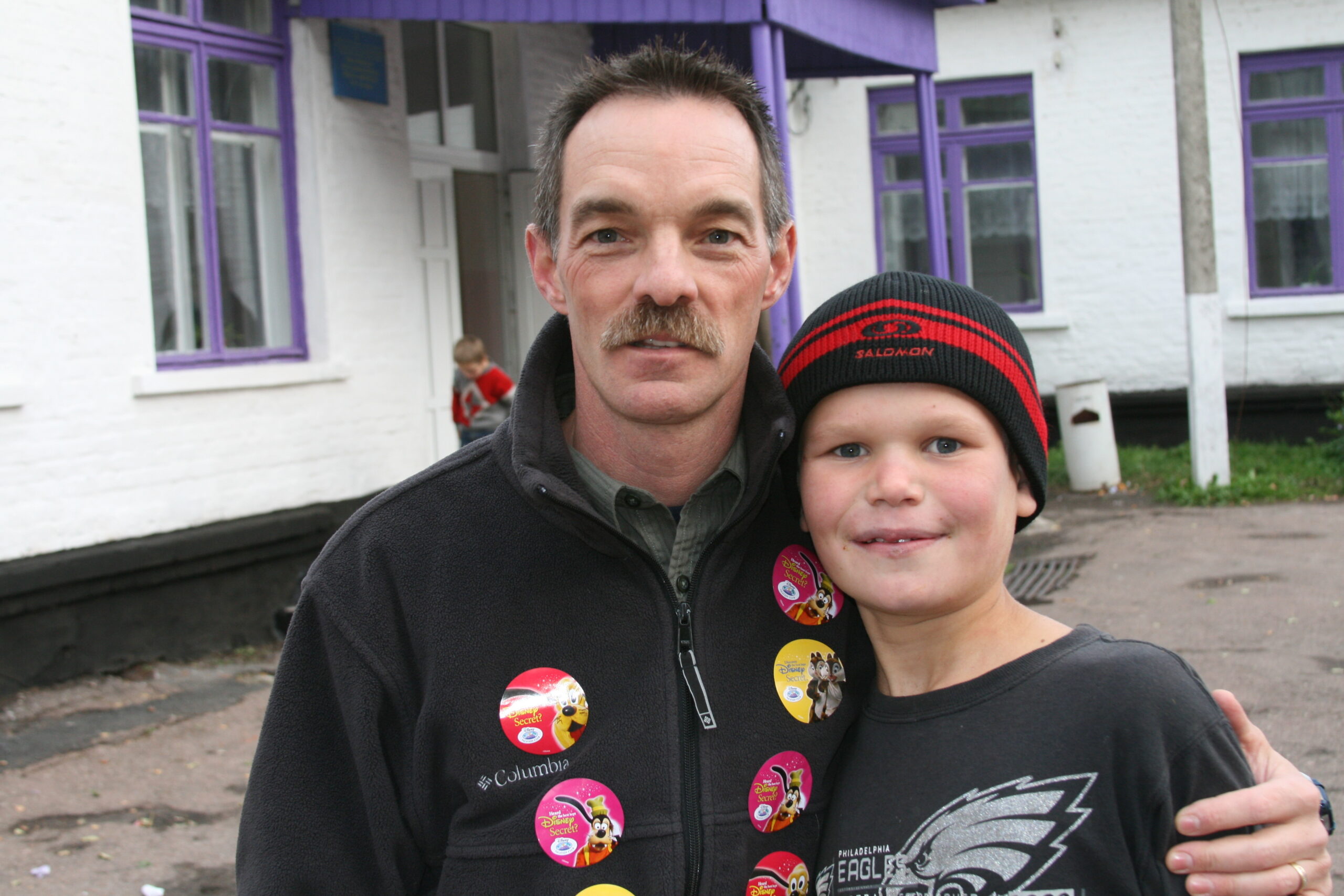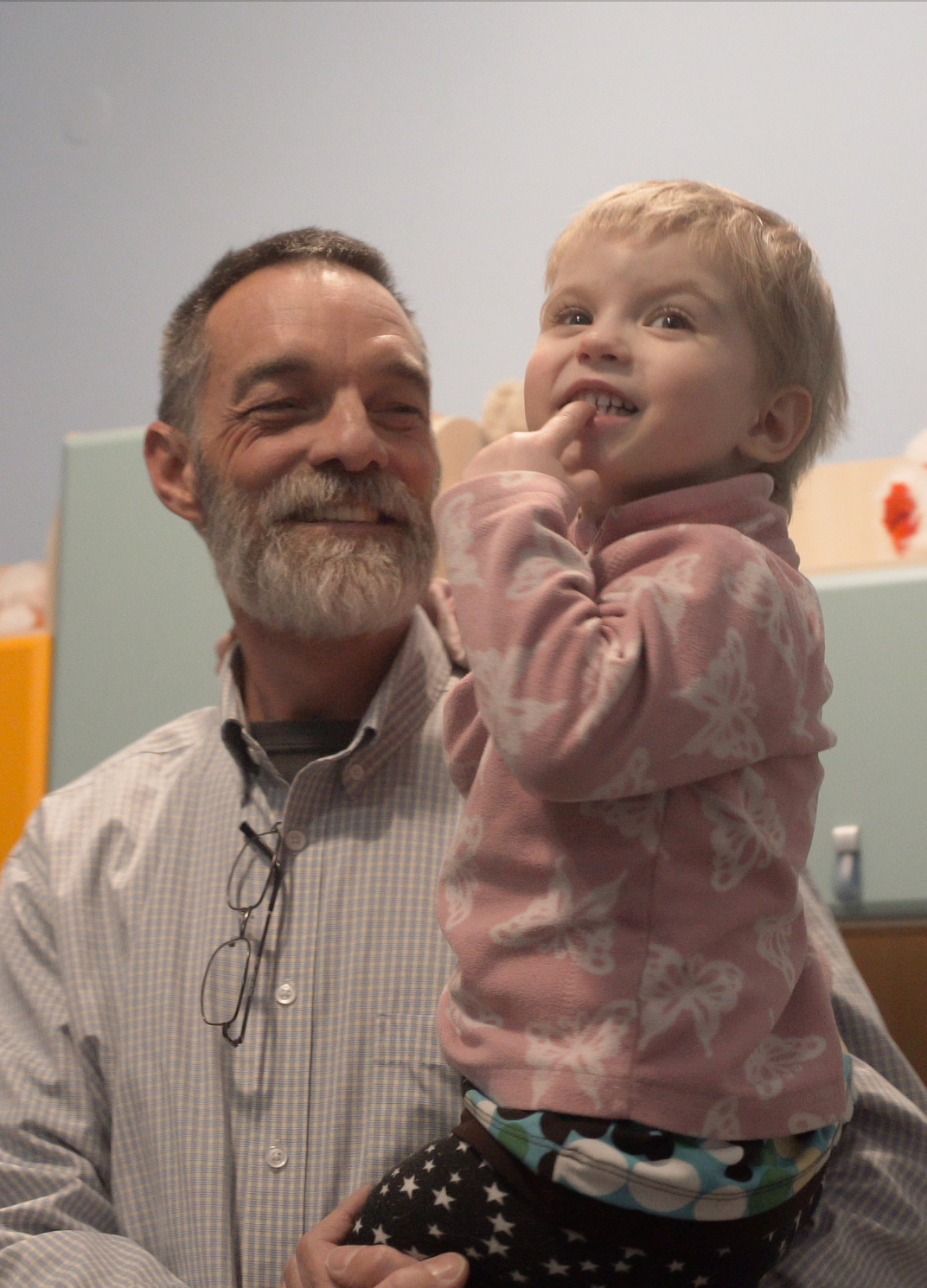
A family may leave home with one backpack, a few documents, and a child who has stopped asking when they can go back. For families forced from their communities by war, emergency relief for displaced families is not an internal statistic or newsbrief. It is the difference between a night of fear and a safe place to sleep, between an empty cupboard and a warm meal, between isolation and someone saying, “You are seen. We will help you take the next step.”
In Ukraine, displacement has disrupted far more than housing. It has interrupted school, medical care, income, friendships, routines, and the protective networks children need. Parents who were once providers may suddenly be navigating unfamiliar cities, crowded shelters, rising costs, and the emotional weight of keeping their children calm while carrying their own fear. Close to 14 million Ukrainians have been displaced by this war.
The first response must be urgent. But it must also protect dignity, strengthen families, and create a path beyond the first crisis.
What Emergency Relief for Displaced Families Must Provide
When a family arrives in a new place, needs do not wait for paperwork or long-term plans. Safe shelter, food, hygiene supplies, medication, warm clothing, and transportation can become immediate priorities. A family with children may also need diapers, formula, school materials, or a way to charge a phone and contact relatives.
These practical items matter because they restore a measure of stability when everything feels uncertain. Relief is not merely a box of supplies. It tells a mother that her children will eat tonight. It gives a father the ability to keep searching for work. It gives a child a blanket, clean clothes, and a small piece of normal life in a moment that has been anything but normal.
Yet effective relief goes further than distribution. Displaced families need clear information about local services, legal documents, medical care, education, and safe housing options. They need trusted people who can help them understand what comes next without taking advantage of their vulnerability.
Safety Is Part of Every Delivery
Displacement creates conditions that traffickers and other exploiters know how to target. Children separated from relatives, teenagers looking for work, and parents desperate for housing may be offered help that comes with hidden danger. That is why responsible humanitarian work includes protection alongside food and shelter.
Safe relief efforts pay attention to who is receiving help, whether children are accompanied and cared for, and whether families have access to trustworthy referrals. They avoid creating unnecessary exposure or forcing people to share painful details in public. They recognize that a crisis can make a person vulnerable even when no injury is visible.
For children, safety also means being able to play, learn, and speak with caring adults. Trauma often appears through silence, anger, sleep problems, withdrawal, or behavior that adults misunderstand. A child does not need to explain every experience before receiving patience and support.
Relief Must Make Room for Healing
A bag of groceries can address hunger. It cannot by itself heal the fear of sirens, the grief of leaving home, or the confusion of a child who has lost contact with a parent. Families need relief that sees the whole person.
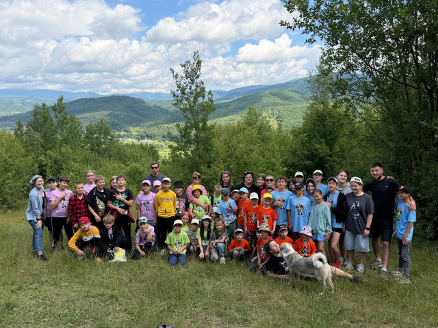
Trauma-informed care begins with consistency. It may look like a familiar face at a family center, a safe camp experience, a counselor who listens without pressure, or a volunteer who remembers a child’s name. It includes calm spaces, routines, age-appropriate activities, and opportunities for parents to regain confidence in caring for their children.
Faith-rooted compassion has a meaningful place here. It does not minimize pain with easy answers. It stands beside families in the pain, offers prayer when welcomed, and acts on the conviction that every child carries God-given worth. Hope becomes credible when it is paired with practical care: food on the table, a safe bed, a trusted caregiver, and a community willing to stay present.
The pace of recovery depends on the family. Some need immediate material support and can soon reestablish routines. Others have endured repeated displacement, loss, injury, or separation and may need ongoing care. Treating every family exactly the same may be efficient on paper, but it can miss what people actually need.
Why Local Relationships Change the Response
During a fast-moving crisis like the one ongoing in Ukraine, large-scale aid is essential. It can move major resources, purchase supplies, and meet broad needs. At the same time, local teams often know which apartment buildings are housing newly displaced families, which villages have been overlooked, and which parents are too ashamed or frightened to ask for help.
That local knowledge helps aid reach people with greater care and accountability. It also allows relief workers to notice changes. Is a family still unable to afford rent? Has a child stopped attending school? Is an elderly caregiver trying to raise grandchildren alone? The answers shape what assistance should look like next.
Mission 823 works through an all-Ukrainian team and a registered Ukrainian charitable foundation, with oversight from our 501(c)3 nonprofit stateside, pairing urgent aid with long-term care for vulnerable children and families. This local presence matters because trust is built over time, before the emergency delivery and after the immediate crisis has passed.
Accountable relief also requires stewardship. Donors deserve to know that funds are directed toward real needs, that projects are verified, and that care does not end at a photo opportunity. Transparency is not a bureaucratic extra. It is one way organizations honor both the families receiving help and the people who give sacrificially to support them.
The Bridge From Survival to Stability
Emergency aid should never leave families stranded at the point of survival. Once urgent needs are met, the next questions become more complex: Can the family remain safely housed? Will children return to learning? Can parents find work or receive support while caring for young children? What happens when winter comes, or when another move becomes necessary?
The strongest response builds a bridge toward stability. That might include family-based care, youth programs, counseling, education support, transportation, home repairs, or help connecting with local services. It may also mean strengthening the community around a family so that parents are not carrying the entire burden alone.
There are trade-offs. A one-time emergency gift can meet a specific, urgent need quickly. Monthly support makes it possible for trusted teams to plan, respond, and walk with families through the longer recovery that headlines often miss. Both matter. The need is not only for moments of rescue, but for faithful presence after the first emergency has faded from view.
How Supporters Can Respond With Purpose
For American donors, churches, businesses, and service-minded families, the distance between the United States and Ukraine can make the crisis feel overwhelming. But meaningful action does not require pretending you can solve everything alone. It requires choosing a trustworthy pathway to stand with people whose choices have been taken from them, one child, one family at a time.
Financial gifts can provide urgently needed food, hygiene items, shelter support, and care for children affected by displacement. Church communities can organize a focused giving effort, pray specifically for families and frontline workers, or build a lasting partnership around a pressing need. Businesses can invite employees and customers to participate in a project that brings direct help to families in crisis.
Those with practical skills can also serve through carefully organized opportunities when appropriate. Medical professionals, teachers, camp counselors, builders, and ministry leaders each bring gifts that can strengthen a response. The right role depends on current conditions, language needs, security, and the leadership of local partners. A willingness to serve is valuable, but humility and coordination make service truly helpful.
When you choose to support displaced families, you are not giving to a distant problem. You are helping a parent protect a child, helping a young person resist exploitation, and helping a family believe that loss will not have the final word. You’re helping a neighbor in the truest sense of the word. Let compassion move beyond concern: stand with those uprooted by war, and help make safety, healing, and hope possible where they are needed most.