Family makes the difference. A child who has lost safety does not only need a bed, a meal, or a school enrollment. They need adults who show up again tomorrow. They need a place where their name is known, their fear is taken seriously, and their future is not treated as an afterthought. This guide to family based care explains why loving, stable homes are among the strongest responses for children facing neglect, trauma, displacement, or separation from family.
For children affected by war and crisis, the need can feel overwhelming. But care should never become impersonal just because the need is large. Family-based care keeps the child at the center, protecting both their practical needs and their God-given dignity. Our approach is one child at a time, one family at a time.
What Family-Based Care Means
Family-based care is an approach that helps children grow up in safe, committed family settings rather than in large residential institutions. It can include reunification with a child’s parents when it is safe, care by relatives, foster care, adoption, or a family home where consistent parental figures care for a small number of children over time.
The goal is not simply to find a roof for a child. The goal is belonging. Children need ordinary, repeated experiences that build trust: shared meals, rides to school, bedtime routines, comfort after a nightmare, guidance through conflict, and adults who celebrate progress without withdrawing love when behavior is hard.
This does not mean every child can immediately return to their family of origin. Some homes are unsafe because of violence, addiction, abandonment, exploitation, or severe instability. In those circumstances, protecting a child may require temporary or long-term alternative care. Family-based care recognizes that safety comes first while refusing to accept isolation as a child’s permanent future. We were created for family.
Why Stable Families Help Children Heal
Trauma changes how a child sees the world. A child who has been neglected may expect needs to go unmet. A child who has been displaced may panic when routines change. A child exposed to violence may react with anger, withdrawal, or behaviors adults find difficult to understand. These are self defense and survival mechanisms, not evidence of a spoiled or entitled child.
A stable family setting cannot erase what happened. It can, however, create the conditions for healing. Consistent caregivers help children learn that adults can be trusted. Predictable routines reduce the stress of constant uncertainty. Healthy boundaries teach that protection and love belong together.
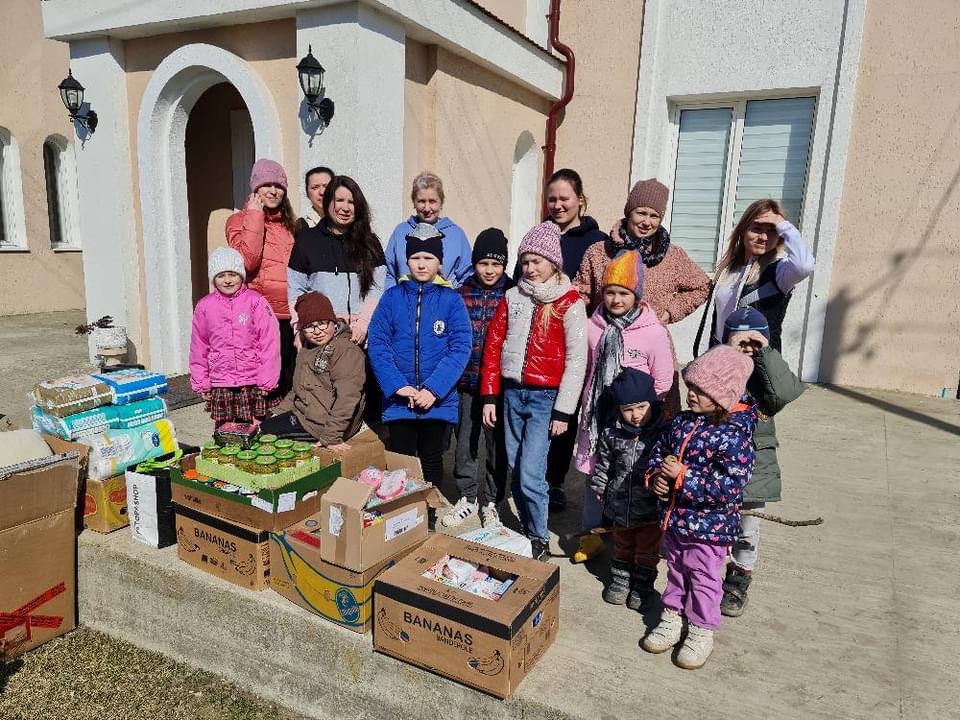
This is especially significant in Ukraine, where many children and families have endured disruption, loss, displacement, and the ongoing pressure of war. Emergency aid matters deeply. Food, shelter, medical support, and safe transportation can save lives. Yet recovery also requires relationships that last beyond the immediate crisis.
A family home gives children room to be more than a case number or a crisis story. They can attend school, form friendships, develop interests, participate in a faith community, and imagine adulthood with hope. Those ordinary parts of childhood are not small things. They are part of restoration.
A Guide to Family-Based Care That Puts Safety First
Compassion without safeguards can unintentionally place children at greater risk. Healthy family-based care is not built on good intentions alone. It requires careful assessment, trained caregivers, reliable oversight, and a commitment to listen to each child.
Safe reunification when possible
Whenever it is safe and in a child’s best interest, strengthening the family of origin should be considered. Parents may need support with housing, employment, counseling, parenting skills, addiction recovery, or access to basic necessities. Keeping a family together can be a powerful outcome, but reunification should never be rushed to satisfy a program goal or adult preference.
The central question is straightforward: Is this child genuinely safe, cared for, and able to thrive here? If the answer is not yet yes, continued support and alternative care may be needed.
Caregivers who are prepared for trauma
Trauma-informed caregivers do not excuse harmful behavior, but they look beneath it. Instead of asking, “What is wrong with this child?” they ask, “What has this child experienced, and what do they need to feel safe?”
That shift changes care. A child who hoards food may need reassurance that meals will continue. A child who pushes adults away may be testing whether love is real. Clear rules still matter, but correction should be patient, consistent, and free from humiliation or fear.
Small homes and lasting relationships
Large institutions can struggle to provide the individual attention children need. When too many children depend on too few adults, care often becomes structured around schedules and management rather than attachment and belonging.
Small family homes are not automatically healthy just because they are smaller. Quality depends on committed caregivers, appropriate household size, professional support, and long-term accountability. But when these pieces are present, children have a greater opportunity to be seen, known, and nurtured as individuals.
Accountability that protects children
Any organization serving vulnerable children must welcome scrutiny. Child protection policies, background checks, caregiver training, financial transparency, regular reporting, and outside verification are not administrative extras. They are part of defending children from further harm.
Supporters should feel free to ask hard questions. How are children referred into care? Who monitors safety? How are concerns reported? What support do caregivers receive? How are funds tracked? A trustworthy ministry does not avoid these questions. It answers them with clarity because children deserve nothing less.
What Family-Based Care Requires Beyond a Home
A loving household is the foundation, but it is not the entire response. Children who have endured trauma may need counseling, medical care, educational support, legal help, and mentoring. Caregivers also need rest, coaching, and a community that will stand with them when the work is difficult.
Family-based care works best when it connects a child to a wider circle of support. A teacher can notice learning gaps. A counselor can help a child process grief. A doctor can address untreated health needs. A church community can offer friendship and practical help without making a child feel like a project.
For teenagers, support must also include preparation for adulthood. A safe home matters, but so do life skills, education, vocational opportunities, and trustworthy adults who can help a young person make wise decisions. Youth who leave care without relationships or practical support can be especially vulnerable to homelessness, exploitation, and trafficking.
That is why long-term care matters. A child does not stop needing family because they reach a certain birthday.
How Supporters Can Strengthen Family-Based Care
For donors, churches, businesses, and volunteers, the most meaningful question is not simply, “How can we help?” It is, “How can we help in a way that protects dignity and creates lasting stability?”
Financial partnership can provide food, housing, utilities, counseling, education, and emergency support that keeps a family home strong. Monthly giving is particularly valuable because caregivers cannot plan faithful, consistent care around uncertain funding. Regular support helps make room for the unglamorous but essential needs of daily life.
Churches can become faithful advocates by praying, giving, hosting awareness events, and inviting their members to see vulnerable children as neighbors worth defending. In 2026, the word “neighbors” has no geographical limitations. Business leaders can sponsor practical needs, encourage employee giving, or create fundraising partnerships that turn professional networks into direct care for children.
Volunteers can also serve when their skills meet real needs and their involvement is responsibly coordinated. Teachers, medical professionals, counselors, construction workers, camp counselors, and ministry teams can bring meaningful support. Still, short-term service should strengthen local caregivers and Ukrainian-led work, not disrupt children’s routines or create relationships that disappear as quickly as they began.
Mission 823 works through a long-standing Ukrainian presence and an all-national Ukrainian team to connect urgent relief with the steady, relational work of restoring children and families. That local leadership matters. Those closest to the community are best positioned to understand its language, needs, risks, and opportunities for lasting care.
Choose Faithful Action Over Distant Concern
Family-based care is not a quick fix, and it is not sentimental charity. It is a committed response to the truth that children deserve safety, attachment, and a future. It asks adults to stay present when healing is slow, to protect children when systems fail, and to invest in care that outlasts the emergency headline.
When you choose to give, partner, pray, or serve with care and accountability, you help make room for a child to experience something trauma tried to steal: the steady confidence that they are known, protected, and deeply worth fighting for. You give a child their childhood back.